

When Morgan McSweeney concluded his evidence on Tuesday to the Foreign Affairs Select Committee about the Mandelson affair, a senior Labour figure remarked: ‘What really did we learn from all this? That Keir made a bad decision, wants someone else to blame and didn’t really know what was going on in his own government. Fancy that!’
The fact that 14 Labour MPs voted to refer the Prime Minister to the Privileges Committee (the body which forced Boris Johnson from the political stage) – and a total of 53 recorded no vote in his defense – is far from a ringing endorsement of his leadership. But the significance of the Mandelson hearings has been misunderstood. We are at the stage of the Starmer premiership where the ship has scraped the iceberg and people are enjoying the distraction of watching McSweeney, Emily Thornberry and Olly Robbins kicking ice around the deck while the critical things are happening unseen below the waterline.
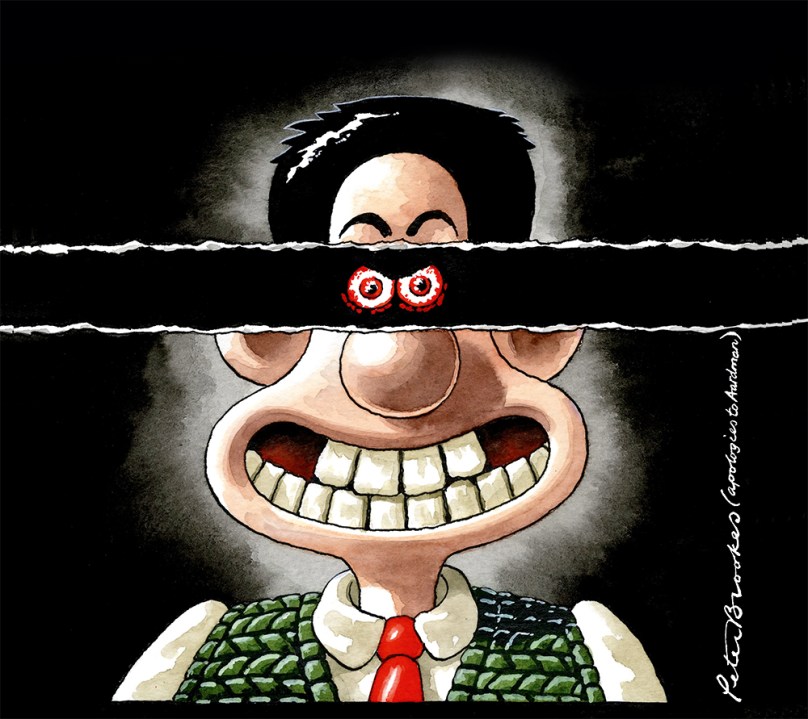
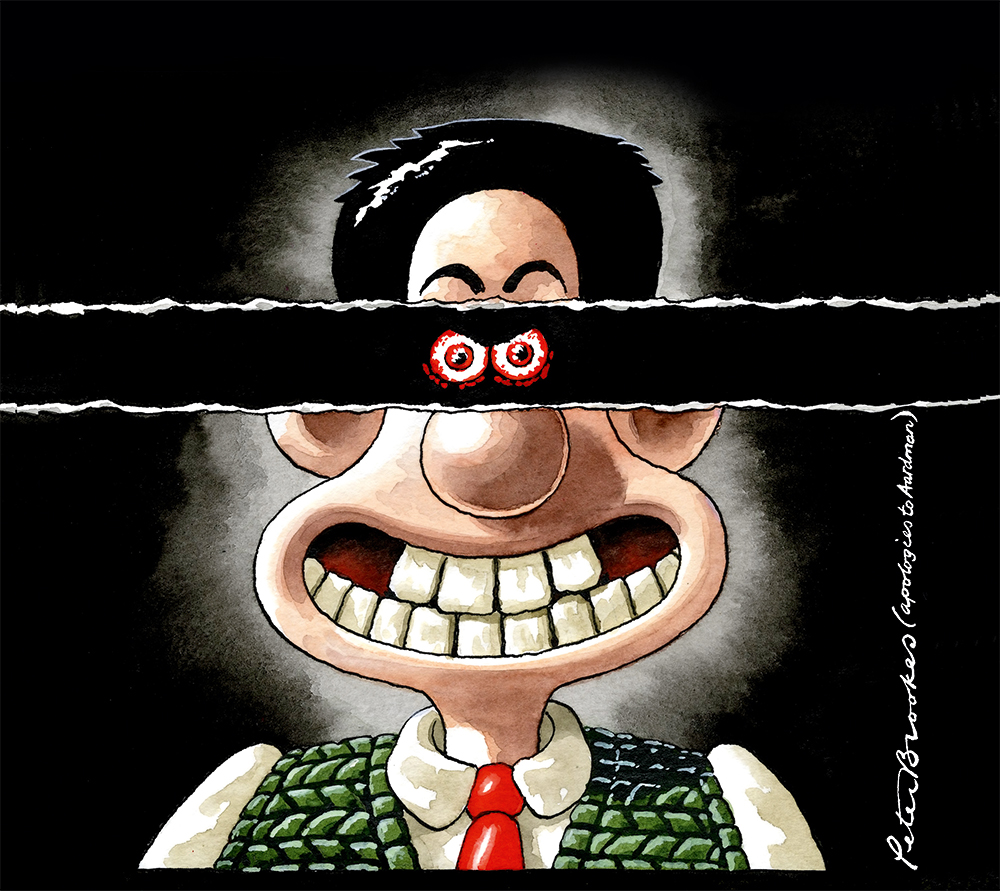
The most important conversations about Labour’s future have been taking place behind the scenes between the three leaders of the party’s soft left. It would be stretching things to say that Andy Burnham, Angela Rayner and Ed Miliband are plotting together to remove the PM. But it is true that they are quietly preparing for life after Starmer. Their conclusions will shape Labour’s direction, even if the rudderless helmsman remains.
The mantle of Crassus – the money man – has settled on Miliband’s shoulders
‘There have been, for over six months, discussions between Ed, Angela and Andy about policy and the future of government,’ a source familiar with the conversations says. ‘This has been going on since the autumn and there’s a greater degree of alignment between them than is commonly assumed.’ An MP confirms: ‘They’re talking, all of them, all the time.’
In this re-creation of the Roman Triumvirate, the mantle of Crassus – the money man – has settled on Miliband’s shoulders. The Energy Secretary wants to be chancellor. Those involved in the discussions believe that, as a former party leader, he would have the credibility to reassure the markets. They will build the case that Miliband is a longstanding advocate of welfare reform, built on the principle that work must pay – rather than simply as an exercise in cost–cutting, which sank Starmer and Rachel Reeves last spring.
‘They think Ed can be chancellor,’ a Labour source says. ‘He wanted the crown jewel of the 2010 manifesto to be the “Better Off in Work” guarantee – that work would always not only pay more than welfare, but pay much more than welfare. That tells you about where Ed comes from.’ Miliband put Maurice Glasman, the Blue Labour academic, in the Lords ‘because Maurice believes the Labour party is meant to be the party of work’.
The source adds: ‘Nixon can go to China. You need the soft left to cut welfare. You don’t need Pat McFadden or Liz Kendall to cut welfare. That is not going to sell it to the party.’
Allies also claim Miliband has tamed his net-zero zealotry. ‘Ed does not actually get the credit he deserves for how much of a pivot he has made to energy as a cost-of-living issue,’ a strategist says. ‘He will be pragmatic when it gets bills down.’
An ally of Burnham, who sees welfare reform as a part of a wider rewiring of the state, agrees: ‘There is a Labour argument about work and the value of work, the contribution of work that has within it radical reform of the state, including of welfare.’ Burnham is also studying ideas like turning the royal estate into a sovereign wealth fund which would own all of Britain’s natural resources, from water to oil.
An MP close to Burnham understands that he too ‘will need to calm the markets’ after his incautious remarks bemoaning the power of bond traders before last year’s party conference. ‘Andy has got to find a chancellor who will say things that retain the confidence of the bond market when doing radical things.’ Even Rayner used the phrase ‘make work pay’ when promoting her employment rights package before the general election.
The second area where consensus has developed is around defense spending, where Starmer has failed to deliver the extra money that most people accept is needed. A senior civil servant says: ‘Rachel [Reeves] has said, “I’m happy to increase defense spending. I’ve got some conditions about the MoD becoming less wasteful.” But she has said to Keir: “You tell me where I’m taking the money from. You weave the political narrative, and it will be done.” But Keir can’t or won’t do that.’
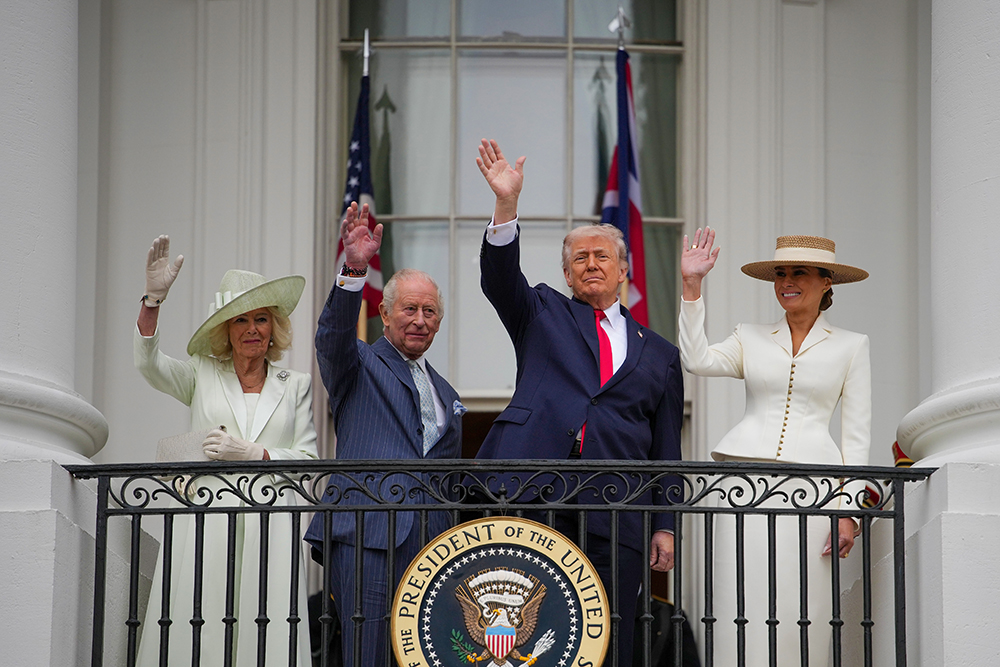
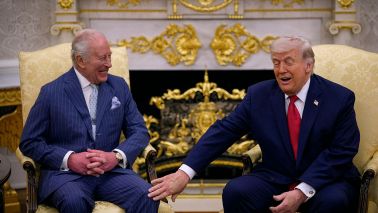
The triumvirate have concluded they can win the soft left over to the idea of extra money for the armed forces with the argument that Britain needs to escape the clutches of America. ‘On defense, the big thought is that Trump changes the game,’ a confidant says. ‘The independence from America argument is super attractive to the left. That is how you get defense spending up. Because we want to be not in Donald Trump’s pocket.’ Miliband, who taught at Harvard and supports the Boston Red Sox, retains an affection for the US, but ‘absolutely loathes Trump’.
Rayner is quietly meeting former military commanders to mug up on security issues. ‘She is making an impressive effort to learn,’ says one former military man. While Downing Street tells Labour MPs this is ‘no time for a novice’ on the world stage, Rayner ‘gets’ the motivating force of working-class patriotism far more than Starmer.
Rayner is also taking advice from recently departed officials on how to make Whitehall work and has engaged in a charm offensive in the City. This has involved Zoom meetings with the banks and blue-chip company bosses, one of which was arranged by BNP Paribas, as well as face-to-face meetings. Reviews are mixed. ‘She’s meeting some serious people and they seem impressed she is making the effort,’ says one businessman. A Labour adviser to City tycoons counters: ‘People on those calls with her said she was reading off a sheet about the fiscal rules. They saw it as a naked attempt to make them think she’s sensible but also just thought it was ridiculous.’
Nonetheless, there is the kernel here of a soft-left project which would seek to reassure the markets and make progress where Starmer has failed. The other way to stop a bond-market crisis would be to appoint a resolutely non-left chancellor.
Shabana Mahmood, the Home Secretary, is wildly unpopular with Labour MPs and members for her crackdown on immigration, but would immediately buy space for a reforming leader to operate without fear of a financial crisis. In recent months, three sources close to Mahmood have privately said that the best result for Labour would be Andy Burnham, the most popular of the triumvirate with the public, as prime minister with Mahmood as his chancellor.
Burnham and Mahmood speak, but not often, and the Manchester mayor is skeptical about the practicalities of her immigration reforms. Rayner has described the plans to extend the time it takes to win indefinite leave to remain from five years to ten as ‘un-British’, though her aides stress she confined her criticisms in a recent speech to the retrospective changes. Burnham has said Labour should ‘listen to concerns’ and has questioned whether chasing Reform votes is the right approach. Even Mahmood’s allies concede that she should have reined in her rhetoric to win more party support. However, the triumvirate can read the polls, and these show that two-thirds of Labour voters back tougher controls.
Labour MPs are obsessed with the threat of the Greens, but the local election results on 8 May are likely to reinforce the threat from Reform. One MP says: ‘I suspect Reform are going to do very well and it will be clear that they are more likely to cost us seats at the general election, which could refocus minds.’ Rob Hayward, the psephologist and peer, predicts Labour will lose 1,850 seats while Reform will gain 1,550, the Greens 500, independents 250 (including pro-Gaza Islamists) and the Lib Dems 150. In contrast, he predicts the Tories will lose only 600 seats.
If the triumvirate are to rule, the million-dollar question remains: who is Caesar and who is Pompey? Who will lead and who will (reluctantly) fold in behind them?
‘Andy is basically impossible to beat, but only if the timeline works’
There is no doubt that Burnham wants the top job. The issue is that he is not in parliament and if events move fast in May – and either Wes Streeting, the Health Secretary, or Rayner decides to strike – he might be stranded on the sidelines. To trigger a leader-ship challenge, 80 MPs would need to break cover and publicly support a specific named candidate. ‘I don’t think either Wes or Angela could click the go button yet,’ says a ministerial aide. ‘I think after 8 May maybe that changes. Andy is basically impossible to beat, but only if the timeline works.’
MPs in favor of a change in leadership argue that a contest should wait until the autumn to allow Burnham to return to the Commons in a by-election. Elections to the ruling National Executive Committee (NEC) in September will probably change the balance of power and make it easier for Burnham to be adopted as a candidate. Mahmood, as NEC chair, could also play a role in helping rather than hindering him.
Insiders say Rayner (whose tax affairs are likely to be resolved in the next fortnight) is being pulled in two directions by her supporters. One faction, said to include her chief advisor Nick Parrott, wants a deal with Burnham if he is an MP, with Rayner as deputy prime minister. The other, led by her partner, the former MP Sam Tarry, is adamant she should run for the top job whatever the circumstances. Friends of both say that the rumors of division between them is a ‘misunderstanding’.
However, an MP says: ‘[Rayner] is all over the place about whether she’s happy to make a deal with Andy for him to be the PM or about whether she would go for it more pro-actively sooner. She’s definitely got two camps and I think they’re sort of at war with each other. Sam is telling her: “Why should you let yet more men who are no better than you stomp all over you? This is your moment. Grab it.”’
On the Labour right and in No. 10 there is skepticism about the efforts of the triumvirate to develop an alternative policy platform. A Starmer ally says: ‘The only reason for a leadership challenge is to move the party further to the left. I just don’t buy this idea that they’re going to magically find a way to tackle welfare in a meaningful way, to spend enough on defense in a meaningful way. It’s all well and good to say “dignity of work”, but at some point you’ve got to decide who’s going to stop getting money. Like or dislike what Keir Starmer has done, he has a mandate, unlike a new leader – especially one who wasn’t even in parliament at the last election.’
The triumvirate might not yet have all the answers. But as a senior Whitehall source, concludes: ‘Right now, anyone who has a plan and can make decisions would be an improvement.’



Comments