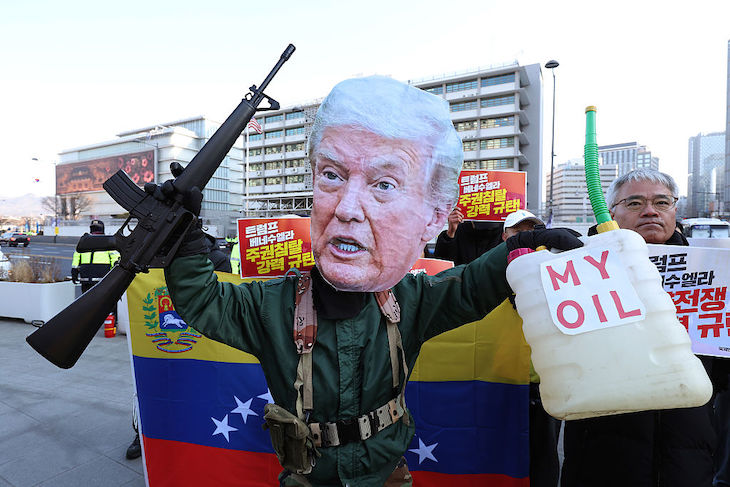
Donald Trump likes to keep both his friends and enemies guessing. It’s no surprise then that his plans for Venezuela’s future after his typically bold and reckless abduction of dictator Nicolas Maduro are a mystery.
Trump has awarded the plum of power in Caracas not to Machado but to Maduro’s vice-president and oil minister Delcy Rodriguez
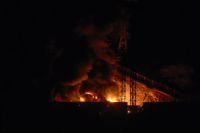
In his Mar-a-Largo news conference after the bombing and special forces raid on Caracas that caught the mustachioed Marxist napping, and delivered him to US custody, the US president begged as many questions as he answered. Looking and sounding understandably exhausted after watching the nighttime Operation Absolute Resolve unfold on a live feed in real time, and appearing every one of his 79 years, Trump made a series of confusing and contradictory statements about US policy for a post-Maduro future in Venezuela. It left America’s allies struggling to make sense of his intentions, and worried about where the erratic president will strike next.
Trump announced that the United States will ‘run’ the country without explaining how that will be possible without US boots on Venezuelan soil in an Iraq-style occupation. And he vowed to put American oil companies in to Venezuela to control its potentially enormous oil industry and take back assets allegedly ‘stolen’ from the US, without making clear how that squares with restoring Venezuela as an independent state.
Most opaque of all, instead of pledging to return power to the conservative opposition which won elections in 2024 by a landslide – only to see Maduro rig the result in his favour – the president appears ready to work with the ousted leader’s corrupt and criminal communist regime, which he has accused of being a narco-terrorist front in league with Iran and China. Trump even went out of his way to diss Venezuela’s courageous exiled opposition leader Maria Corina Machado who won last year’s Nobel Peace Prize, (which Trump thought should rightfully have been his for negotiating the Gaza ceasefire). Although patronising Machado as a ‘nice woman’, he claimed, without any evidence, that she had little support within Venezuela.
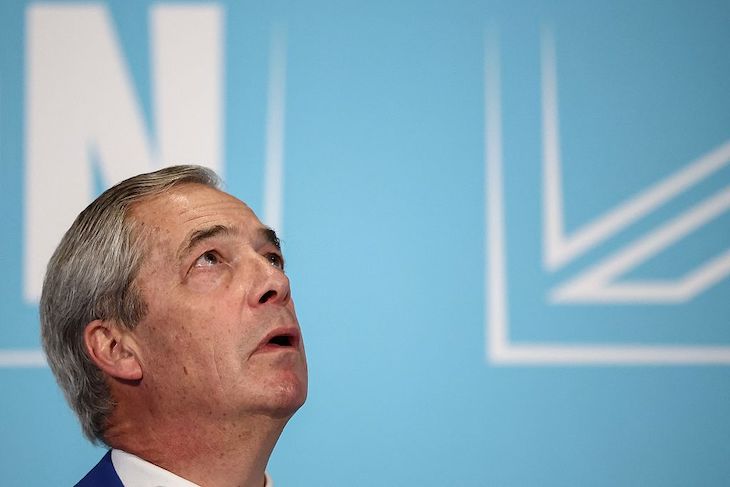
Trump has awarded the plum of power in Caracas not to Machado but to Maduro’s vice-president and oil minister Delcy Rodriguez, who has now been sworn in as interim president while her former boss faces drug smuggling and terrorism charges today in a Manhattan courtroom. Trump seems ready to recognise Rodriguez as Venezuela’s legitimate leader, despite the regime that she now leads having reduced the country to an economic and social disaster zone which has forced eight million people – a staggering one in three Venezuelans – to flee abroad, many of them to the US.
Despite Rodriguez denouncing the US raid in a fiery broadcast, she appears to have convinced Trump she is someone he can do business with – in spite of her deep involvement in the Maduro regime.
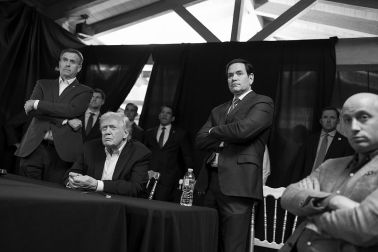
Yet the Trump administration itself seems less than united about what to do next. The president says America will return to Venezuela with more force should that be necessary, while Secretary of State Marco Rubio, a Cuban American hawk on Latin America, has made a veiled threat against the long established communist ruled island that his parents fled. Meanwhile, Tulsi Gabbard, Trump’s national intelligence director, who spoke out against US intervention before the raid, has been conspicuously silent since it took place.
America’s Nato allies fear that Trump’s unilateral action in breaching international law has robbed the West of its moral advantage over Putin for his invasion of Ukraine, and may embolden China to attack Taiwan. They also fret that Trump will be encouraged to carry out his threat to seize Greenland, which the president has deemed essential for the defence of America.
Although Maduro is gone, and the streets of Caracas are currently quiet, the repressive military-backed regime that he led is still in place. Trump looks less like a principled conservative acting firmly against a Marxist dictatorship, and more like an opportunistic businessman with little regard of the risk to world order.
Comments