Latin America

The hypocrisy of the Maduro fan club

Finally, the left has found a “kidnap victim” it cares about. Having spent more than two years making excuses for Hamas’s savage seizing of 251 Israelis, having violently torn down posters of those stolen Jews, now the activist class has suddenly decided that abduction is bad after all. Why? Because a dictator they admire, Nicolás Maduro, has been abducted by the United States. What do we even say about people who get more agitated by the seizing of a 63-year-old corrupt ruler than they do by the abduction of a nine-month-old Jew? That was Kfir Bibas, kidnapped along with his mother and his four-year-old brother during Hamas’s carnival of fascist

maduro

Nicolás Maduro’s How to Win Friends and Influence People

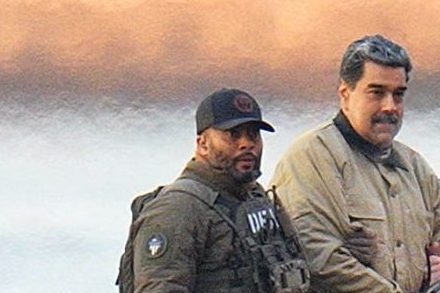
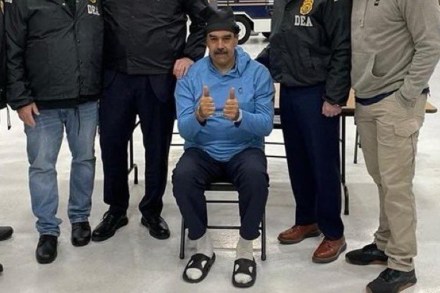
Cockburn stumbled into The Spectator’s New York office this morning afflicted with that annual January woe: the post-holiday blues. He was having a serious pout at his desk before he was chastened out of this gloom by his northern colleagues’ new neighbor: Nicolás Maduro. No one had a worse Christmas season than the deposed Venezuelan presidente. First, he and his wife were woken in the middle of the night by American soldiers knocking on their door; then they were forced to move into the worst borough in New York: Brooklyn. But despite all this, Nick is holding onto a positive mental attitude. Just look at this post-capture image: Here we

maduro

Was Maduro’s capture the greatest special forces raid in history?

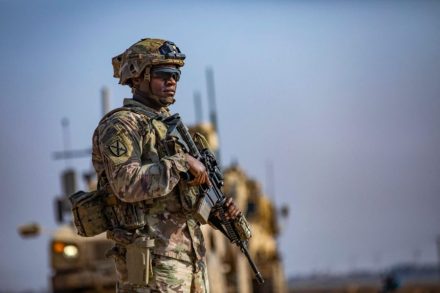
On this occasion no one can accuse Donald Trump of hyperbole. The President praised the Delta Force team that seized Venezuelan leader Nicolás Maduro as “incredible.” The operation to capture Maduro – codenamed “Absolute Resolve” – was months in the planning, and Trump watched it unfold in real time. “They broke into places that were not really able to be broken into,” he said. “I’ve never seen anything like it.” According to the New York Times, the operation began last August when CIA officers infiltrated Venezuela and began gathering intelligence about the habits and movements of Maduro. They were assisted by stealth drones high in the sky overhead and the

Maduro got off lightly

Nicolas Maduro is a very lucky man. The Venezuelan dictator – or ex-dictator now – might not feel that way as he enjoys the hospitality of the U.S. justice system after being snatched from the safety and comfort of his own capital on the orders of President Trump. But once he’s had a bit of time to relax, he should compare photos of his capture, Nike-clad and brandishing a water bottle, to the way Saddam Hussein looked when he was dragged out his “spider hole” in 2003 – or the way Muammar Gaddafi looked when a mob of his own people got done with him. Maduro didn’t lose a war

Can the ‘Donroe doctrine’ really change Venezuela?

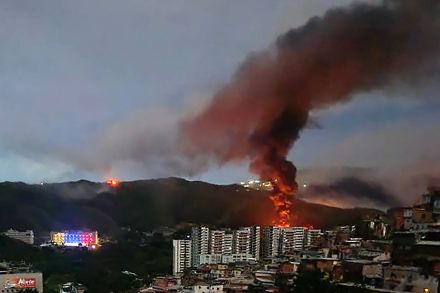
During the early hours of Saturday January 3, an official statement from the White House, signed by President Trump, confirmed that the US had captured both President Nicolás Maduro and his wife, Cilia Flores, and taken them out of Venezuela. At 2 a.m. sharp, thunderous sounds echoed through the capital city, part of what Trump called today “an assault not seen since World War Two… one of the most stunning displays of military might and competence in American history.” It was certainly an attack unlike anything ever seen in Venezuela. Within two hours, all of Caracas looked like a massive fireball, communications were down and areas were without power. The

donroe doctrine

What is the Donroe Doctrine's plan for Venezuela?

The US launched a military operation in Venezuela, targeting the regime in Caracas and detaining President Nicolás Maduro, who has been transferred to New York where he faces charges of narcoterrorism. Donald Trump has described the move as a decisive defense of American interests, but critics point point to the double standards when it come to Trump’s “America First” doctrine. Jacob Heilbrunn, editor of the National Interest, joins Freddy Gray to discuss the strategic importance of Venezuela’s oil reserves, the role of socialism in the country’s collapse, and how Trump may seek to manage the risk of regional backlash and a counterinsurgency.