
If you think public services are sometimes badly run in England, it’s occasionally worth looking north to Scotland, where public services seem to be pretty much always badly run. Scotland’s NHS is no exception.
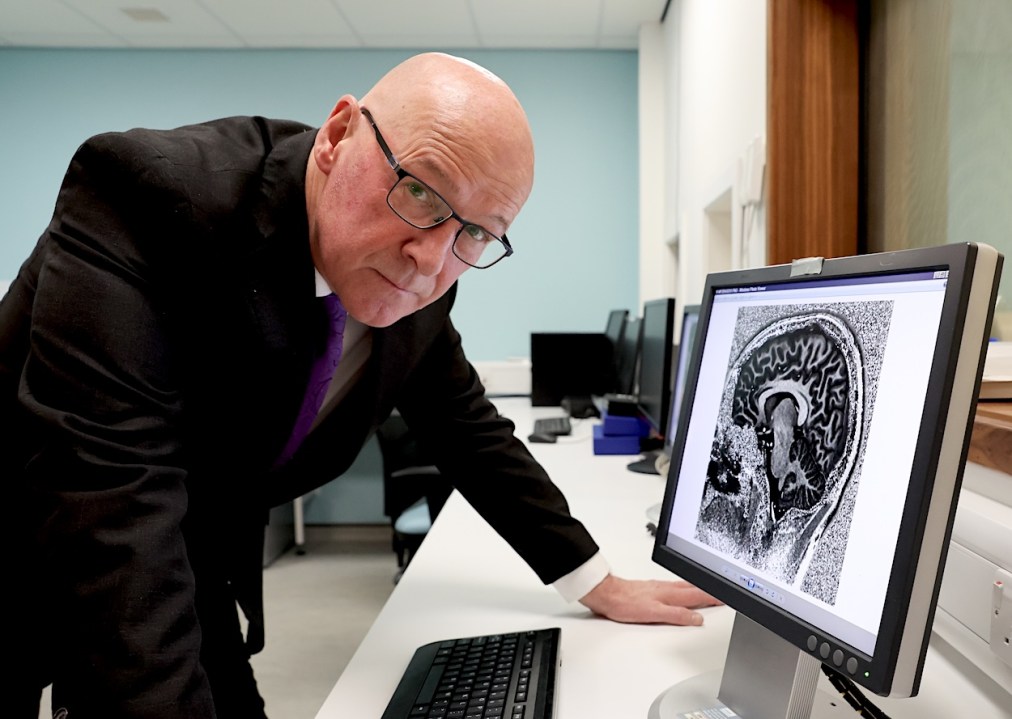
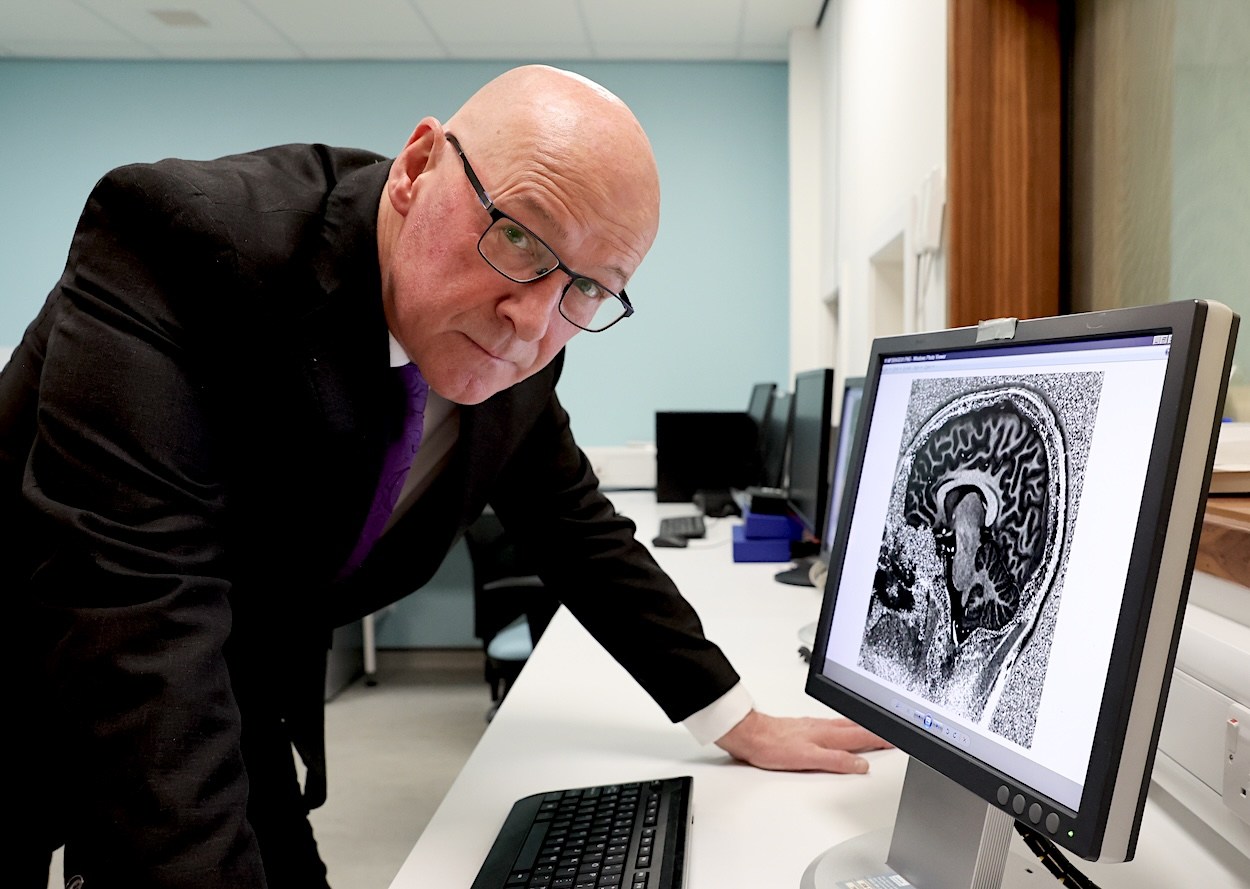
Yesterday, the country’s chief medical officer, Gregor Smith, resigned from his post because he did not ‘currently enjoy the good mental health necessary’ to continue in the job. Covid and its aftermath, he said, had ‘taken its toll’. Just 24 hours before, he had been questioned by a Holyrood committee.
Smith has been under pressure after a surgeon from NHS Grampian, Dr Mohammed Habib, called for a corporate homicide probe into his health board. The Scottish papers carried story after story last week of the goings-on in NHS Grampian, ranging from a surgeon attempting to take over a knee surgery while under the influence of drugs he’d been given for a medical procedure, to management failings to an alleged physical fight between a surgeon and a registrar after the latter suggested to the former that they were about to replace the wrong hip of an unconscious patient.
The most serious allegations, though, were in a report released by Habib when he went public. It found that of 31 patient deaths examined in Aberdeen Royal Infirmary’s liver and pancreatic surgery unit between 2015 and 2021, 19 of them were ‘avoidable’. According to Habib’s complaint, some of those deaths were due to patients bleeding out on the operating table because of medical mistakes and, most staggeringly, two people allegedly dying because they were given the wrong operation. Until Habib took action by reading this report out at a press conference, its findings had been buried.
According to reports, Smith and Humza Yousaf (when he was health secretary in 2022) discussed the findings of the report. Any interventions that occurred didn’t fix the problems, and Dr Habib wrote to Yousaf when he became first minister in 2023, then to John Swinney in 2024, then again in 2025 and then again in May this year. When asked at First Minister’s Questions this week why the concerns were not escalated, Swinney replied: ‘I simply don’t have the answer to that question.’
But I think we do have the answer. Because we’ve seen this before. When things go wrong in devolved Scotland – even fatally wrong – the SNP’s default instincts seem to be to deflect, deny and delete. The consequences of this secrecy have proved deadly.
When Glasgow’s so-called ‘superhospital’, the Queen Elizabeth University Hospital, opened, serious infections were found in 84 child cancer patients over the next few years, with some caused by a contaminated water system. Two died. The families say the health board lied to them. The hospital said ‘pressure was applied’ to open the hospital ‘too early’ when it ‘was not ready’.
Andrew Slorance, who was a senior Scottish government civil servant, died at the hospital in December 2020 after catching Covid during cancer treatment. When his widow, Louise, asked for his medical notes, she found he had tested positive for aspergillus mould, something that would have remained secret if she hadn’t demanded the notes. Earlier this month, the Times reported that the NHS Greater Glasgow and Clyde health board destroyed 227,799 patient records in 2025-26, four times the previous year’s total, and Louise Slorance says there are gaps in her husband’s notes.
Scotland is a small country that feels insecure about it
Then there was the Covid Inquiry. It found that Nicola Sturgeon’s pandemic WhatsApp messages had been deleted; Gregor Smith had got rid of his too. That pattern seems to have continued today. Bad news is discovered, brushed under the carpet and left to whistleblowers or bereaved families to force it out. There are no consequences and the SNP seem to think apologies will suffice.
There’ll be another inquiry and maybe we’ll find out why this cover-up culture, instead of being learnt from, continued in Aberdeen. But the reasons, to me, seem obvious. Scotland is a small country that feels insecure about it. The result is blurred lines between party, civil service and health board, with those who rock the boat finding their careers stagnate as a result. Everyone senior in organisations knows everyone senior in others. Combine that with a party whose sole goal is to appear that things are run better than they are down south and you get this toxic, deadly mix.
This article first appeared in Michael’s Reality Check newsletter. Sign up here.





Comments