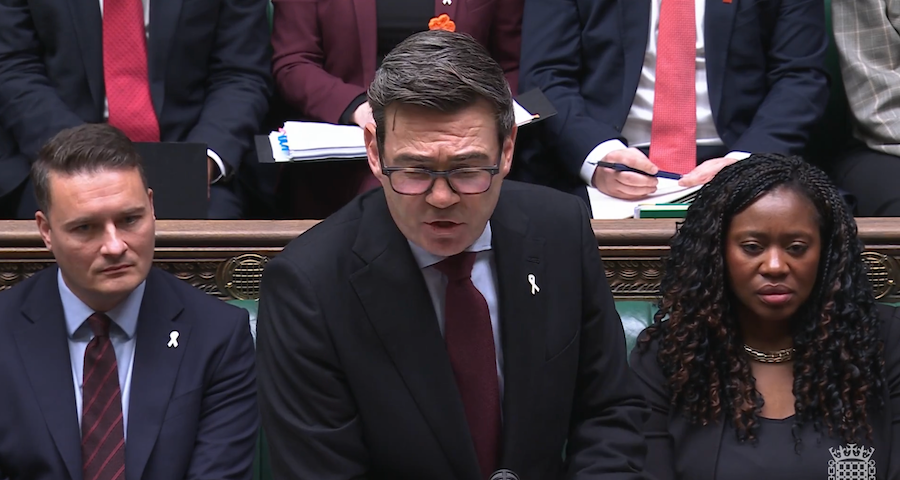
Kemi Badenoch had her pick of topics at Prime Minister’s Questions today. She could have chosen energy bills, given Ofgem has just announced that the energy price cap would rise 26 per cent in January. She could have used yesterday’s Timms report to get Burnham properly uncomfortable on whether he really intends to cut anything from the welfare bill. But she chose the Prime Minister’s negotiations with the European Union – even though they had already sparred over this on Monday.
The logic behind this choice was clearly that Badenoch wanted to suggest that Burnham really hasn’t thought through what he’s doing regarding Europe, so that when he sets out more of his objectives on a post-Brexit reset later this month, she has already undermined him. Her first question was about the implications of the negotiations on tuition fees. She quoted Universities UK saying it would do huge damage to their sector and added:
Who will the Prime Minister ask to pick up the bill? Is it cash-strapped universities or cash-strapped taxpayers?
Burnham regularly speaks of ‘hope’ as though it is a quantifiable and concrete thing
Burnham replied that Badenoch had answered her own question because, as she had pointed out, the deal wasn’t yet done. The government would be ‘mindful’ of higher education, he insisted, before trying to sell the bits of the deal that had been agreed. He said it gave:
Opportunities to everyone in this country under the age of 31, it puts more hope on the horizon of young people, hope that was taken away by the Brexit deal, the flawed Brexit deal that they negotiated.
Burnham regularly speaks of ‘hope’ as though it is a quantifiable and concrete thing, possibly requiring its own independent regulator that can produce annual reports assessing how much ‘hope’ the government has produced this year and offering fluctuating forecasts for the future.
The Tory leader then suggested there was confusion between Burnham and other European leaders about whether tuition fees were in a separate negotiation to the rest of the deals on food and emissions. Burnham insisted that this was ‘what we have said all along’, and demanded that the Tories support a deal that would bring down pressure on the weekly shop:
They are now the red tape Tories, standing against a deal that will be good for British businesses, good for British consumers and good for young people in Britain.
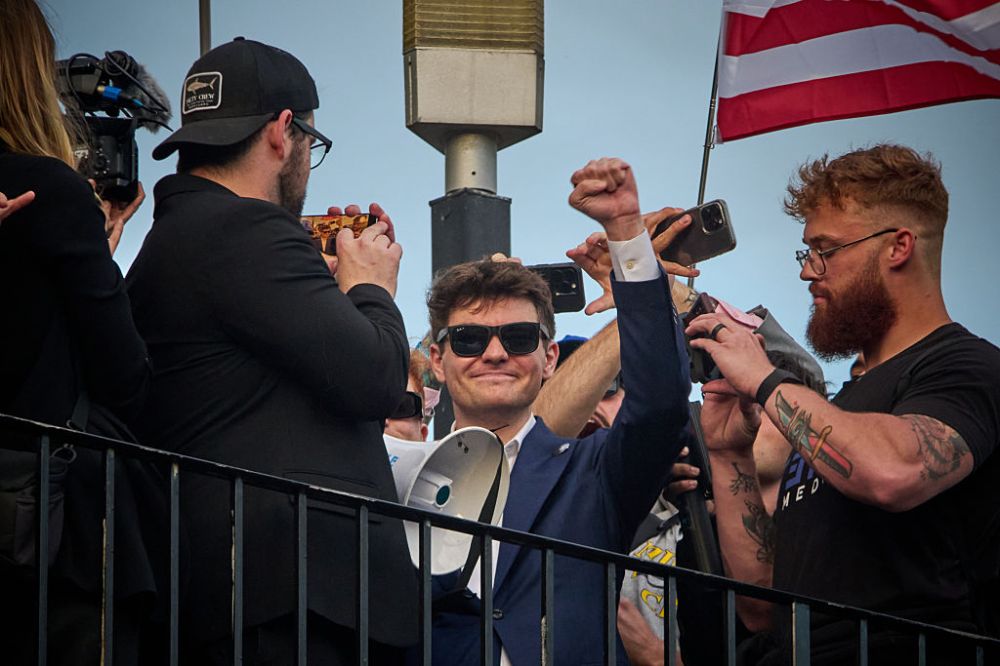
It was now time for Badenoch to dig out the influencers in Downing Street. Burnham will have come to the chamber ready for her jibe that if he ‘spent less time talking to influencers’ and more time talking to business, he would have a different view. She pointed out he couldn’t answer if Brussels would still agree to the deal if he cut tuition fees and demanded that he needed to be clear about what was going to happen. ‘Will he now rule out EU students paying the same tuition fees as British ones?’
Back Burnham came with his prepared influencers line:
She mentions talking to influencers. It’s true, I have spoken to influencers. And then I have to come to this house and speak to people who are the opposite of influencers.
This prompted laughter and cheers from his own colleagues, many of whom have in fact been rather unsettled by the influencers who recorded clips in Downing Street. The pair carried on arguing both about whether Burnham had red lines in his negotiations and about those influencers. Badenoch accused him of preferring ‘soft questions from people dancing around Downing Street’. ‘Wait until she hears about the lockdown parties,’ Burnham shot back. He argued that she should ‘look at the whole package in the round’, quoting supermarkets again, and promising that it ‘gives hope to young people’.
Badenoch kept doggedly going at the point about tuition fees, listing all the ways in which Burnham had not answered her questions on the deal. She mocked his use of ‘hope’, saying it wouldn’t pay young people’s energy bills or get them jobs. It was in her final question that she really went for the jugular on the influencers, giving Burnham little choice but to make his payoff about a video that should have been taken down, rather than talk about anything more meaningful. She told him he was ‘going to fall off his high horse pretty quickly’ after mentioning lockdown parties. And she described – without repeating its language – the video recorded by an influencer on the steps of Downing Street:
This is grotesque. Labour MPs constantly tell us about their commitment to fighting violence against women and girls. Those MPs were silent yesterday. I won’t be.’
Burnham told her she was ‘right to call out’ the inappropriate video, but that he would not apologise for engaging with people that young people were looking to. He accused her of ‘sneering’ at influencers – which would have had more force had one of those influencers not deserved far worse than a sneer.
It was particularly awkward given Burnham had started the session with a pledge to speed up legislation on NDAs to mark White Ribbon Day, and given Joanne Young was in the gallery following her extraordinarily dignified and powerful statement following the conviction of four men for raping and assaulting her at the encouragement of her husband. Burnham has turned to influencers in part because they are seen as easier to deal with than the ‘feral beast’ of the traditional print and broadcast media. But as he has found, they’re just a different, and equally dangerous, species of beast.




Comments