Old recipe books have a deceptive frankness to them, with their terse introductions, blunt instructions and dependence on store-cupboard staples like onion, flour, butter and milk. Even so, the typical modern cook will soon run into trouble. Unless, of course, he or she knows how to tell apart – and take apart – cuts of meat, isn’t afraid of lard, congealed fat or jelly, and can cope with fish in all its forms.
It’s the loss of this latter set of skills, filleting in particular, that has coincided with the shrinking of our seafood horizons, recently published research suggests. Dr Ruth Thurstan, an Exeter academic, scrutinised 1,192 fish and shellfish recipes published in Good Housekeeping magazine over the last century. She found that in the 1920s, 32 species were listed in 76 recipes, but by the 2020s, only 23 species came up in 99 recipes, with the vast majority relying on ‘the big five’: salmon, tuna, prawns, cod and haddock.
Being stuck on the Big Five is partly a UK problem
Most fish was not filleted before the 1950s, so it fell to the housewife to de-bone it. There was a more gung-ho attitude towards seafood in general: cockles, whelks, oysters, sardines and mussels might all be on a typical cost-conscious weekly rotation. By the 1970s, convenience culture was well and truly underway, and pre-filleted fish had become the standard in packets and on the fish counter. In sync with global fishing patterns, the Big Five seized the day and have clung on.
Modernity has enveloped most of us. I am not one to debone a chicken or get too involved in this or that cut of beef, let alone set about filleting a fish. I don’t know anyone my age (mid-40s) who would either. I won’t even de-shell large prawns; the effort and mess are never worth it, and as for cracking the meat out of lobsters…

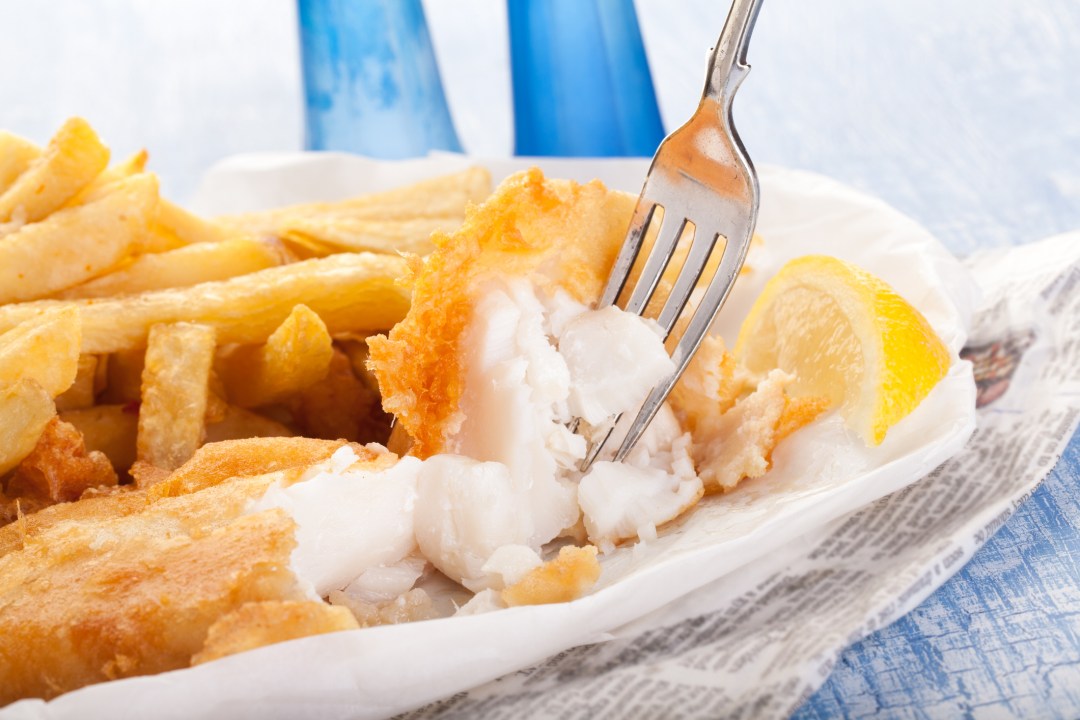
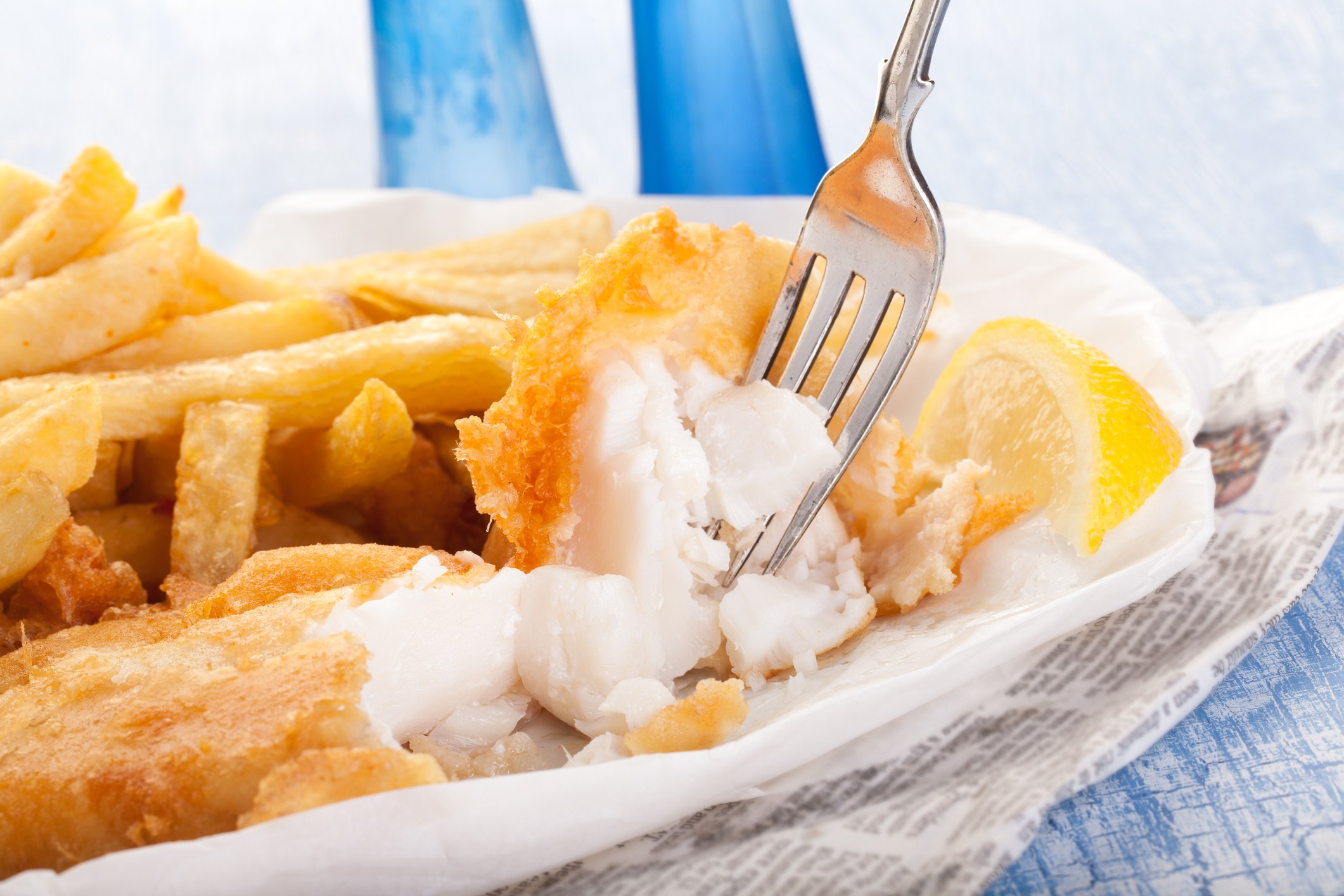
But that doesn’t mean that the easy world of Big Five fish is a particularly pleasurable one. Cod and haddock are dull through and through. They were plentiful on the New England coast when I grew up and did not liven up the prospect of dinner. In the UK, they seem to be mainly presented heavily battered with chips, or in expensive restaurants under irritating sauces at around the £30 mark.
It’s rare to see trending recipes for haddock and cod online because they are just so inherently boring – no matter how much miso, gochujang or preserved lemon paste you smear around them. It is telling that in mega-influencer and model Nara Smith’s cookbook Homemade, published last week, seafood makes only a tiny appearance. There’s only one white fish recipe: a hake (or cod) in yoghurt.
Which leaves salmon, tuna and prawns. Tuna is boring too; almost better from a tin. Salmon has a lovely taste and never gets old, even if its previously luxurious status in sushi has been destroyed by the rise of the Tesco salmon maki box.
But the problem with salmon is all the disease that circulates in its farms, and the antibiotics required to keep infections at bay. Once you learn about farmed salmon, it’s hard to look at it in the same way. Prawns are nice flavour-absorbers with a satisfying texture, but are also magnets for disease and absorb high levels of mercury.
Tins are being repopularised, in part because of the marketing of sardines as peerless, cheap sources of fashionable omega-3s. But in the early-to-mid-century heyday of the tin, pilchards, herring and sardines (often devilled) were commonplace.
Being stuck on the Big Five is partly a UK problem. In the US, one can at least dine on tilapia (delicious) and pollock. On the East Coast, fresh lobster and clams are more common. But the fish counters in British supermarkets or fishmongers’ shops are depressingly slim. Bream and bass are lovely, and usually available, but expensive and unsatisfying. You’re hungry an hour later. Some may choose to fork over for a whole trout and deal with the bones at home. And while I’m sure one could buy sole, I don’t hear of it happening much. Monkfish is an occasional treat.
Thurstan wants us to eat a better range of seafood too, though not out of concern for our palates. ‘Diversifying the seafood you eat is one of the simplest ways to support a more sustainable seafood future. This concentration of preferences carries environmental costs,’ she lectures. And next time you reach for the cod, haddock and prawns, remember the destructive way in which they are caught, rudely disturbing the seabeds. Prawns and tropical shrimp are particularly bad, the former having ‘driven large-scale clearances of mangrove vegetation, while salmon farming has been criticised for enhanced disease transmission and reliance on wild fish as feed’.
The Marine Stewardship Council agrees, of course, suggesting trying sustainably fished sardines or mussels for a dish, or replacing cod with hake. I’m struggling to get excited about hake, whatever Nara Smith says, but I am on the sardine bandwagon, finding that tinned fish goes well mashed with yoghurt, mustard, red onion and seasoning and spread on toast. And mussels? Well yes, if it weren’t for all those shells and the confidence required to know when they’re cooked enough to definitely not kill those who eat them. Oysters are out for the same reason, but whelks and cockles are surprisingly toothsome.
Anyway, point taken. Down with the Big Five, mainly to inject some life into our weekday plates and reignite our relationship with the marine environment. Though a kinder, softer sea floor where the fishies and crustacea can frolic forever is no bad thing either.





Comments