
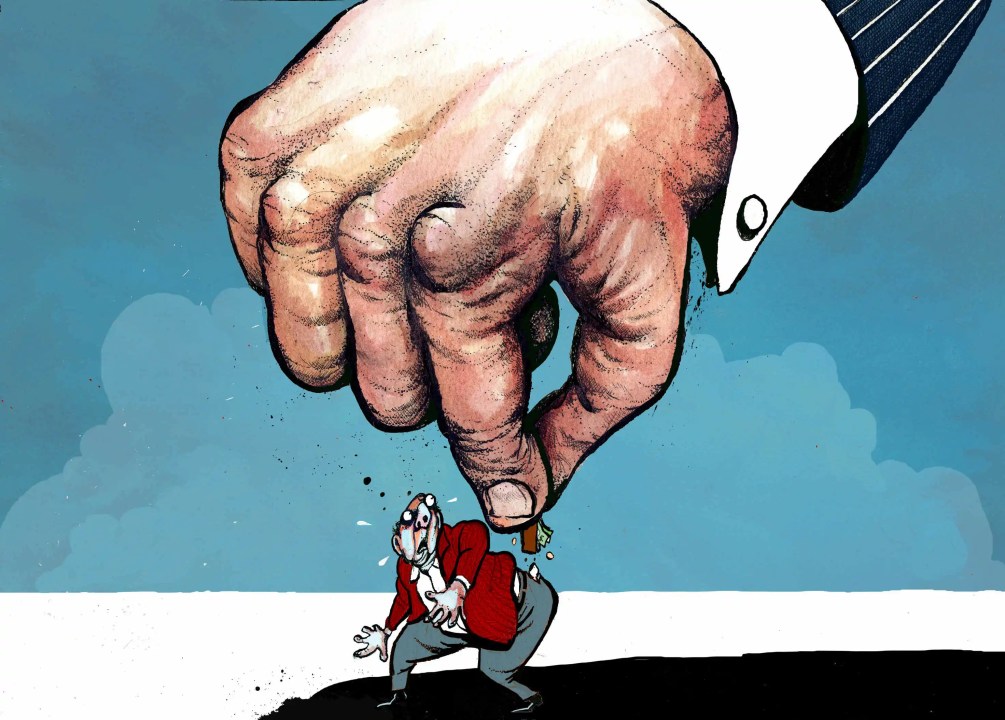
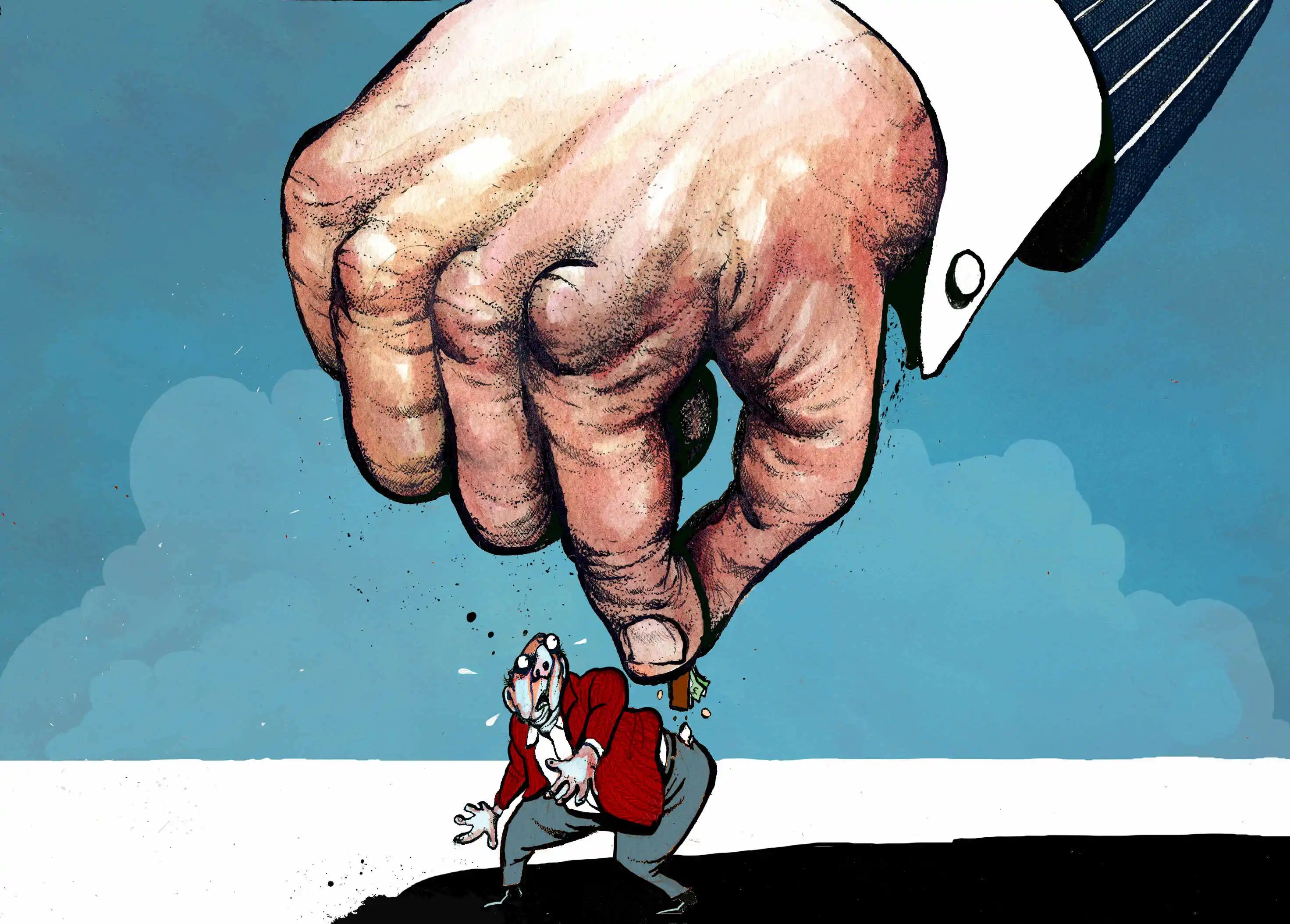
Welcome to kite-flying season. With exactly two months to go until Andy Burnham and John Healey’s first Budget, we’re beginning to get a shape of what’s likely to happen. The headline is that they want this to be a nothing fiscal event. Headroom will be maintained, minor cost of living interventions will be funded and there’ll be a load of froth about plans for fiscal devolution.
Healey, for his part, is determined to avoid the leaks that plagued Rachel Reeves’s last Budget. The Treasury has apparently rolled out some high-tech computer system to stop leaks happening. But they’re hard to avoid. I don’t think I’ll be kicked out of the magic circle for telling you nobody sends you a leak by forwarding it from their civil service email. If leaks come from HMT, they are either deliberately put out by the Chancellor’s special advisers or by people mouthing off in the pub or from photographing documents. ‘Stakeholders’ and interest groups are consulted on policies and measures too and become very leak prone.
But even despite Healey’s crackdown, it seems Burnham is still keen to fly some kites. We got the first of these this week during his visit to Ukraine. Asked by ITV if tax rises would be needed to pay for increased spending, he said he would not be ‘unrealistic’ and that the public finances were ‘challenging’.
Cue the usual questions: is this clearing the groundwork so that tax rises don’t seem so shocking on 28 October or are they dangling something they have no intention of doing so that they are thanked for not doing it?
With that in mind, I thought it was a good opportunity to state five facts about the state of our taxes that are often forgotten:
1. Leaks have an impact
Healey is right to worry about the damage pre-Budget speculation can do. Just look at what happened with capital gains tax receipts. When rumours gathered pace that CGT rates might be raised in line with income, there was a massive sell-off in assets so the tax could be paid at its – then – lower rate. Receipts surged. That has helped keep the public finances in a better state than they might have been this year, but it means a similar bumper windfall is unlikely to be on the table for the Chancellor next year. Taxes such as CGT, which are essentially payable when an investor decides he’s ready to sell – and thus pay the tax – are clearly incredibly vulnerable to Budget speculation, rumour and gossip.
2. The tax burden is at a postwar high
I’m sure you’re all bored of hearing this but – as a share of GDP – not since the war has the British state sucked more out of the economy. By the start of the next decade, the Office for Budget Responsibility reckons it will account for nearly 39 per cent of GDP.
3. And this parliament has taxed more than any other
Even if Healey were to stand up on 28 October and then immediately sit down again, this would still be true. Rachel Reeves’s £25 billion national insurance raid as well as the extension of fiscal drag means this parliament has put up tax by more than any other on record. The below graph is pretty striking.
4. But that doesn’t mean the average person is actually taxed that badly
Which is the real oddity – and the thing most people aren’t aware of. The truth that neither Labour nor the Tories wish to admit is that the Conservative government made very ‘progressive’ changes to our tax system. The result is that – for direct income taxes anyway – it’s the wealthiest who already take up the strain. Tax on the average worker has actually been falling for decades and is pretty low by international standards. That means if Burnham does want to look at tax rises as part of his ten-year plan, it will be ordinary working Brits he has to look to.
5. Tax rises may not be necessary
But do we need to hike taxes at all? Borrowing costs have risen since the last Budget, driven by the Iran war and our refusal to tackle long-term inflation expectations. The result is that a lot of the £22 billion of headroom Reeves left herself last autumn – revised up to £24 billion in March – has been eaten away. However, we’re not in the position we were last year when it was eaten away to near zero – something she deserves some credit for. That means that any tax rises or threshold freezes that are announced at this next Budget are ultimately political choices. They are not necessities. Remember that when the kites are next flown.



Comments