Russia’s war in Ukraine is midwife to a revolution in military affairs. Such revolutions arise from new technologies that do not merely confer an advantage, but transform the way strategists think about, and armies fight in, the battlespace. They are fundamental events in military history and thought.
Three such revolutions marked the previous century. Each began with breakthroughs at the end of one war and came to define the character of the next. The tank and airplane were first used together in 1917-18 and proved decisive in 1940. The ballistic missile and atomic bomb appeared in 1944 and 1945 respectively, and laid the foundations for Cold War nuclear deterrence. The laser beam and microchip that spread into defence systems in the 1970s and 1980s played a key role in the 1991 Gulf War.

In each case, those who grasped the coming revolution in military affairs and adapted doctrine, training and command around it gained a decisive advantage. Those who missed it, like France in 1940 and Iraq in 1991, fought the next war like the last one and faced catastrophic defeat.
The latest revolution is driven by drones and artificial intelligence. Unlike previous revolutions in war its technologies emerged early, not late. Ukraine and Russia are making this revolution as they fight, and the world is watching it unfold. But it is one thing to see it happen, another to make sense of it conceptually – to grasp its nature and predict its future. Who can fight well with new technologies and reflect on them deeply at the same time?
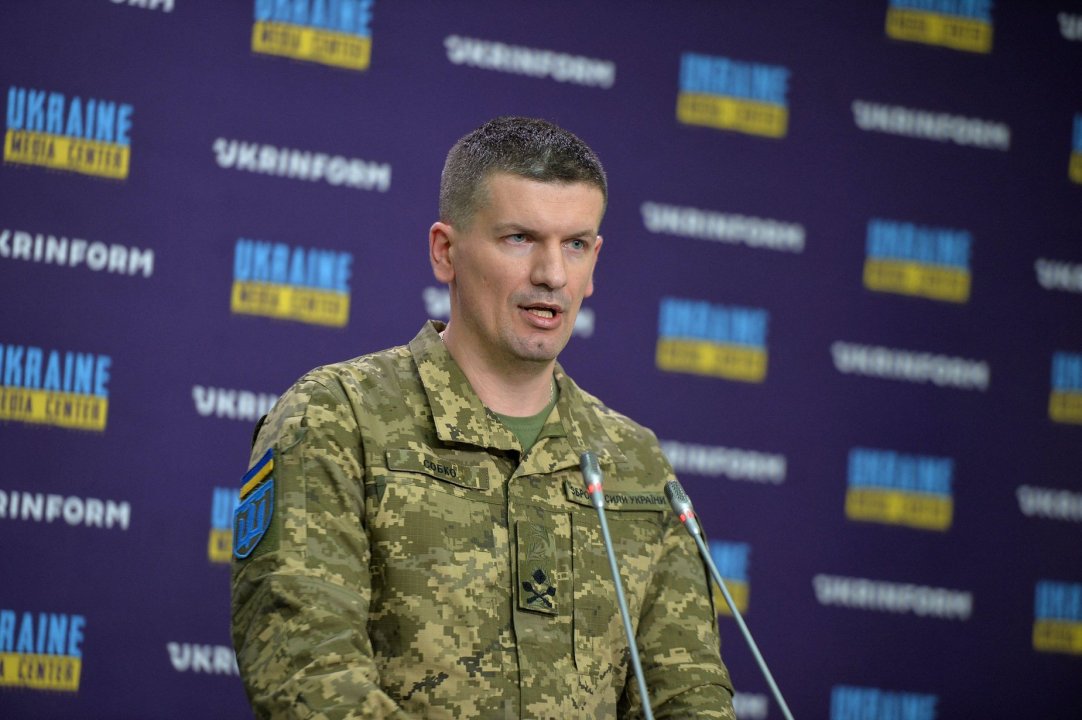
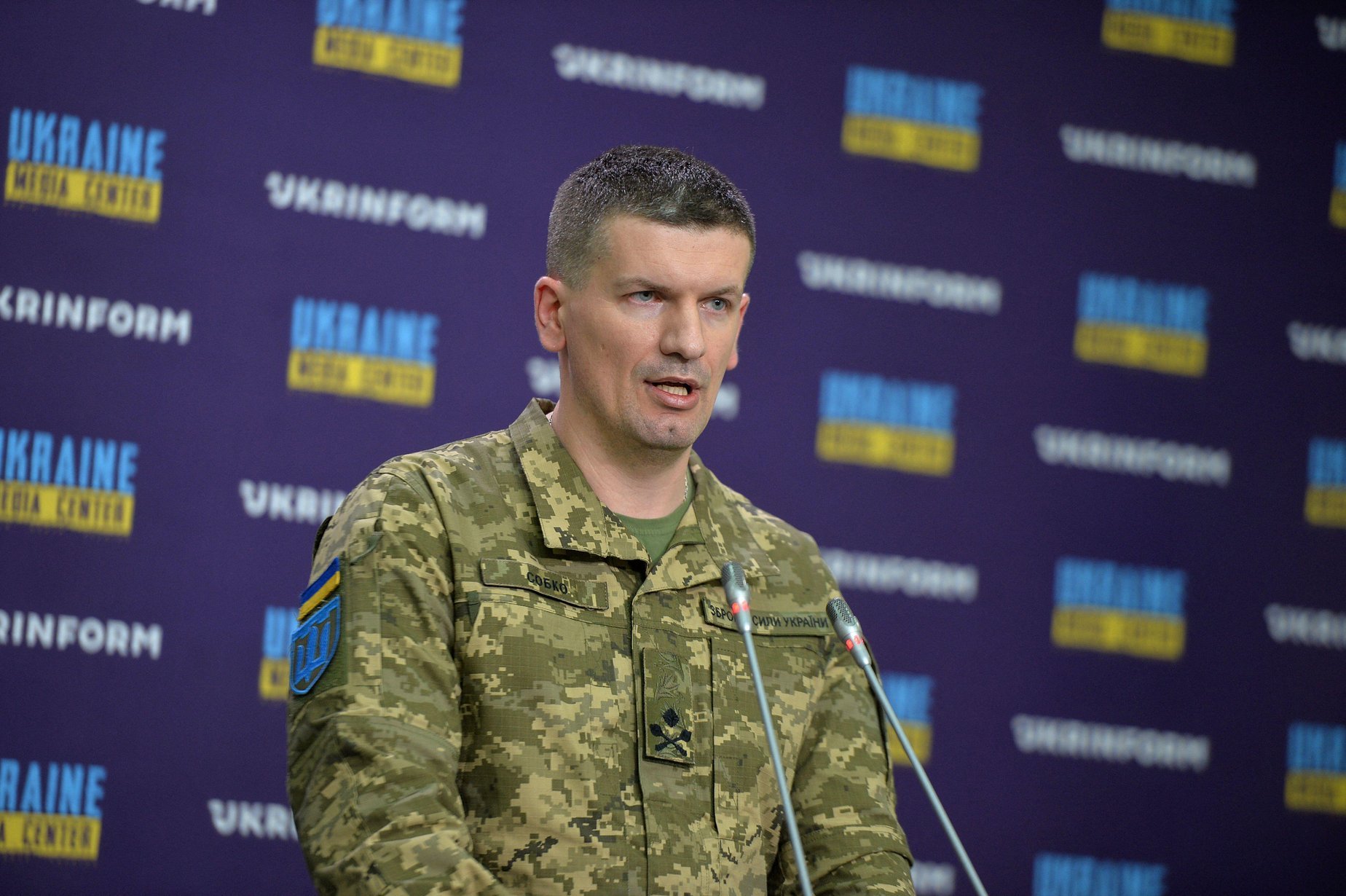
Serhii Sobko has done so. Recently appointed acting deputy commander, he has played a key role in Ukraine’s armed forces since the start of the war when he was chief of staff of the Territorial Defence Force. He has written an astonishing book about the war and its wider lessons while holding senior command positions. Everyone with an interest in this terrible conflict, and in the future of warfare, should read it.
Sobko explores every important aspect of the war and their connections with each other. He discusses the ecosystem of uncrewed vehicles (not only drones), and growing use of AI in detail, and explores their implications for other weapons systems – the tank is not obsolete, but its role must adapt – and for logistics, troop rotation, military medicine and command presence. All these must be rethought. So must other aspects of operational art, such as electronic warfare – which ‘broke the enemy’s will’ during Ukraine’s offensive in late 2022 – and the use of deception on a transparent battlefield.
Sobko is worth reading for these insights alone. But he ranges far beyond technological and tactical innovations to the broader systemic reforms that are essential for lasting success. ‘Improvisation wins engagements; institutions win wars,’ he says. Ukraine’s drive to reform has roiled military politics, provoking clashes between traditions of centralised, often micromanaging, control and newer approaches to decentralised mission command. These came to a head in July when President Zelensky dismissed the tech-literate and reforming defence minister Mykhaylo Fedorov and then, faced with mass protests, replaced Fedorov’s antagonist, commander-in-chief Oleksandr Syrski, with Mykhaylo Drapatyi – like Fedorov an innovator, and Sobko’s new boss.
Reforming while fighting presents severe challenges, especially in reconciling strategic and operational flexibility with the doctrinal coherence necessary to instill co-ordination. What has emerged is a distinctive ‘Ukrainian way’ of war which blends Soviet legacies, western training, and direct battlefield experience. Sobko insists that its achievements must be judged ‘honestly, without romanticisation’. He is critical of the still-partial diffusion of a new command culture, and of the operational setbacks and failures that can result. Nor does he shy away from sensitive issues of civil-military relations or the careful diplomacy required by Ukraine’s dependence on western support.
Sobko warns, too, against underestimating the enemy. For all of its incompetence, corruption and brutality, Russia’s military has real strengths in engineering, adaptation and resilience. Its skill in ‘plagiarising’ Ukraine’s innovations means Ukraine must constantly stay ahead. He also fears that Ukraine is ‘forgetting how to move’ – losing the offensive capabilities and mindset that proved so successful in the Kharkiv and Kherson breakthroughs in late 2022. His caution is a sobering corrective to claims, now fashionable again, that Ukraine is winning the war.
Western militaries are now studying these lessons. But Sobko points as well to no less urgent tasks for states and societies. Since ‘modern war is total war’, the whole economy must be prepared. Infrastructure, supply chains and logistics must be protected in advance from physical and cyber attacks. Before 2022, Ukraine expanded and modernised its digital systems, and paid ethical hackers around the world to test them. They have been key to the state’s ability to function effectively and retain the trust of its citizens. So has the distributed civilian production of drones that enabled Ukraine to increase its output ten-fold in one year.
While Sobko is too polite to say so, there are lessons for our entire political spectrum
Society must be ready too. Ukraine’s energy, ingenuity and self-organising capacity are indispensable to its war effort. The ability to harness and direct them rests on a shared civic nationalism across ethnic, linguistic and other identity groups. But national unity must be built, not assumed. Sobko offers valuable advice on how to do so, and on how to protect society from cognitive attack – for the next war will start with ‘messages not missiles’ which seek to disrupt and demoralise. He notes that if cultural narratives are fragmented, public engagement on defence is weak, and military service feels remote, society will struggle to make its essential contribution to security.
While Sobko is too polite to say so, there are lessons for our entire political spectrum. When war is in sight, it will be too late to instil civic and military resilience. Scars and Seeds is an indispensable guide to Ukraine’s experience and its wider implications. It blends hard-won experience with mastery of the wider literature. It is eloquent, and at times poetic and moving. To write such a book after deep reflection on a war that is over would be remarkable. To do so while waging it is an almost impossible achievement.





Comments