Since the end of the Cold War, America has been the world’s supreme power. The idea that the United States could be taken down militarily by any other country is simply implausible. US invincibility, indeed, has spawned the concept of asymmetric warfare: instead of trying to overwhelm an enemy, you prod relentlessly at its weak points. This has changed the world from one in which organized warfare would break out between the major powers from time to time to one where peace has to be maintained against the constant hum of terrorism and guerrilla action.
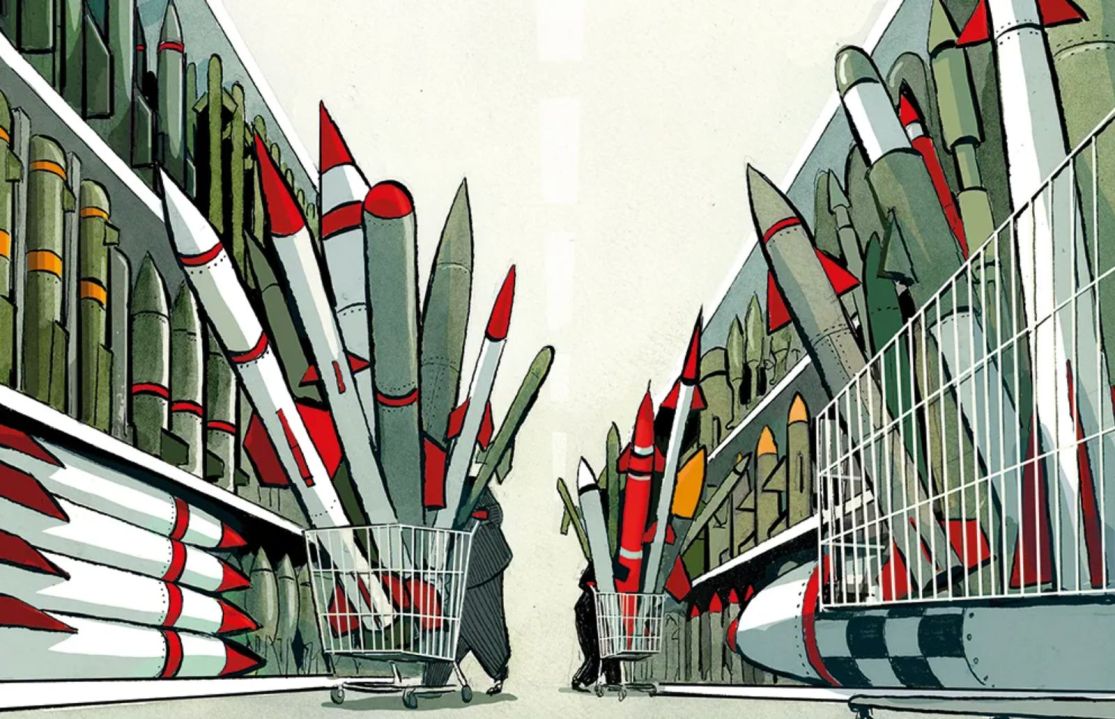
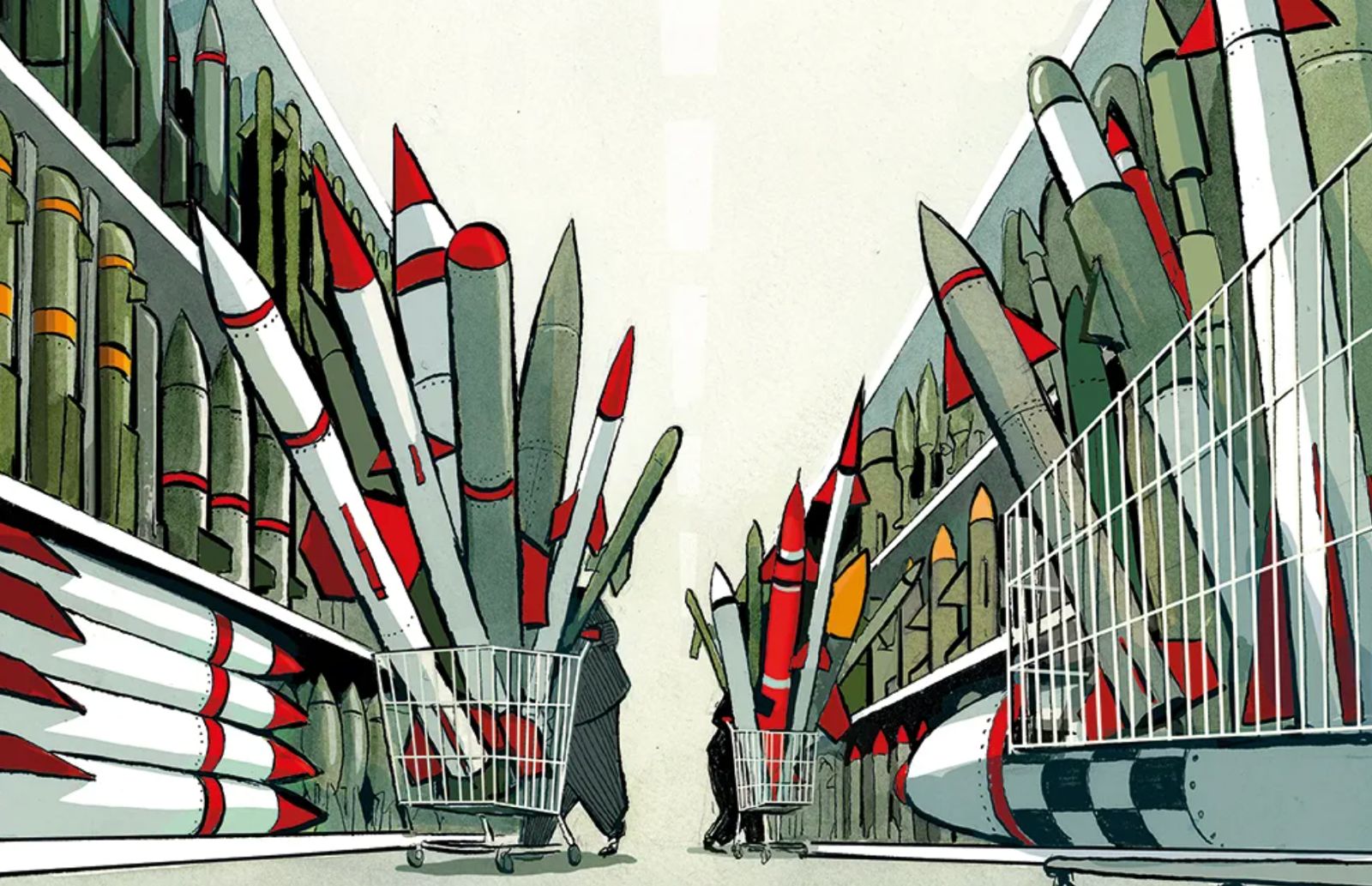
It comes as a shock, then, to learn that the US has apparently all but run out of long-range precision missiles. Reuters reports that supplies of army tactical missile systems and precision strike missiles have been exhausted by the long campaign in Iran. Meanwhile, the Center for Strategic and International Studies is reporting that stocks of Tomahawk missiles have dwindled by half and that defensive missiles have also been depleted, with Patriot interceptors down 65 percent and THAAD missiles down 38 percent since the beginning of the Iran conflict.
Trump has undermined America’s ability to control its adversaries through deterrence
The consequences of this should not be exaggerated. It doesn’t mean that Vladimir Putin could now march in and plant the Russian flag on the White House lawn. The American nuclear arsenal remains untouched and it has ample supplies of other weapons, too. Nor does it mean that the campaign against Iran cannot continue, although in the short term attacks might have to be switched to plane-based bombing raids, which risk the lives of US airmen and thereby undermine public support for the war.
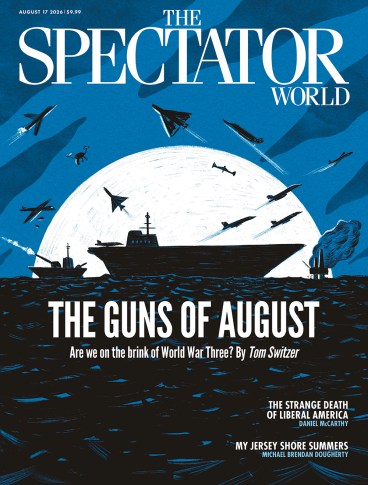
In the longer term, missile supplies can be replenished. US weapons production capability has not been damaged; if circumstance demanded that the country be switched to a full-on wartime economy, there would be plenty more missiles soon rolling out of factories. The great concern today is that such a scenario may not be entirely unrealistic. As Tom Switzer argues in our cover piece, in the current destabilizing geopolitical climate, the idea of America soon having to face a world war is moving into the more disturbing realm of the plausible.
Low missile stocks are an embarrassment for the Trump administration and a reminder that US military resources are not limitless. It also exposes Donald Trump’s hubris in launching his adventure in Iran without thinking it through properly. The notion that it would all be over quickly, that the Ayatollahs would quickly fall and be replaced with a more benign regime, was always fanciful. But it is all the more obvious now that regime change in Iran will not be achieved without long-term financial commitment. In the first four weeks of the conflict alone, 850 Tomahawk missiles were fired; each cost up to $3.6 million to manufacture.
Trump was meant to be the antidote to years of George W. Bush and the neocons, who falsely believed that military action could quickly topple malignant regimes and enable democracy to flourish in their place. What we got instead was chaos and more Islamist extremism. Trump’s worldview was a reaction, too, against Barack Obama’s fumbling foreign policies.
Under Trump there was to be a clear policy: US defense was for defending America, not trying to engineer the rest of the world as America would like it to be. If that meant leaving some of America’s friends in the lurch – and no one was more dismayed by the policy of America First than Volodymyr Zelensky of Ukraine – it was at least a clear and logical stance.

When it came to Iran, however, Trump could not credibly claim the ayatollahs in Tehran posed a significant threat to US soil or a direct threat to US interests. Oil was flowing freely through the Strait of Hormuz right up until the beginning of Operation Epic Fury. The President joined an Israeli campaign to suppress Iran’s nuclear ambition and its sponsorship of terrorism in the Middle East. Nearly six months and many thousands of missiles later, it is hard to see that anything permanent has been achieved. We have one ayatollah dead and his son and heir apparently too injured to appear in public. We have Iran’s military infrastructure degraded but far from extinguished.
We are now in what some observers are calling a “Groundhog Day” war wherein America and Iran throw more missiles at each other, Trump issues more terrifying threats on social media and then theatrically calls off said major escalation. America then pursues some form of negotiation with the enemy, which breaks down as bombs and drones fly once more – and the cycle repeats.
What’s increasingly clear is that, come the end of the conflict, Iran’s will to arm itself, including with nuclear weapons, will be undiminished.
Trump’s modus operandi is often explained as the “madman theory” at work. He makes enemies believe that he may be capable of virtually anything and that makes them shy of attacking American interests.
But there is an alternative explanation for Trump’s behavior: that he really isn’t sure about what he is doing, that he has overstretched himself and is now flapping around, making up strategy as he goes. And in so doing, he has undermined America’s ability to control its adversaries through deterrence.
The Theory of the Madman only works if you have military domination over your enemies, if you have such destructive firepower at your disposal that your enemies know you could crush them. But by allowing US missile stocks to become depleted, Trump has shown the limitations of US military might. For Iran, and anyone else that Trump might decide to take on, the message is that if you can resist long enough to exhaust American resources, you may win a kind of victory.





Comments