The European Union has just imposed a visa ban on serving and former Russian soldiers. Implementation will not be easy – how do you tell if an applicant has served in the military? – but the principle is sound: those fighting for a state that threatens Europe should not expect to holiday there.
This revives a broader debate. Who from Russia should Europe admit? Russia launched the largest invasion in Europe since 1945. It is conducting a campaign of espionage, sabotage and assassination across the continent. Its leaders openly describe relations as a state of war. In these conditions, immigration policy is an integral part of security.
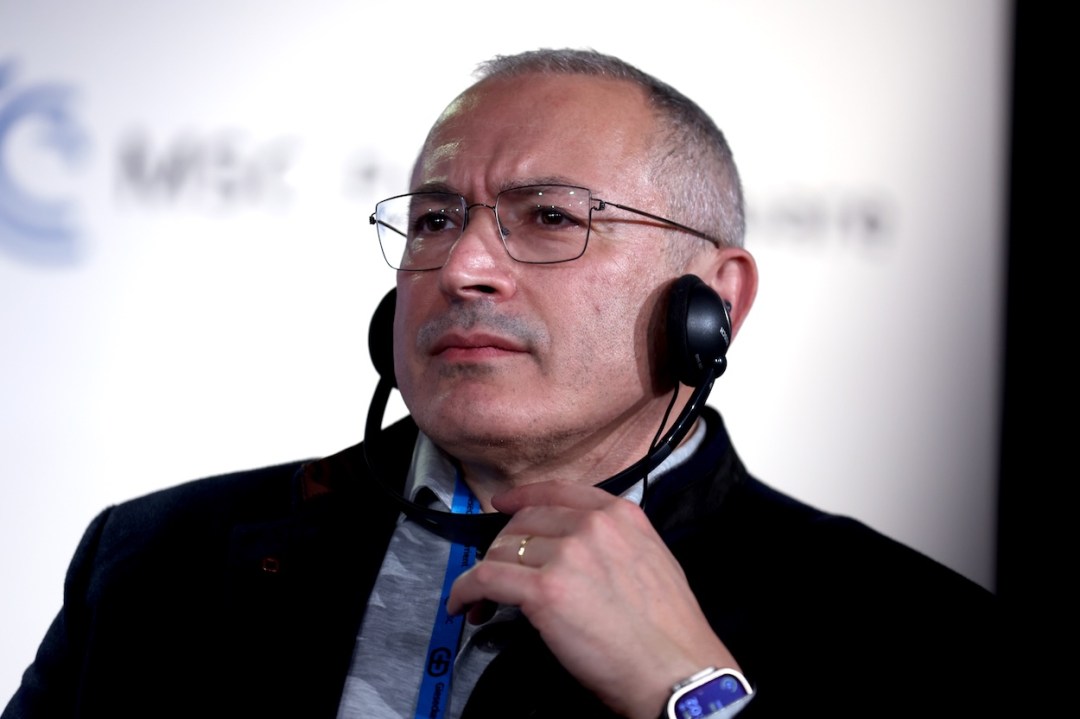
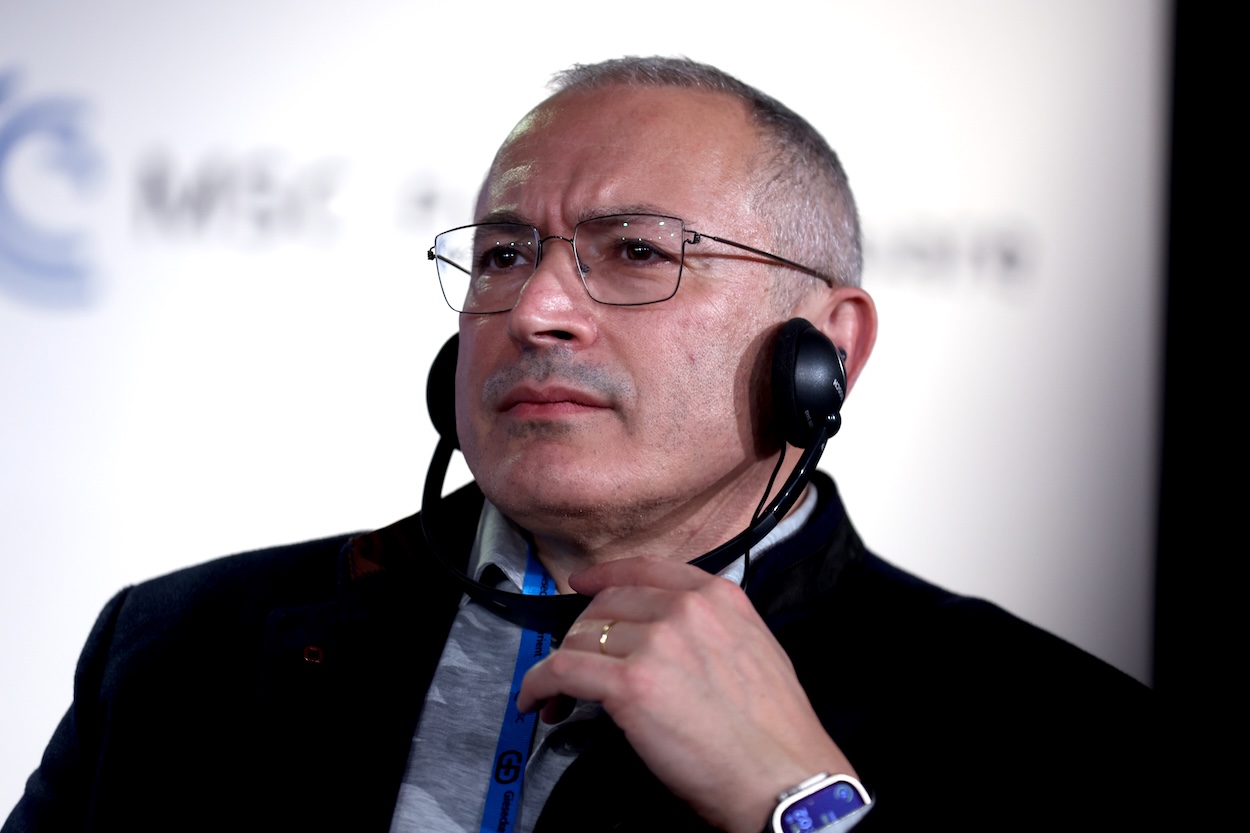
Europe welcomed genuine political dissidents during the Cold War, and should continue doing so. But some argue Europe should go further. The exiled former oligarch Mikhail Khodorkovsky, whose arrest in 2003 and subsequent trial I covered while serving at the British Embassy, makes the case prominently. Since 2022, he has called on Britain and Europe to offer visas and employment to Russian engineers, scientists and other skilled workers. He argues this would both hurt Putin’s rule by draining Russia of skills, and help Europe by providing it with new expertise.
This view is doubtful and carries grave risks. European policy is not the main barrier to Russian emigration. Russia’s own stringent security restrictions prevent scientists and engineers in sensitive research programmes from travelling. Most other Russians remain free to leave the country. Hundreds of thousands have done so since the war began, and did not need a Schengen or UK visa. Khodorkovsky argues that more wish to do so but ‘need a visa policy that incentivises and facilitates their rejection of Putin’. It is a strange argument: a large pool of Russian talent opposes the war so strongly that it will only stop contributing to it if offered an attractive job in Europe. A career move rather than political conviction is, it seems, the decisive motivation.
This view also assumes that émigré experts would sever their ties to Russia’s economy and become loyal contributors to Europe’s own technological base. But relocation is not separation. Many who left after 2022 continue to work remotely for Russian companies and retain personal ties in Russia. Some who moved to Europe have since criticised pay and conditions there and returned to Russia.
The security risks to Europe would be immediate and severe. Active recruitment of citizens from a country that declares Europe an existential threat would create a huge counter-intelligence challenge. Russia’s intelligence services would gain a historic opportunity to plant officers and suborn émigrés. Even a small number could inflict great harm through technological theft or sabotage. Recent cases show that Russian nationals can build respectable careers in Europe while maintaining covert operational ties with Russian intelligence. No conceivable benefit could outweigh the threat that more would pose.
This highlights a broader feature of Russia’s political exile community. Many key figures oppose broad-based economic sanctions, though for contradictory reasons. Some argue that sanctions do not work, while others claim they do but are morally wrong. Khodorkovsky is in the first camp. He recently claimed that sanctions ‘don’t even figure in [Putin’s] thinking’. The logic is elusive: restricting inflows of goods, technology and capital does little to hinder Russia’s war machine, but easing outflows of human capital will.
This is not a view shared by Russian officials and economists, who publicly acknowledge that sanctions harm Russia and are profoundly unwelcome. Putin has repeatedly demanded their easing as a peace condition. The curious result is that both the Kremlin and the exiled opposition agree on the same policy – sanctions are bad – but for opposite reasons: the former because they are effective, the latter because they are not.
Others, such as Yuliya Navalnaya and Vladimir Kara-Murza, by contrast argue that sanctions do hurt Russia but are ‘unfair and counter-productive’ because they impose costs on ordinary people. Instead they advocate targeting a small number of senior officials. But these are a personal inconvenience, not a threat to the system – symbolically useful but of no strategic significance. They do not weaken Russia’s ability to wage war.
Putin’s regime cannot be distinguished from the resources it depends on. Russia’s economy and society are the sinews of its aggressive power. And any hardship caused by sanctions is minor compared to the deaths of tens of thousands of Russians who die on the front every month. It follows that pressuring the Kremlin to end the war best serves the interests of its citizens. This in turn means imposing the most severe measures on its ability to wage it.
Yet most opposition leaders resist this logic. They appear more hostile to the Putin regime than to the Russian state. Khodorkovsky is again an exemplar. He opposes the transfer of Russian Central Bank assets, frozen by the West, to Ukraine – a policy that would use the aggressor’s money to enable the victim to defend itself, because ‘I prefer to see this money is free’. Others, including Kara-Murza, Leonid Volkov and Abbas Gallyamov have even called for a Marshall Plan to finance Russia’s post-war recovery. In Gallyamov’s words, the ‘oppositionists should not return to Russia empty-handed’.
Some have even called for a Marshall Plan to finance Russia’s post-war recovery
The Berlin Declaration that some (though not all) of them signed in April 2023 is strong on paper. It demands Russia’s withdrawal from all occupied territories, punishment of war criminals and compensation for victims. It even calls for the Putin regime to be ‘liquidated’ – a radical goal that goes well beyond western policy. The strength of these demands only makes the weakness of their specific policies – fewer sanctions, more visas, post-war aid to Russia – all the more striking. The means are not commensurate with the ends.
For all its genuine antipathy to Putin, and suffering at his hands, much of Russia’s exiled opposition still seems to prioritise, in its activities and lobbying, the protection of Russia’s people and assets. This is because it hopes one day to govern Russia. Europe’s priority is different: to end the war on terms that prevent Russia mounting a future threat. This should serve the opposition’s goals too. Will it gain the moral clarity to see this?




Comments