
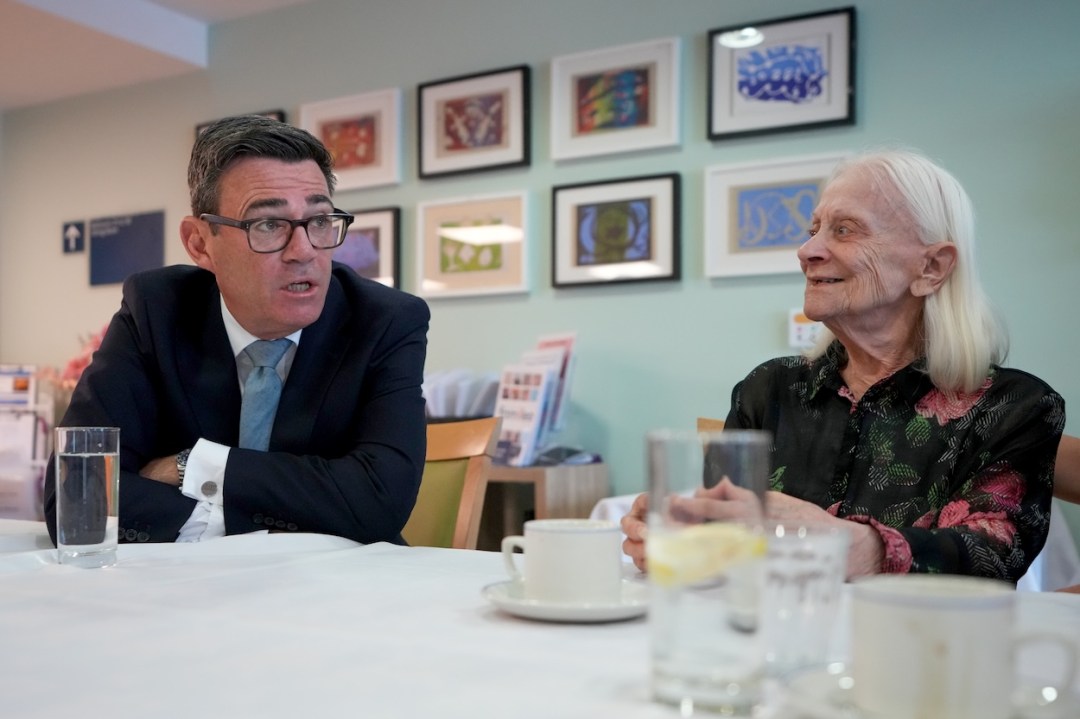
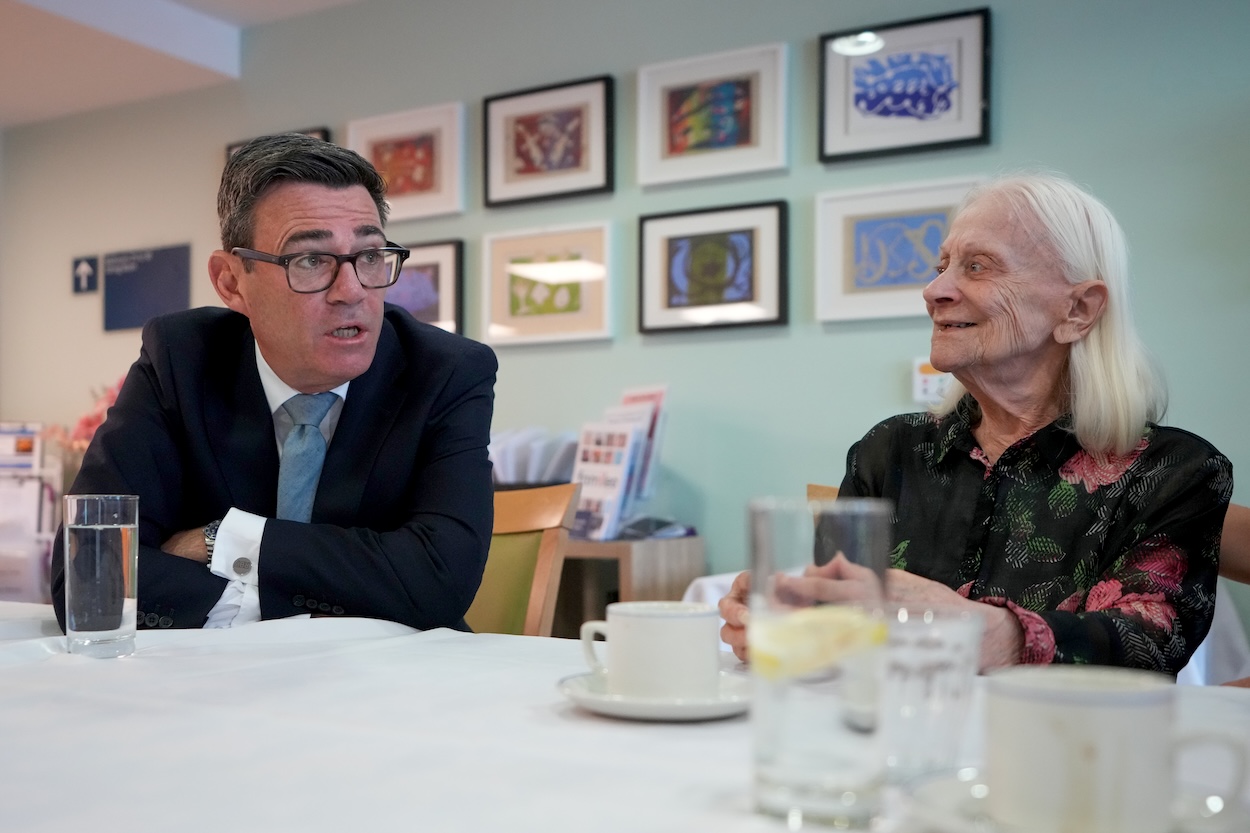
In a speech yesterday Andy Burnham promised that there will not just be ‘fair pay’ in social care but ‘bigger reform to improve the workforce’. He said that this could include a restructure to make pay work as it does in the NHS, ‘progression routes’ from care to the health service and even thinking about NHS and care ‘as one workforce’. This builds on the ‘fair pay agreement’ (FPA) which Keir Starmer’s government was working on, which is planned to take effect from April 2028.
Burnham said after his speech that much of this will be ‘possible within existing resources’ and without breaking the 2024 manifesto pledges to freeze income tax and national insurance. Leaving aside his other plans for social care, how credible is it to raise the incomes of 1.6 million workers in England without raising taxes?
The FPA is designed to help care workers collectively bargain with employers to raise their incomes. It is hoped that this will help some of the longstanding retention problems in the sector. The mechanism for doing this will be the Adult Social Care Negotiating Body (ASCNB), which will convene employers and trade unions to decide pay nationally.
Under the current system, a reasonable proportion of care workers are on minimum wage, currently £12.71/hour for those aged 21 and over. (In December, before April’s 50p minimum wage increase, 26 per cent of care workers were paid the minimum wage or up to 10p more than it.) If Burnham wants the ASCNB to function like the NHS’s similar system, the Agenda for Change, he will presumably want to bring the pay floor for care workers in line with the floor for Band 2 NHS workers, which would mean an increase to £12.92, implying an uplift of 21p per hour for all care employers still using the minimum wage.
From the emotional delivery of Burnham’s speech it seems unlikely that he will be content with such a small rise. He said that those who care for the elderly should be ‘the best paid people in society’. There are around 1.5 million people working in social care in England – presumably, he is not intending to pay them all footballers’ wages, so it seems more likely that Burnham and the Casey Commission will alight on the ‘real living wage’, which is currently £13.45 per hour and £14.80 per hour in London. The real living wage is set by the Living Wage Foundation, a campaign group with significant influence on the centre-left, and has no legal basis. The devolved governments in Scotland and Wales have already taken this action.
The Health Secretary Yvette Cooper has previously called for care workers to receive this level of pay as a minimum. And Burnham himself has a long history with the Living Wage Foundation. In 2021, Greater Manchester became the first city region to be recognised by the Living Wage Foundation by setting up a taskforce to meet a 2030 target for all employees to be paid the real living wage. By the time Burnham resigned as mayor he had managed to raise the number of accredited living wage employers from 384 to 890. Earlier this month, Living Wage UK praised his track record and said it would ‘look forward to continuing to work with him as Prime Minister’.
How much would paying care workers the Real Living Wage cost? The Living Wage Foundation, alongside the IPPR, published a report in 2024 estimating that it would cost £415 million to raise care workers’ salaries to meet the national living wage. They said then that the net cost would fall to around £330 million a year. Since this report was commissioned, the real living wage has risen by 85p, so the sums may have changed slightly, but it seems we are looking in the region of half a billion pounds a year. For that amount of money (give or take a couple of hundred million) we could abolish all prescription charges in England.
With characteristic twee the government has decided to launch a ‘Big Conversation on Care’
There is a bigger point here, about the problem of moving from mayor to prime minister. The Real Living Wage is something which can work in devolved areas like Greater Manchester, Scotland and Wales which largely exist to spend rather than raise money. In Scotland, Wales and Northern Ireland, there are no prescription charges. English taxpayers ultimately foot the bill for this largesse. Burnham left Greater Manchester with £1.34 billion in debt, up from £964 million when he took power, the highest of any combined authority in England. Now that he is prime minister, there is no distant national government which he can alternately demonise and demand money from.
But nothing is settled yet. With characteristic twee the government has also decided to launch a ‘Big Conversation on Care’, an online platform where the public can share their thoughts on social care. Public ‘consultations’ tend to involve people who don’t have anything better to do. But Burnham won’t give voters a real choice until 2029, so if you’d rather avoid yet another round of tax rises, click on the link to ‘make your voice heard’.




Comments