When the news of English cricket’s latest crisis first broke, it was tempting to laugh. It was as if reality had given way to satire. There was no faster or more comprehensive way to undermine months of earnest hand-wringing and contrition than for the captain to immediately bin off the new rules and go on a bender. Since then, the situation has become more emotionally complex. It remains fascinating, if that isn’t too ghoulish a word, to see cricket deal with a genuinely difficult problem where multiple truths exist simultaneously.
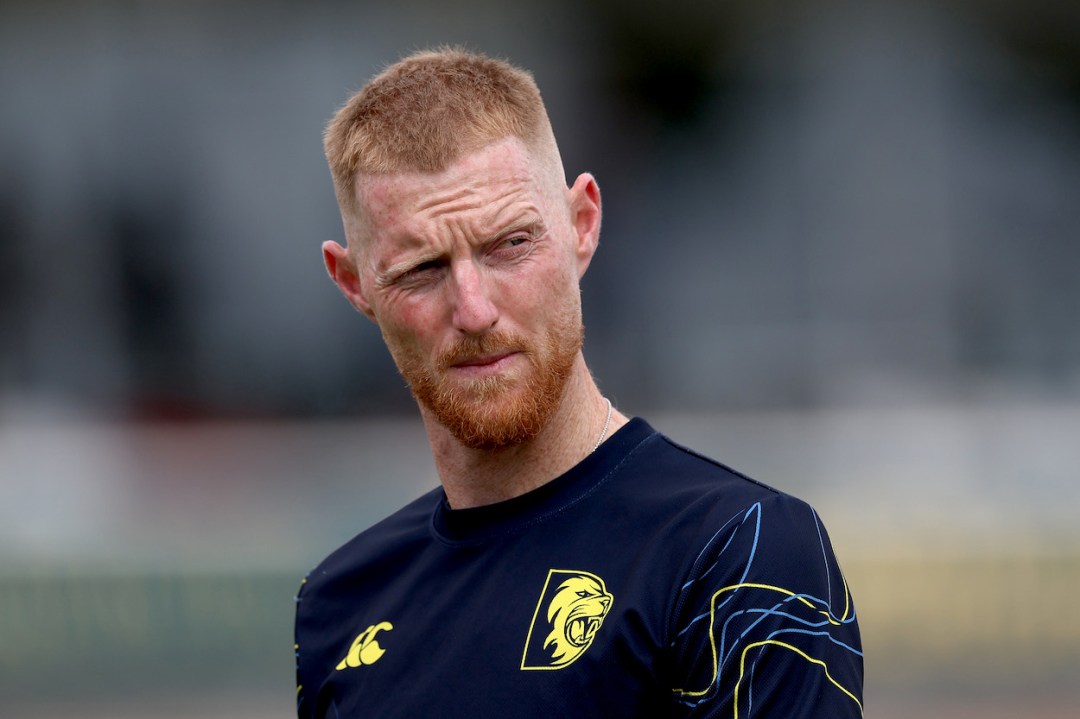
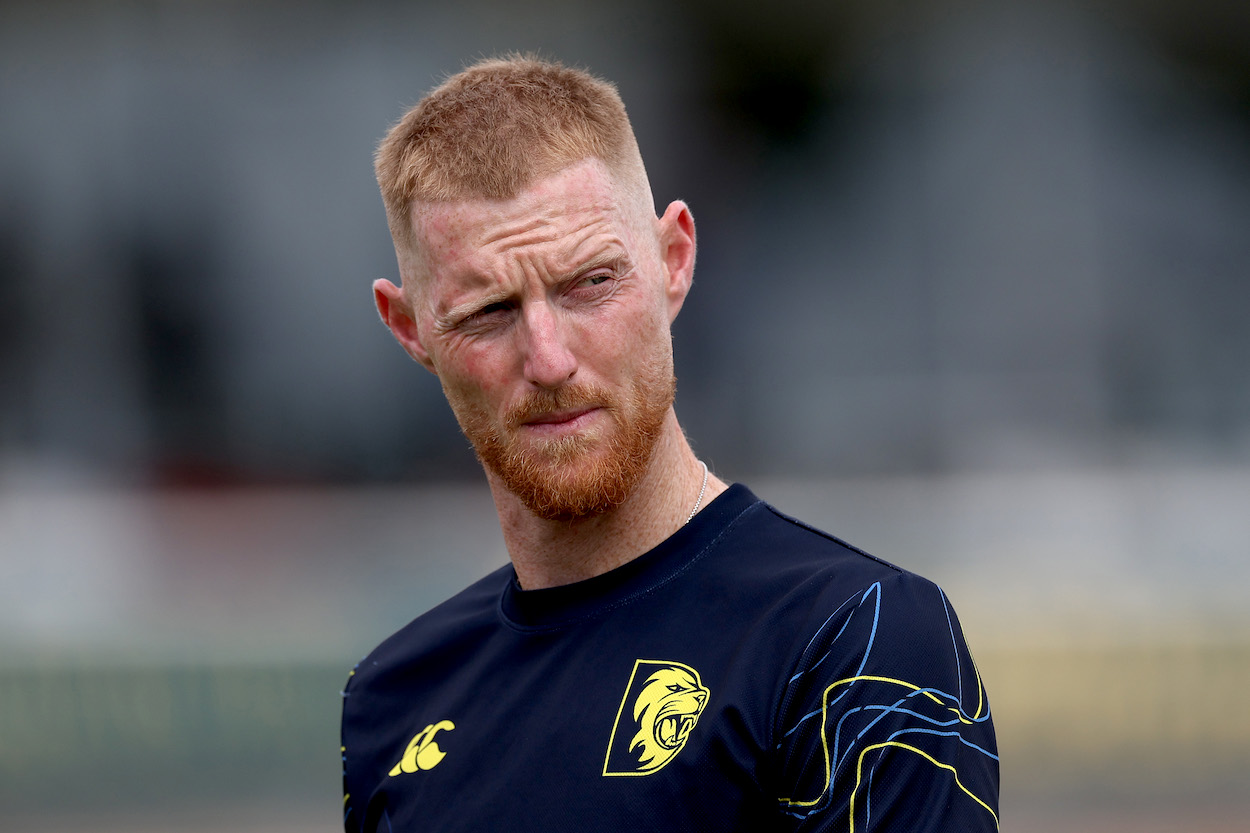
Here are a few things about Ben Stokes. He is a very good captain. His players enjoy his leadership. He was tactically out-thought by Steve Smith and Pat Cummins in Australia. He has enabled his players to take risks because they know he will take responsibility. His career has been interrupted by disciplinary problems. He signed off on the new team curfew. He is 35 years old. He has had to adapt the way he plays test cricket so that his battered body can cope with it. He immediately broke that curfew. He won England a World Cup. He said the aftermath of the Ashes series put him ‘in a dark place’. He suffered a horrendous facial injury in the nets in February. He led England to victory in their first test since the Ashes.
Both the team director, Rob Key, and the coach, Brendon McCullum, have said they were furious with Stokes when the news broke. The temptation to sack him on the spot must have been considerable. It is to their credit that they declined to act while their blood was up. McCullum described how his frustration has since given way to concern for Stokes’s wellbeing in language that was honest, respectful and welcome.
This is where we can see cricket showing some much-needed emotional maturity. I think everyone in the cricket press believed Stokes when he described the personal toll of the Ashes defeat. He has known difficult times before: the Lions tour in 2013, the brawl in Bristol in 2017, the death of his father in 2020 and missing the T20 World Cup in 2021. To be back on the field and captaining England to a win again probably required a big emotional release.
For a team sport, cricket can be a particularly lonely endeavour. The courage of Marcus Trescothick, Jonathan Trott and Steve Harmison in describing their struggles with their mental health while playing for England have all helped to shift the culture and understanding of the pressure of playing test cricket. Their experiences have fed into the compassion for his captain that McCullum showed to the press this week.
When Stokes next faces the media, he will give a full apology for his decisions
But this situation has been made significantly more difficult because of Key and McCullum’s own shortcomings. They failed to set appropriate minimum standards of behaviour for England’s tour of New Zealand and Australia last year. This has come back to haunt them. It meant that they could not excuse Stokes’ misdemeanour. Nor could they promote the vice-captain, Harry Brook, following his fracas with a night-club bouncer in November. Besides Joe Root, who naturally stepped into the breach, the only other member of the playing XI this week who has even 25 test caps is Ben Duckett, star of the ill-fated jaunt to Noosa. Everywhere they looked were the consequences of their own bad decisions.
Given the paucity of experience in the team and the impact of management failings, the most likely outcome of the Red Rooms affair is that Stokes returns to the squad soon. Sky has reported that he is likely to play in the third test against New Zealand next week. We know that when Stokes next faces the media, he will give a full apology for his decisions, and he will mean it. But English cricket also needs the same accountability from Key and McCullum. They have spoken with admirable honesty and compassion about their captain. Now they need to address their role in the circumstances that led to his humbling.






Comments