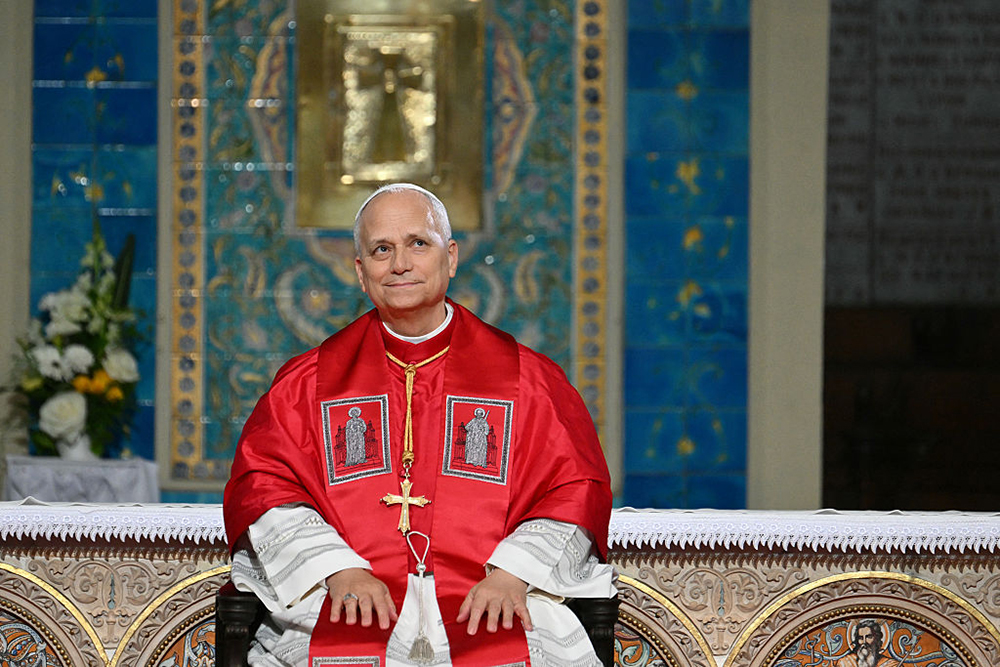
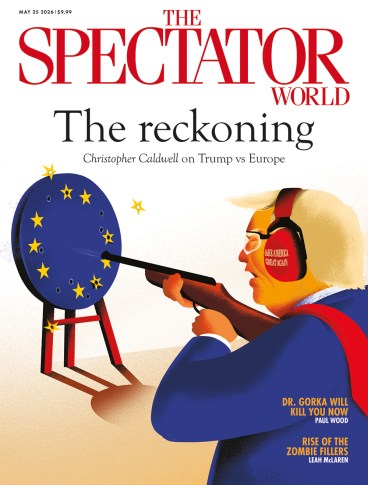
Pope Leo XIV had a relatively quiet first 11 months on the Chair of St. Peter. Then Mt. Trump erupted in April, with the voluble and volatile POTUS accusing the Chicago-born pontiff of everything from squishiness on crime to squishiness on Iranian nukes. The most absurd presidential claim was that, were it not for Trump, Robert Francis Prevost would not be Pope. The truth of the matter is that, had Cardinal Prevost been primarily thought of as an American papabile a year ago, he would never have been elected, Latin American opposition to a gringo Pope being one of the immutable human dynamics of a papal conclave. Twenty years of missionary work in Peru, and broad experience of the world church (thanks to two terms as prior general of the Order of St. Augustine), absolved Prevost of being a Yanqui, and his election proceeded apace.
In media terms, restoring orderly governance to the Holy See isn’t as titillating as the Pope being attacked on the oxymoronic Truth Social. But that’s been Leo XIV’s major accomplishment in the first year of his pontificate. Rome in late April and early May 2025 was a very edgy place. Pope Francis’s idiosyncratic and, frankly, autocratic style of governance had taken a considerable human toll on those who work in what Ronald Knox called the “engine room” of the barque of Peter. Two years living in Rome as head of the Vatican office that vets candidates for the episcopate had surely given Cardinal Prevost some inkling of this.
And so from the moment he stepped out on to the central loggia of the Basilica of St. Peter on the evening of May 8, 2025, Pope Leo has presented himself as a calm, steady hand who understands that the papacy has an institutional identity and integrity built up over two millennia – a tradition of which he is the servant, not the master. In the week after Francis’s death, denizens of the Roman Curia were saying, quietly, “we can breathe again,” and they’ve been breathing much more easily ever since. That doesn’t mean that all is calm and bright in the engine room or that various parties with vested interests haven’t tried to pressure Leo. It does mean that the human conditions for thoughtful governance of the world’s largest Christian community are being put back into place. And that is no small accomplishment.
Pope Leo has frequently said that his theological and spiritual lodestar is St. Augustine. The insight behind the most famous line in Augustine’s Confessions – “Thou hast made us for thyself and our hearts are restless until they rest in Thee” – has shaped the Christ-centeredness of his preaching and his recent series of general audience addresses on the Second Vatican Council. A month before Vatican II opened, Pope John XXIII gave a radio address in which he said that “the purpose of the Church is evangelization.” Not “paradigm shifts.” Not reinventing Catholicism according to the woke Zeitgeist, as most German bishops seem determined to do. Leo’s Wednesday morning audience addresses have made it clear that he understands the Council as an effort to renovate Catholic thought and practice so that the Church can better offer Augustine’s restless hearts a healing and ennobling encounter with the incarnate Son of God.
The great Augustine would not be so happy, I fear, with the way the just-war tradition he originated has been folded, spindled and mutilated, almost beyond recognition, in the debates over Mr. Trump’s Iranian adventure. Many parties in this rhetorical fracas seem to think the just-war tradition is here, peace is there, and between the two a great gulf is fixed. Which is exactly wrong. Augustine’s just war tradition sought to define the ways in which armed force could create the conditions for the peace that Augustine defined as tranquillitas ordinis: the “tranquility of order,” which today means a peace composed of security, freedom and justice. The end of peace, in other words, is what justifies the means of proportionate and discriminate armed force.
Had the White House, at the beginning of Operation Epic Fury, said its goal was an Iran safe for the Iranian people and safe for the world, a serious debate about the means to that entirely desirable and morally worthy end might have happened. But with the President seeming to move the goalposts every other day, and the Secretary of Defense talking like an over-caffeinated high school gym coach, no such discussion of how to get from here to there was possible. A democratic republic on the cusp of its 250th birthday should be able to do better.





Comments