The 1990s were great years. The economy was humming, the West could duff up any Middle Eastern dictator it wanted, and the arrival of Oasis and Blur meant the music press could convince us we were cool again. Parents didn’t think to question the idea that for their kids, things could only get better.

30 years later, I also don’t question it. My countrymen are now poorer than the average hick from Alabama, as well as every other state. Climate change is working its way through all four horsemen of the apocalypse. And while AI probably isn’t going to destroy humanity, your employer will replace you with a robot that has been programmed to spend half its time on acid.
All this is bad, of course. But at least my kids can enjoy much nicer playgrounds. I can only question how the taxpayer is affording this given I can’t even get my food bin replaced, but clearly somebody in charge thinks playgrounds are worth the expense. In my own backyard of Crystal Palace, the Dinosaur Park has been drawing in excitable grannies and their progeny since it opened in late March.
It’s the latest addition to an increasingly well-kempt park, funded by cash from the National Lottery and complementing the bougie high street that’s lately acquired the Guardian’s favourite bakery. All the classic features are there: swings, sandpits and huge slides, in large enough volumes to fit all the Sebastians and Eleanors from the nearby area.
Most impressive is the central climbing frame. This draws its design from the amusingly inaccurate pre-historic animal sculptures by the nearby lake, apparently knocked up by a few Victorians in the 1850s when a lack of expertise was no barrier to being allowed to have a go.
As a father of two small children, I’ve spent many hours in the playgrounds of South London pondering over how spoiled my kids are for good play areas. From Brockwell Park to Peckham Rye, this is one area of life where British kids may genuinely have never had it so good.
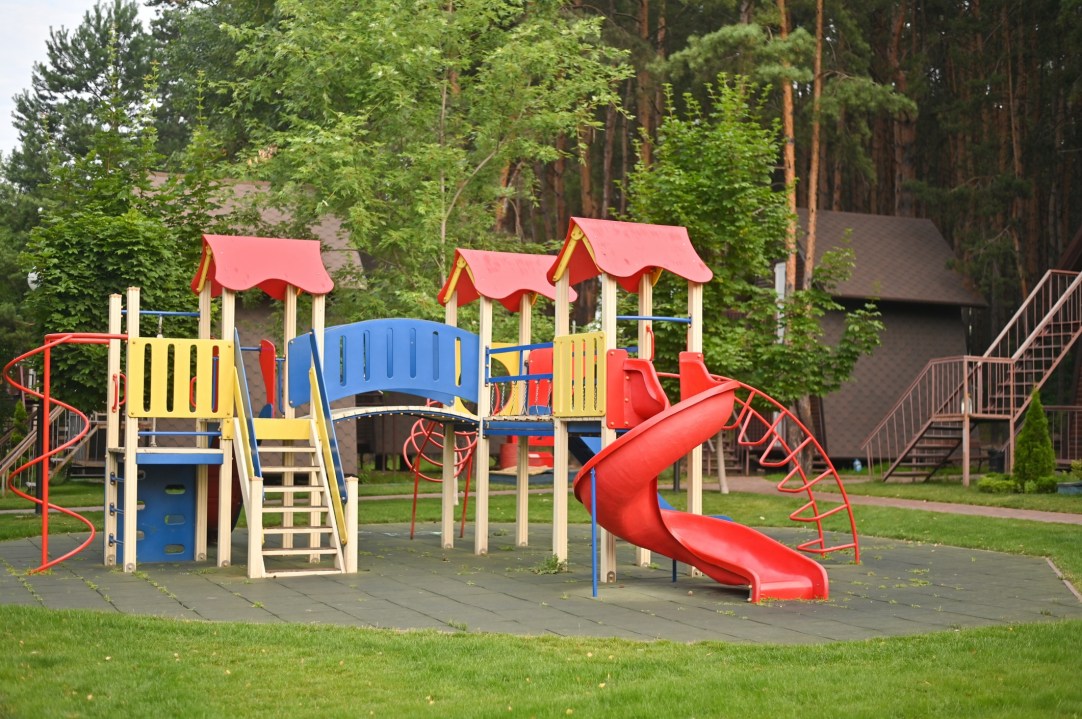
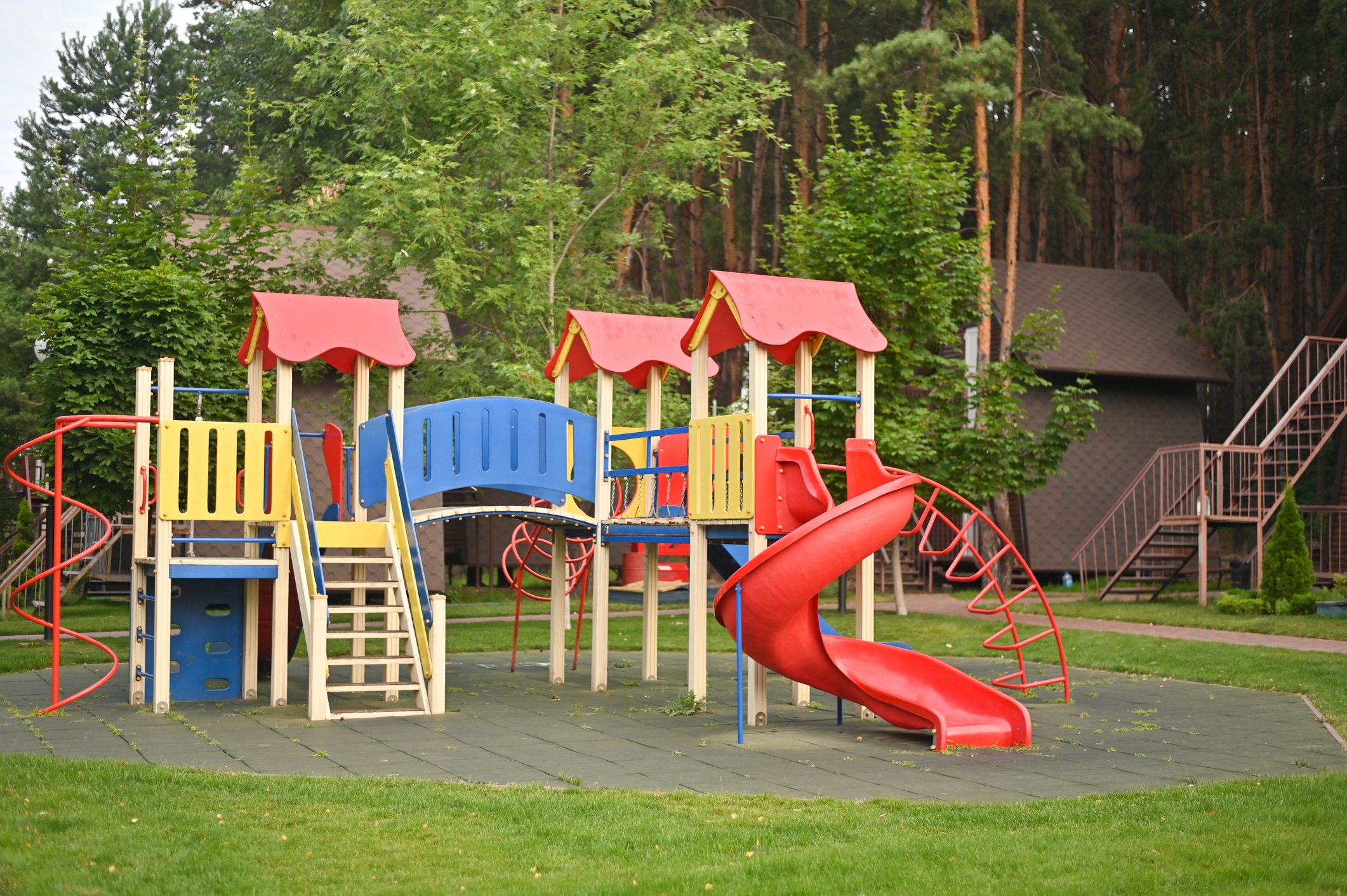
Back in my era, garishly-coloured metallic frames seemed to be all that was available. Remnants of these utilitarian structures still exist like the dinosaur fossils the Victorians couldn’t be bothered to consult, often with badly chipped paint and half the features removed. Despite this, some of them are actually rather functional, the possibility they might collapse under the weight of three decades only adding to the fun.
While such structures have been rusting in the Great British weather, things seem to have changed quite a bit in what is probably called ‘playground solutions’. Metal is out and wood is in, designs reminiscent of the first Donkey Kong game ditched in favour of extravagant sculptures and obligatory nods to local history, like the architects thought they were producing a limited-edition craft beer.
Pirate ships and other nautical fare are particularly popular, perhaps reflecting the unconscious knowledge among Britons that things were better when we were buccaneering on the high seas. And if an Englishman’s home is his castle, then his child’s abode will be a wooden fortress down the local park.
The array of walkways and rope bridges is not a 21st-century invention, but the ambition of some playgrounds makes you wonder if the architect wouldn’t have been happier running a ‘Go Ape’ centre. The ‘Giant L+XL & Mid Tower’ from playground supplier Kompan includes something called a ‘wackle bridge’, several slides and a movable hammock. Sure, it costs £162,000, but the website promises ‘severe fun’.
If an Englishman’s home is his castle, then his child’s abode will be a wooden fortress down the local park
More severity can be experienced at outdoor water parks, which despite being less ambitious than the conventional ones, are still nothing to sniff at. While I’ve dragged the sprogs to a few that have seen better days, some of the newer ones would look more at home in a fancy Butlins – though in a Butlins your child is probably less likely to start shivering after five minutes gallivanting amid the sprinklers.
Potential for neglectful parenting aside, it’s a far cry from the Dickensian entertainment available for children when playgrounds first arrived in Britain in the mid-19th century. Photos of these early efforts largely consist of malnourished kids dangling off some poles, with other shots suggesting the children have just been given some spare building materials and left to get on with it.
Playgrounds are no doubt safer than back in those days, though people will debate whether this is all to the good. Having to fashion your own castle while dodging bricks being hurled at you by local hoodlums is what my mum would have called ‘character building’.
My kids will no doubt have their characters built upon in other ways as they interact with the British state, but for now they can live with the blissful illusion that officials know what they are doing. For me, the boys and girls in playground procurement have earned their generous pension. And should the Ministry of Defence be listening, perhaps it would be worth seeing if they do tanks as well.





Comments