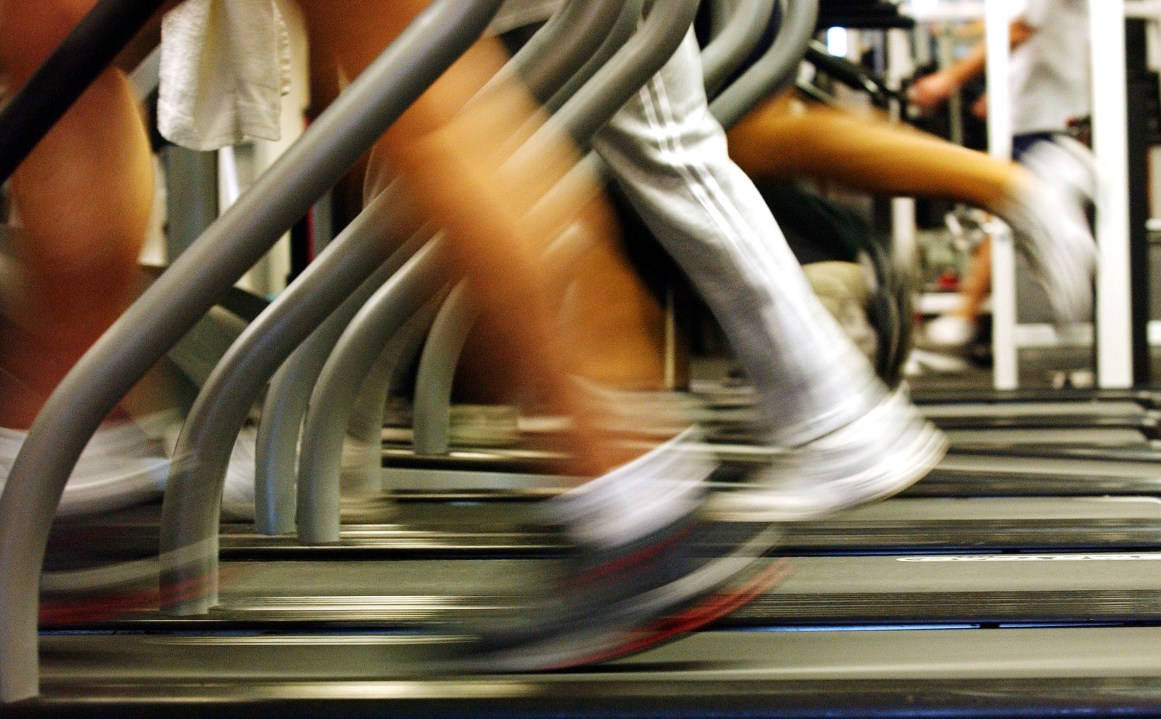
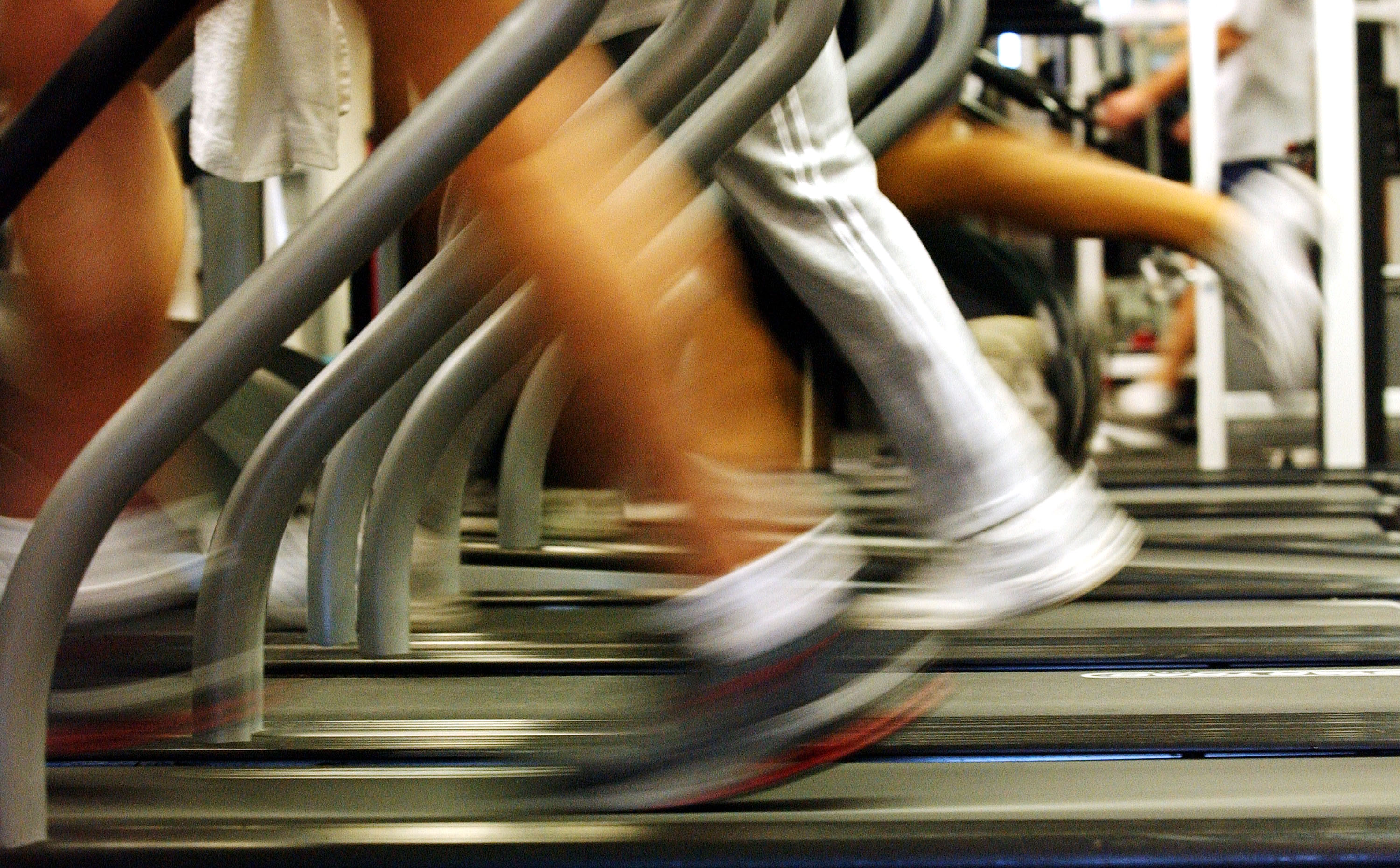
Life is riddled with things that impersonate something in a hideously disappointing way: the regret of Pepsi, the affront of the rail replacement bus and, for runners, the tedium of the treadmill.
They are one of the most tiresome inventions to scar this planet, offering a mind-numbing bastardisation of one of life’s joys. I’m a long-distance runner and I can run blissfully in the open air for hours on end but, on a treadmill, I want to give up after less than a minute.
Running in the great outdoors is a blessed experience. The air is fresh and cooling, the scenery keeps changing and nature is all around you. The birds are singing and the time passes in that dreamy, accidental way – like when you’re deep in a brilliant conversation. It’s glorious. We run not just for the body, but for the mind, as I explored in my book Running: Cheaper Than Therapy.
Treadmills are more likely to make you want therapy. The fresh air is replaced by air conditioning. The ever-changing scenery is swapped for the rotational hell of rolling news channels, transforming what should be an escape from life’s doom into a front-row seat in the carnage. The sound of birdsong is replaced by grunting weightlifters and personal trainers who shout ‘Come on, push!’ as if someone’s having a baby.
And if another runner is panting next to you, you can’t speed off and get away from them like you can outside. On a treadmill, you’re trapped beside them in a bizarre cardio marriage, panting in grim unison, bound together by sweat and poor life choices.
Yes, you’re technically moving on a treadmill, but you actually feel stuck and the miles never seem to pass. A run in the outdoors is a welcome respite from the tyranny of screens but a treadmill puts yet another screen right in your face and its numbers move forward only reluctantly. I’ve known minutes on a treadmill that contained entire chapters of regret.
Perhaps this doom shouldn’t surprise us because the treadmill has sinister origins. In the 19th century, it was used as a form of punishment – prisoners sentenced to hard labour were ordered to trudge endlessly upon it, advancing nowhere, achieving nothing and presumably reflecting on where it had all gone wrong. They’d probably be astonished to learn that, in the fullness of time, people would queue up and pay a monthly fee for the same experience.
Even Oscar Wilde endured a treadmill punishment during his time in prison, which feels like the bleakest possible episode of a niche reality show: Victorian Literary Icons Do Fitness. But at least he wasn’t splashing £52 a month for the experience.
There are some scenarios where the treadmill earns its keep. Winter can make pavements treacherous, and, as boring as treadmills are, broken legs are even more of a grind. For beginners, the treadmill offers a controlled introduction to running, free from hills, weather and the worries of overly energetic dogs or rogue swans.
And if you’re in outer space then I suppose a treadmill is your best option if you suddenly want to run. In April 2016, the British astronaut Tim Peake ran a marathon while aboard the International Space Station, finishing in three hours and 35 minutes. To deal with the microgravity, he was strapped to the treadmill with a harness and elastic bungee ties.
If you’re in outer space then I suppose a treadmill is your best option if you suddenly want to run
How do you know someone has run a marathon? They’ll tell you. How do you know if someone is about to run their fifth marathon? I’ll tell you. I confess that I’ve been using a treadmill as I prepare for next month’s big run because for my speed sessions and hill work, it’s a safe and convenient option.
There are ways to make the treadmill experience less painful. I save particularly gripping podcasts for treadmill sessions, which turn the experience into something more-or-less survivable. Interval training helps, too, by breaking the monotony into smaller, more manageable bursts. I’ve noticed that some friends even run on neighbouring treadmills and use the time for a good catch-up.
But ultimately, the question lingers: why would anyone choose this? When there are parks and riversides and winding paths waiting patiently outside, offering air and space and the gentle sense of freedom, it seems bizarre to choose the mechanical imitation. We’re humans, not hamsters.





Comments