‘If there is one thing I dislike,’ said P.G. Wodehouse, ‘it is the man who tries to air his grievances when I wish to air mine.’ His grievance was conversational, mine is nominative: I pity those with made-up names.
There was a time when names came from a modest catalogue: the Bible, aunts and uncles of fond memory, a wider culture that worshipped the royals. Maturity involves a conservative deference to tradition. One learns to presume that norms have more value than drawbacks: dress in an ordinary style, have the manners people expect – and bear a name that connects you to others.
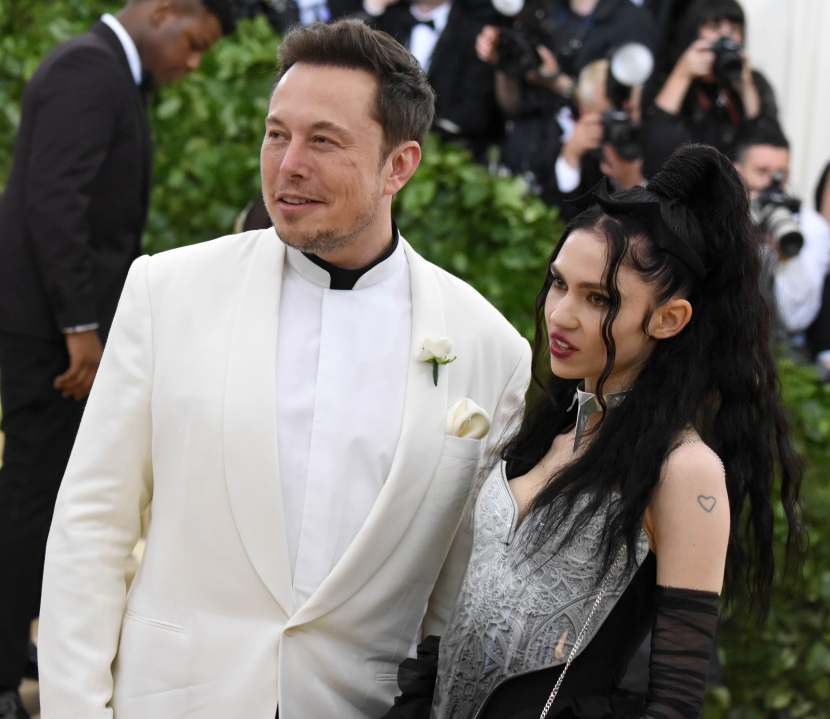
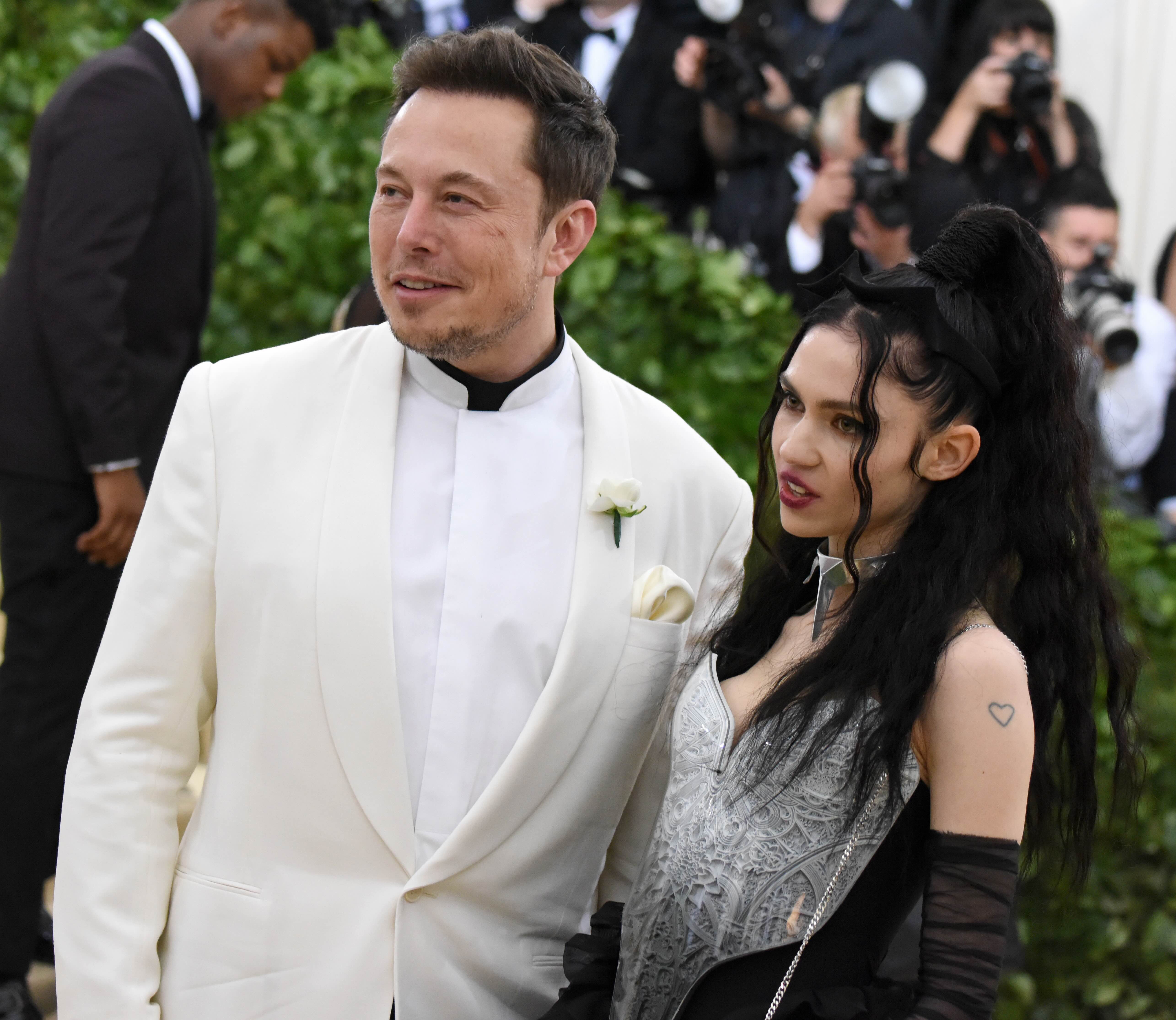
Beware any job that requires new clothes, said Thoreau. He meant coats and trousers but it applies to birth certificates, too. Yes, it’s nice not to be the same as other kids in your class, but what you want is a name that’s ordinary – that doesn’t draw attention to itself but leaves life up to you. A patient teacher will ask if it’s pronounced ‘Kai-lee-thra’ or ‘Kee-lee-thra’ but she’s grateful her own name is Anna. Were Grimes and Elon Musk pre-empting a teenage rebellion when they named their son X Æ A-12? (California law prefers letters, so the child became, less obtrusively, X Æ A-Xii.)
You can’t help feeling that the kid would be less encumbered as Dave. James would do. Or Samantha, for a girl. They leave you free to excel or to be unapologetically average. Mohammed, Britain’s most popular boy’s name, is so ubiquitous it scores high on conferring freedom to its bearers. Graham – one of Prince William’s joking picks for his firstborn according to a new biography – would be perfectly serviceable. Rodney, his second choice, drifts too easily to mockery.
The alternative, a made-up name, I find off-putting. Cedric was coined by Walter Scott, possibly from misspelling Cerdic. Arwen was invented by Tolkien. There are a few of both names around; I’m glad there aren’t more. Shakespeare’s Miranda and Olivia, and J. M. Barrie’s Wendy have done better, as has Jonathan Swift’s Vanessa. Time has approved them, and some inventions have come to seem normal. I doubt the same will be said for Cameron Diaz’s daughter, Raddix, or for any child who has to explain that their ‘q’ is silent.
Dress in an ordinary style, have the manners people expect – and bear a name that connects you to others
Readers glancing at the byline may, by now, be growing quietly suspicious. I was my mother’s firstborn. My brothers Ted and Matthew arrived later but perhaps there was a degree of first-child over-excitement. I have been in the unusual position of wishing my name were, as some people guess, Welsh, making its rolling vowels less of a clerical error and more an act of Celtic patriotism. Dim o’r fath, as my forefathers didn’t say. No such luck.
My father, who became a primary school teacher and I suspect an excellent one, made his living as a cleaner. Toilets, my mother said. That has a pleasing eccentricity and I am so far from being embarrassed as to feel pride in having been born to a man who was not afraid of supporting his family with work all the more honourable for being so unheroic. He had, however, other ambitions. He wanted to be a philosopher, and to name me after his favourite, Gottlob Frege. Instead he had a son who never quite managed German philosophy because, as he was not the first to find, cheerfulness kept breaking through.
Being Gottlob in Kilburn, my mother concluded, might be challenging. She shuffled my father’s name, Andrew, and dealt out Druin. Had I been born a girl, she had a more feminine spelling up her sleeve. I shall not be elaborating. My father resented neither his son’s name nor my absolute indifference to analytical philosophy.
I got my pick of email addresses – an advantage my parents could not have foreseen. However, the incompetence of my workplace, the NHS, is such that I was granted one beginning druin.burch7 after six locked attempts that still haunt the hospital servers. I escaped being bullied for my name because it defied easy caricature. The humorous potential of ‘druid’ never lasted, and autocorrect wasn’t around to suggest ‘drain’, although I appear that way on a letter to The Lancet.
I shall never be David – who was called a man after God’s own heart. But while algorithms red-line my name as a typo; eventually, they learn it’s mundane. Perhaps it goes to show, our childhoods belong to our parents; our names belong to ourselves, and we to them. Perhaps none of us regret our names, not even X Æ A-Xii, unless we regret ourselves. Or those who named us.



Comments