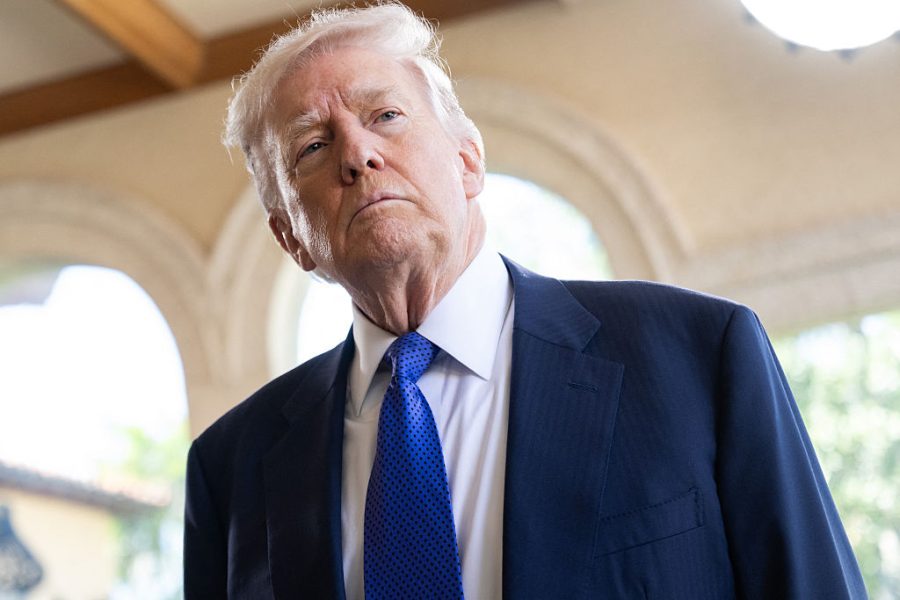
When President Donald Trump hurled abuse at Colombia’s President Gustavo Petro last month, branding him a “sick man who likes making cocaine and selling it to the United States,” it was strikingly audacious. Trump leaned into bombastic provocation: there is no evidence to suggest Petro himself makes cocaine. And yet, Trump’s claim didn’t come as a shock – the two leaders have spent the past year locked in a volley of barbs with one another.
Petro, Colombia’s first left-wing leader, likes to fire back with ideological, often sermonizing lectures on imperialism and US hypocrisy. But tangled up in the rancorous exchanges – many of them about drugs – is a stubborn fact: Colombia is the world’s largest producer of cocaine. With the US a primary destination for the drug, Trump wants less of it to be produced and fewer drugs in general to cross the border into America. It is this issue which is likely to dominate when these two unpredictable, ideologically opposed leaders meet in Washington today.
Perhaps an exchange in person rather than online or in speeches will dampen the verbal fireworks between Trump and Petro – or they could explode into an eccentric display of political theatrics. Whatever the outcome of today’s meeting in the White House, and even if they emerge declaring themselves newfound amigos, Petro cannot give Trump what he wants. Colombia’s cocaine production will not stop anytime soon – and neither will the flow of drugs to the US.
Consumption in the US remains strong and is expanding across the globe
Globally, around 25 million people use cocaine every year, and Colombia supplies nearly 70 percent of it. Trump has singled out Petro – a former guerrilla fighter in his younger days – as a convenient political target, accusing him of running “cocaine mills,” in part probably because of his open defiance of Washington. Petro even stated last month that he was ready to take up arms again if the US launched military action in Colombia following veiled threats from Trump.
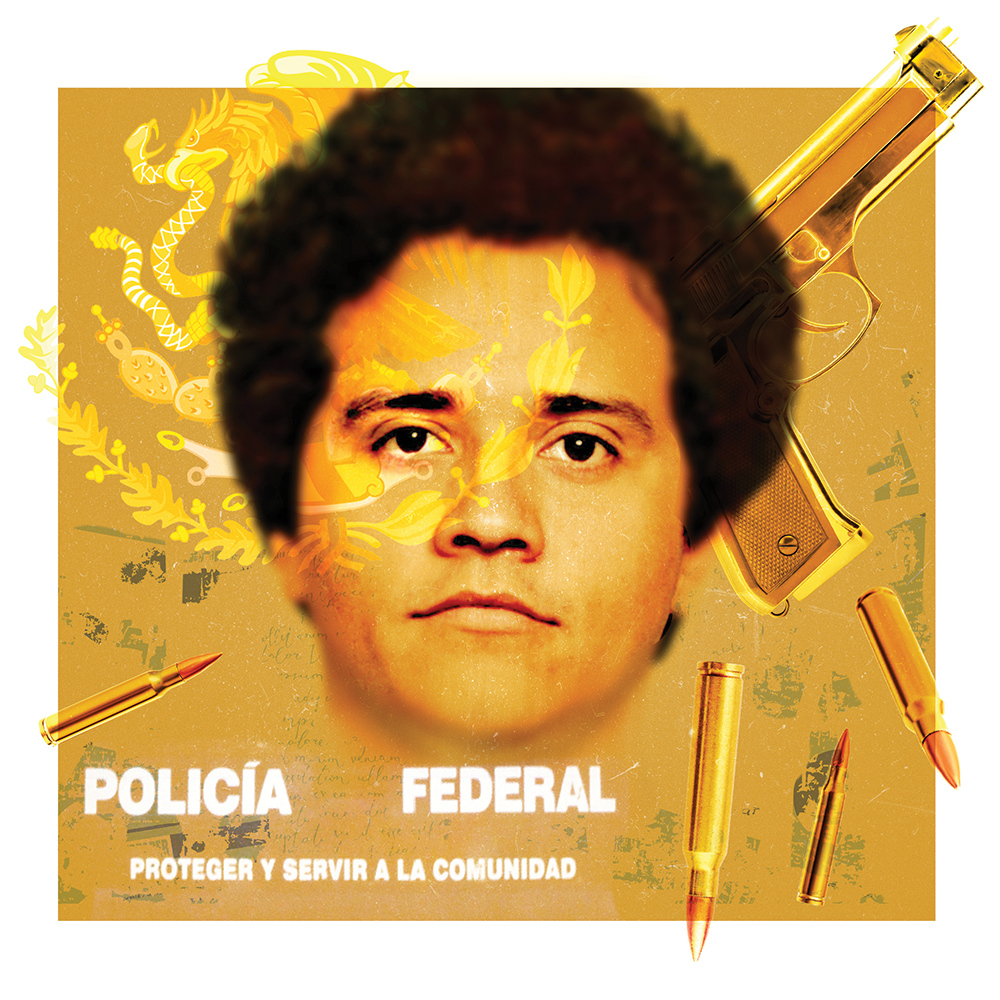
While the barrage of criticism targeted at Colombia from the White House is relatively new, the scourge of cocaine in the country isn’t. For decades, Colombian governments relied on hardline military strategies, targeting traffickers and small farmers who grow coca crops, the leaves of which are the raw ingredient for cocaine. But the problem persisted — and coca and cocaine kept coming back.
Petro has continued operations against major traffickers, boasting record cocaine seizures and more than 700 extraditions to the United States since 2023. He has also promoted voluntary substitution programs for coca plant farmers – yet coca cultivation remains the highest it’s ever been. Last year, the US decertified Colombia as a partner in the fight against drugs, a symbolic blow that further strained relations.
Last year, Petro also claimed that “cocaine is illegal because it is made in Latin America, not because it is worse than whisky” and floated the idea of legalization. As a result, some – including Trump – question how serious he is about tackling drugs.
But beneath the Colombian president’s eccentric rhetoric lies a more substantive point. He’s not saying cocaine is benign, but that the illegal cocaine trade devastates Colombia far more than the US, fueling a multibillion-dollar economy that sustains armed groups and entangles rural regions.
The 2016 peace deal between the Colombian government and the guerrilla Revolutionary Armed Forces of Colombia (FARC) ended decades of war, but it did not dismantle the country’s coca economy. In fact, it grew, as dissident factions and new groups moved in to fill the vacuum. Petro has tried negotiating with FARC and other armed groups under his “total peace” plan, but the cocaine industry remains strong. He cannot even stop its production at home, let alone its flow to the US.
Aside from this, though, Trump and his continued pressure on Colombia seem to miss the core driver behind the country’s cocaine industry which lies beyond Bogotá’s reach: demand. Consumption in the US remains strong and is expanding across the globe. Petro’s term in office runs out in August, but whoever succeeds him as president will have just as little control over how countries consuming Colombia’s cocaine address drug use – be that through treatment, regulation or punishment.
So as long as consumers keep demanding cocaine, Colombia will keep supplying it. For drug traffickers and cartel bosses, it’s a lucrative income. For the coca farmers themselves, the crop is hard to beat. It provides a more reliable living than legal crops which require more time, decent roads to transport them, and markets to sell them in.
And yet, while the drug trade poses real challenges, Petro has become a political punch bag for Trump. The row between the two over drugs merely provides a convenient lever.
Trump thrives on leverage and submission; Petro is one of the least inclined leaders in the region to offer either. Petro’s public challenges – over the treatment of Colombian migrants on deportation flights to America, the US’s bombing of alleged drug boats in the Caribbean and Pacific, broader foreign policy issues such as Venezuela and Palestine, as well as deepening ties with China – don’t align with Trump’s expectations. What’s more, the capture of Nicolás Maduro in Venezuela reminded Bogotá that Trump’s threats can translate quickly into action – even more worrying given Trump warned Petro that he too better “watch his ass.”
While Trump says he wants less cocaine making its way into the US, he also wants more power, praise and obedience. Unless Petro is willing to pander to the President in ways he has consistently resisted, even small conciliatory gestures will not satisfy Trump for long. The cocaine will keep flowing – and, most probably too, so will the verbal sparring.



Comments