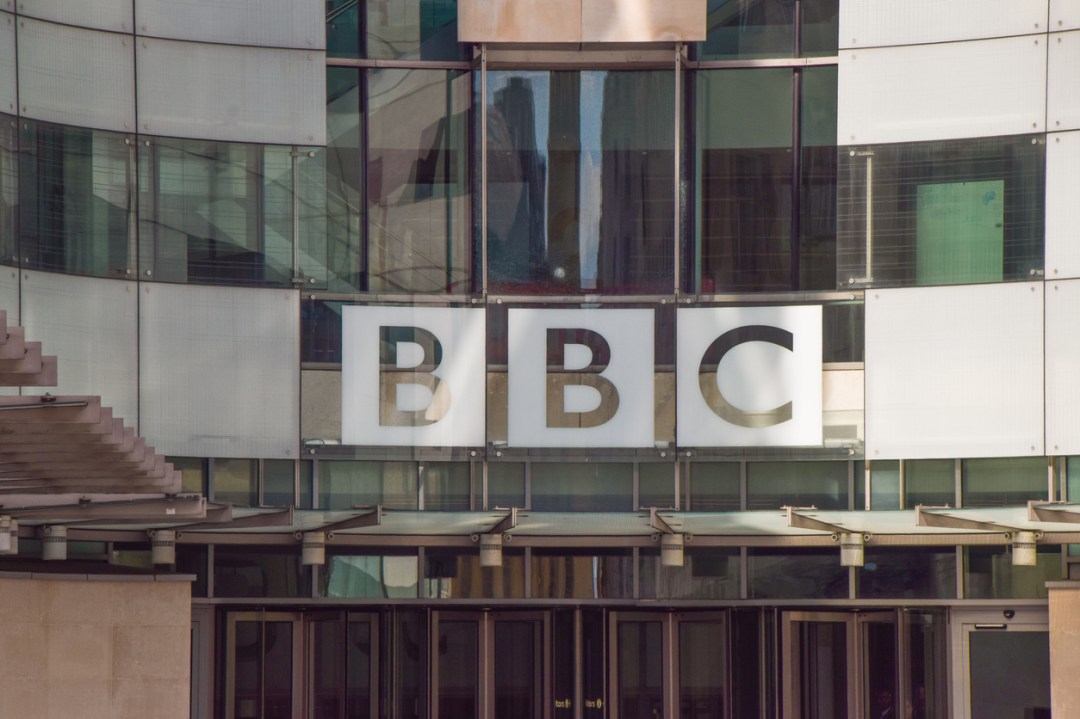
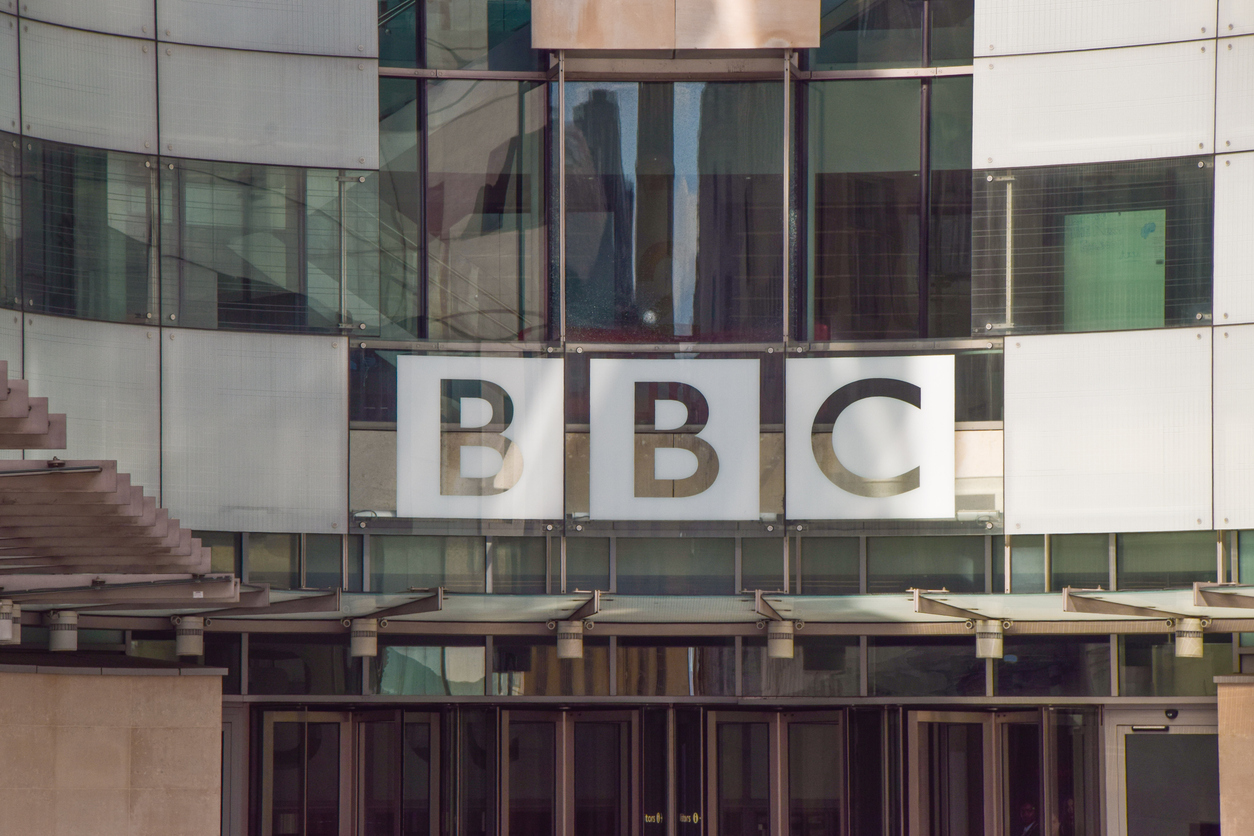
According to the Times, the BBC – strapped for cash as millions more stop paying the TV licence, and struggling to compete in a world dominated by high-gloss American ‘content’ – is brainstorming a portfolio of wizard wheezes to replenish its bank account. One of these, quite incredibly, could be the return of the radio licence. ‘BBC bosses are considering a new way of funding the corporation, which would result in people having to pay the licence fee to listen to any of its radio channels or use its news website.’
Here’s a wild idea. Maybe – just maybe – it would be a good idea to create programming that doesn’t routinely insult and abuse its audience, and then bill them for the pleasure?
This may not be quite – not quite – as nutty as it first appears. The government is committed to switching off the good old-fashioned analogue radio signal completely before 2030. So, technically speaking, when FM is gone, digital-only channels could be paywalled in a similar manner to music or TV streaming services.
But still, the return of a licence for radio seems like a bizarre backward step. Presumably, those who eschew the BBC’s audio offerings will be hounded by the same kinds of snarky letters that bedevil those of us who’ve binned our TV licences but who still have the sheer effrontery to possess a TV set. It is quite incredible that this model persists, decades into the multi-platform revolution; that you are forbidden to watch live television broadcasts – on any channel, from ITV to Dave Ja Vu, from Cartoon Classics to Babestation – unless you pay the BBC for the privilege. If the BBC get their way, the digital ‘airwaves’ could follow suit.
The radio licence was abolished exactly 55 years ago this month. Why stop there? Bring back other things that we haven’t heard of since February 1971 – like ‘The Pushbike Song’, bubble TV sets and the curly crop.

The green paper on broadcasting issued by Culture Secretary Lisa Nandy in December talks of the BBC’s ‘sustainability challenges’, after millions more former customers have dumped it. A variety of alternative methods for getting the cash flowing again are mooted, but ‘make better shows’ seems not to have occurred to anybody. It is taken as read that the BBC’s content is so spiffing that only varmints and vagabonds would turn it off and are probably consuming its wonders on the sly.
Here’s a wild idea. Maybe – just maybe – it would be a good idea to create programming that doesn’t routinely insult and abuse its audience, and then bill them for the pleasure?
I don’t think people under 30 can possibly understand what the BBC meant before it fell to progressivism, and started to agitate, to goad and to socially engineer. The slow – and then very sudden – replacement of the old BBC by the hectoring polytechnic lecturer version of today was a grotesque act of cultural vandalism. The BBC’s news and its high-end drama always had a progressive bias, but around the early 2010s that started to infect its entire output; delightful former frivolities like Agatha Christie adaptations, comedies and even quiz shows became riddled with transparent progressive propaganda, daring you to object and out yourself as low-status.
True enough, the BBC was not alone in this among the institutions. This period has also seen body-snatched versions of other formerly reputable bodies, from Amnesty International (ignoring politically incorrect causes) to the NSPCC (steering children towards gender transition). But the BBC going with the flow was worse, because one of the reasons for its bizarre and archaic funding model was precisely to guard against ideological conformity and infiltration. Younger readers will find it hard to credit this, but the BBC was – and not so very long ago either – the sane centre of British culture.
Much was written recently about the ten year anniversary of the death of David Bowie, and the memes that suggested he was the fulcrum holding the country together. But for me, Terry Wogan – who died a few weeks later, ten years ago last weekend – was the actual Great Tent Peg. Wogan was the distilled essence of the old BBC; he was, indeed, hardly ever off it. Diffident, slow to anger, amused and amusing, gently sceptical, slightly cheeky, unshowy and unsentimental – Wogan embodied all the old BBC’s, and all the old Britain’s, best qualities. And he wasn’t even British.
We are all creatures of our own ages, but it’s very hard to contemplate a world where Wogan and the great imported American manias and witch hunts of the 2010s and 2020s – MeToo, BLM, genderism, lockdowns and Palestine – existed side by side. He would have mocked them, and voided at least some of their power. The old BBC would have done the same; instead, they jumped at all these vampires gleefully, positively dragging them over their threshold.
Back to the Times, and more of those harebrained schemes to regenerate the BBC, death throes branded as renewed vigour; ‘Another change being considered is to extend the licence fee so viewers would have to pay it even to stream shows only on external services, such as Netflix or ITV … or a model in which wealthier households are charged more, so that other families could then be charged a lower amount.’
This is agonising, like watching doctors pointlessly extending the final days of a coma patient after all hope is gone. Only the machine of the licence fee is keeping the BBC alive. Unplug it, and let our old friend slip peacefully away.


Comments