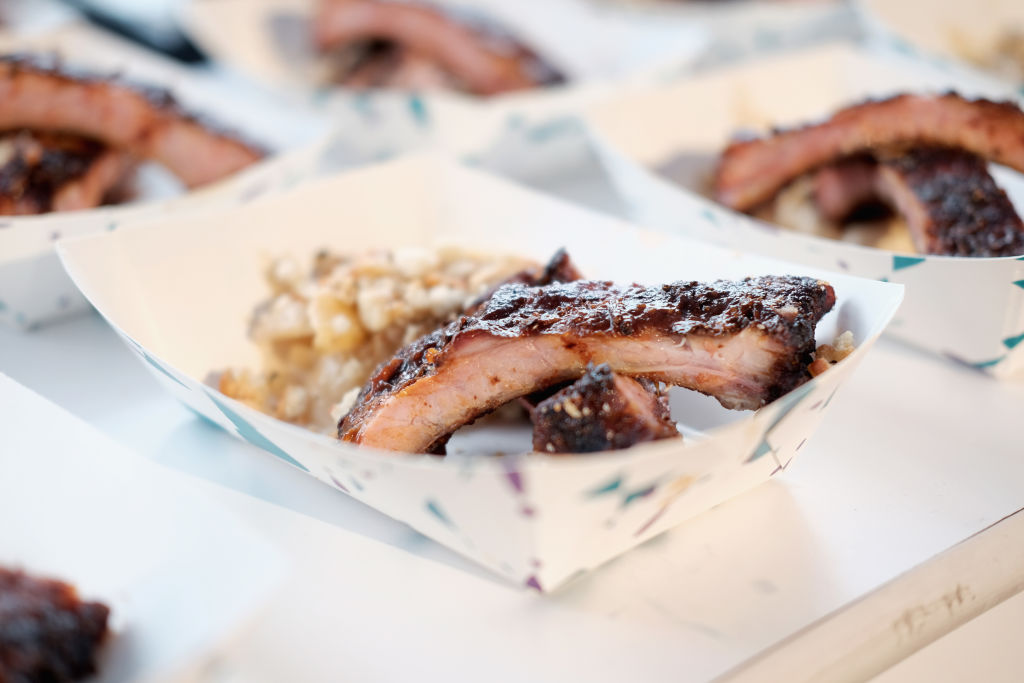

Some 25 years ago, I walked into the University of South Carolina library to check out a book on the history of barbecue. I had just finished a PhD in American literature, but had become more interested in culinary history. I had also taken to driving the state’s backroads, seeking out old-school barbecue restaurants. Researching the history of barbecue seemed the perfect next move.
To my surprise, no one had published a book on the subject. The most that had been written about pre-20th century barbecue were a few sparse paragraphs in larger works on food history. I ended up having to write one myself.
It took a while. The first edition of Barbecue: The History of an American Institution was published in 2010. By that time, I had moved to Charleston, started a food blog just as the city’s food scene was gaining national attention and ended up writing restaurant reviews for the City Paper and later for the Post and Courier, the local daily.
The American barbecue landscape looked very different back then. For starters, it was still highly regionalized. Until I moved from my hometown of Greenville, South Carolina, to Columbia for graduate school – a trip of 100 miles – I had never encountered the Midlands’ unique yellow mustard-based sauce, nor its iconic hash and rice. I had read about Alabama-style white sauce and Texas-style brisket and hot links, but I’d never tasted them. Beef was rarely found in a Carolina barbecue joint – and when it was, you wouldn’t want to eat it.
Researching barbecue history in 2001 felt like chronicling a dying art. Barbecue had all but disappeared from the restaurant landscape by the 1980s, squeezed out by low-cost fast-food chains and shifting consumer tastes. The joints that remained had mostly switched to cooking on smokeless gas-fired pits, and too often the side dishes were afterthoughts, frozen French fries or beans dumped from a can.
By the time my history was published in 2010, though, it was clear that barbecue not only would survive but was enjoying a remarkable renaissance. Food shows on cable television had sparked a renewed interest in old-school restaurants and live-fire cooking. The competition circuit was booming, and a wave of cookbooks and internet forums were teaching a new generation how to barbecue and, in the process, blurring old regional boundaries.
In the aftermath of the 2008 financial crisis, Americans were eager for simpler, more traditional styles of dining. A new wave of restaurateurs, many drawn from the ranks of out-of-work home builders and classically trained chefs, decided to try their hands at barbecue, bringing a wave of energy and creativity to a formerly hidebound industry.
In 2014, Southern Living recruited me to be its contributing barbecue editor, a freelance role that largely involves driving around the South, eating barbecue and writing about it. (It’s a tough gig.) I lucked into a tableside seat just as the boom really started.
Texas-style beef brisket marched first across the South and then took over the entire nation. Now Carolina-style whole hog and hash are making incursions into Texas, and diners from Boston to Los Angeles are slathering Alabama white sauce on smoked chicken wings. American-style barbecue is being embraced around the world, too, with craft joints serving pulled pork in Paris and brisket in Bangkok. American pitmasters, in return, are embracing global flavors – tucking smoked pork into bowls of noodles, lacing sausage with sofrito, glazing ribs with gochujang.
That brings us to this column, which I’ve signed on to write each month for The Spectator. Though it will sometimes have a historical angle, the focus will be on exploring the current American barbecue scene and how it continues to evolve.
We’ll probe the stubborn appeal of brisket, that invasive species from Texas that spread like kudzu across the country. We’ll check in on what’s happening at barbecue restaurants as well as in backyards, as more home cooks try their hand at the grill and the smoker. We’ll explore the intersection of American barbecue with global flavors and ponder the limits of such fusions.
There’s plenty to explore, even here in the winter. For some reason, most publications only run barbecue features during the brief window from Memorial Day in May to Labor Day in September. Perhaps because I’m from the South, where the weather is insufferably hot during those months, that seasonality never made sense to me.
What better time to stand beside a blazing fire than when it’s good and cold outside? Or to explore America’s iconic barbecue stews – Brunswick, burgoo, hash – which are as warming and comforting as they are tasty? If nothing else, it’s the ideal time to hone new techniques and fine tune recipes in advance of spring barbecue season. So, stay tuned. We have much to chew on in the months ahead.
This article was originally published in The Spectator’s February 2, 2026 World edition.





Comments