14-3
Israel’s dilemmaSir: Jeffrey Goldberg (‘Israel isn’t bluffing’, 10 March) is probably right, but if Israel does attack Iran, they are in a no-win situation. Iran is a large country some distance away. One or two bombing missions will have little effect — look at the weeks it took for Nato to degrade Libya’s defences. Either Israel fails, in which case that leaves it in a weak position, or else it succeeds in bombing Iran into submission, in which case Russia will have to upgrade Iran’s defences, probably helped by China, because an Israel so strong it could dominate the entire region would be unacceptable.
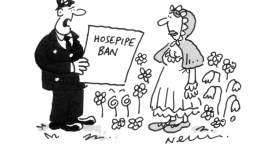
Heated debateEric Joyce, MP for Falkirk, was fined and given a community order for butting a fellow MP in a Commons bar. Which countries’ national and regional assemblies are the most violent, according to the number of videos posted online over the past four years? Country Number of fightsUkraine 6Taiwan, South Korea 6Italy, India 3Russia, Somalia 2Argentina, Germany, Georgia, Israel, USA 1 Source: parliamentfights.wordpress.com On tapRising water bills have not resulted in enough investment to prevent a hosepipe ban. Are water bills higher in places with less rainfall?
HomeDavid Cameron, the Prime Minister, on an official visit to the United States, joined President Barack Obama in declaring that their relationship was not just special but ‘a unique and essential asset’. The Queen began her Diamond Jubilee tour of the United Kingdom at Leicester, with the Duke of Edinburgh and the Duchess of Cambridge. George Osborne, the Chancellor of the Exchequer, put his mind to new government bonds of 100 years or more. In the face of government proposals to introduce marriage between people of the same sex, the Archbishops of Westminster and Southwark wrote a joint letter read out in pulpits about the Catholic ‘duty to do all we can to ensure that the true meaning of marriage is not lost’.
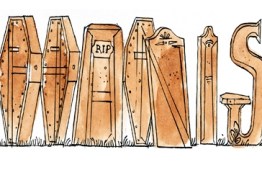
If an inquiry were to be launched into the excesses of the dentistry profession, it would not be conducted by a body made up entirely of dentists. You wouldn’t put a team of journalists in charge of the Leveson inquiry. Why, then, was Nick Clegg allowed to appoint a commission on a bill of rights — the body charged with reviewing Britain’s membership of the European Court of Human Rights — made up almost entirely of lawyers, and human rights lawyers at that? Was there ever any doubt that lawyers would argue for more complexity, and a system which protects their power? Almost every day in government, ministers are told they cannot make decisions because something or other is illegal under European law. It’s become the standard gambit, used to end discussions.