Tali Fraser

Tali Fraser

Tali Fraser is The Spectator's commissioning editor and writer-at-large

Three hours to prepare for a local lockdown

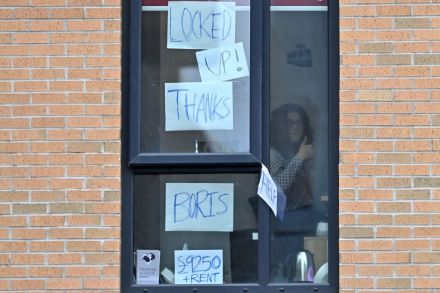
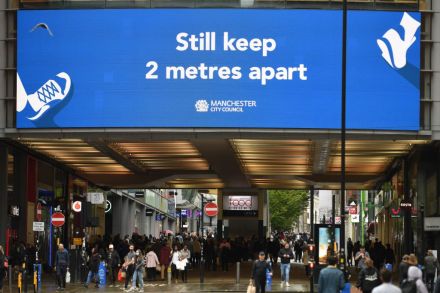
My weekend plans have been ruined by Matt Hancock. The government has announced new lockdown restrictions for over four million people – banning separate households from meeting indoors – in Greater Manchester (where I live) along with parts of Lancashire and West Yorkshire. What does that mean in practice? When announcing the lockdown on Thursday evening, the Health Secretary tweeted that ‘people from different households will not be allowed to meet each other indoors’, which sounds pretty rudimentary. But would this mean we go back to working from home; that spaces like pubs and restaurants would be closed even if you only visit with your household; could a cleaner come around? No one in Greater Manchester knew.

China’s ambassador has no answer to the treatment of Uighur Muslims

When Liu Xiaoming agreed to come on the Andrew Marr show, he ought to have expected that – as the Chinese ambassador – he’d be asked about Uighur Muslims. He doubtless came on to bemoan the Huawei decision. But as anyone with a social media account could have told him, video footage of people with their heads shaved, blindfolded, kneeling, handcuffed, being forced on to trains have been circulating widely for days now. It was fairly obvious that the subject would come up. Marr didn’t just raise the topic, he screened the video. The ambassador seemed flummoxed.

Has the abuse of ‘test and trace’ started already?

I was followed three times in five days by men I didn’t know. During a pandemic – at any time, really – you would think they would have something better to do. They made gestures, shouted, catcalled, but I managed to lose them each time, partially because they had none of my details. They didn’t know my name, my number or my address. But what if they did know that information? What if they had been working at a bar I had gone to with friends and given my contact details over, for test and trace. That was the experience of one young woman this week. Shortly after she went to the pub, she received a message online by the bartender serving her.

The point of protest

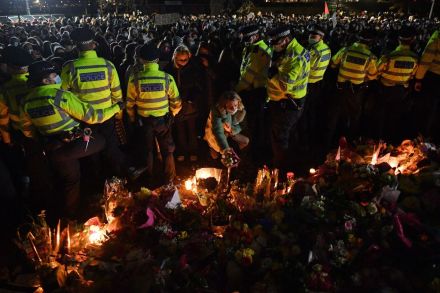
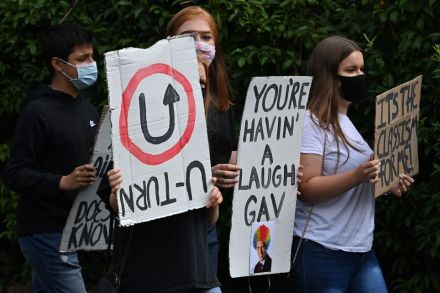
The protest in Manchester today was supposed to be static and socially distanced. While that may not have worked out so well – leaving me somewhat yearning for Israeli efficiency as seen in the protests against Netanyahu – it was still a success. The vast majority were wearing facemasks and those who quite clearly wanted to distance were respected. The protest was peaceful (as far as I could tell). Police kept a respectful distance and protesters continued their respectful behaviour. For that reason, it might not get much coverage: you’re more likely to read about those who deface monuments or confront the police. But to focus on them, now, is to miss a bigger point.But why was I there at all? Why would anyone in Manchester protest against injustice in America?

Why are Britain’s Jews being so hard hit by coronavirus?

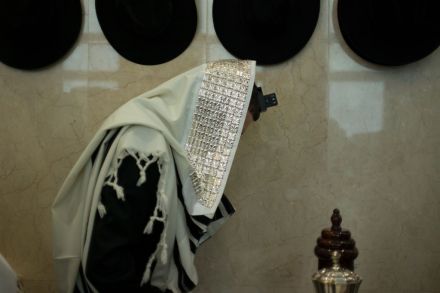
The Jewish community is preparing to celebrate Pesach, the festival which marks the exodus from Egypt following the ten plagues. But we now find ourselves wondering if we ought to worry more than others about an 11th plague: coronavirus. Jewish people represent over three per cent of the UK’s total coronavirus deaths, according to figures collated from Jewish funerals by the Board of Deputies for British Jews. This may, at first glance, seem a small number – but as the Jewish community represents only 0.5 per cent of the UK’s population, it suggests Jews are six times more likely to die from the virus. Why might this be? One theory is that old habits die hard. Muslims, Jews and Christians have been asked not to gather together while the virus is rife.

Streatham terror incident: what we know

A terrorist recently released from prison has been shot dead by undercover police in Streatham, south London, after stealing a kitchen knife from a shop and stabbing three people, one of whom one is in a critical condition. Sudesh Amman, jailed for distributing terrorist materials two years ago, was wearing a fake suicide vest when he was shot by the undercover officers who had been following him. There are reports that Amman, 20, kept a notebook where he wrote of his ambition to “die as a shuhada [martyr]”: he seems to have struck days after his early released. He had served half of his three-year sentence. https://twitter.com/metpoliceuk/status/1223987448742666241?

Labour’s latest bid to alienate Jewish members

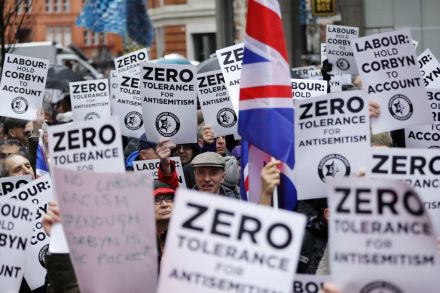
Labour has yet again shown it doesn't care about its Jewish members. Jeremy Corbyn said earlier this year that “there is no place for anti-Semitism or any form of racism in the Labour party”. But not for the first time – and not for the last – Jews who still belong to the party have been sidelined.  The latest cause for disquiet is the decision yesterday by the party's National Executive Committee. Not content with scrapping the party's student wing ahead of next week's gathering in Brighton, the NEC has now agreed new rules concerning the handling of allegations of anti-Semitism and disciplinary procedures for expelling members.