Roger Mosey

Roger Mosey was BBC director of London 2012.

Michael Grade is right to worry about the BBC’s future

Michael Grade is one of the great figures of British broadcasting. I remember the cheers echoing around the BBC when it was announced that he was returning to the corporation as its chairman in 2004. His long career in broadcasting was a welcome shield against the tinkering bureaucrats that governments normally consider for these kinds of top public roles. Grade also felt like 'one of ours' when, in 2022, he was given the chair at Ofcom. He was a practitioner who believed in the power of public broadcasting, and he thought that the best thing for programme makers was to make programmes rather than fret about regulation. Now that Grade has stepped down at the end of his term, we are getting Grade Unleashed.

Does the Labour leadership race really matter?

For political journalists, a leadership contest is like the FA Cup final. I can imagine the BBC’s Chris Mason and Sky’s Beth Rigby reacting to a new contender for Number 10 in the way that Manchester City fans celebrated when Antoine Semenyo flicked home their winning goal at Wembley. Here we go, here we go! These days, nobody is frightened of Downing Street This was certainly my reaction as a BBC editor to some of the contests of the past. For the most celebrated of all, when Michael Heseltine challenged Margaret Thatcher, I was running The World at One.

The BBC’s mad obsession with Philip Schofield

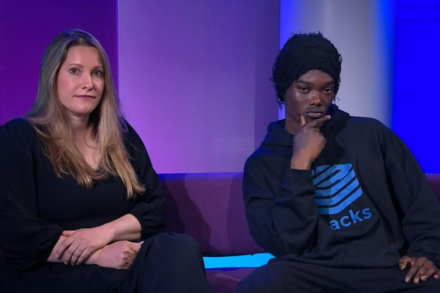
‘Why are you broadcasting what you’re broadcasting? There’s bigger things to worry about.’ In that respect at least, ‘Mizzy’ – the 18 year-old TikTok prankster Bacari-Bronze O’Garro – was doubtless speaking for much of Newsnight’s audience. He had been invited onto the flagship current affairs programme to discuss the BBC’s exclusive interview with the social media figure Andrew Tate, who is facing charges of rape, people trafficking and organised crime. Mizzy, naively captioned by the BBC as a ‘social media influencer’ despite a recent track record of physically threatening members of the public, knew what was happening more clearly than his hosts. ‘I’m on BBC Newsnight now,’ he said. ‘You’re playing the game.

What’s wrong with the BBC? 

Being a senior BBC executive has never been a guaranteed route to national affection, but the past few weeks have been particularly bruising for director-general Tim Davie and his leadership team. The Gary Lineker affair didn’t please anyone – the presenter’s supporters railed against what they saw as a politically inspired move against him, while advocates of impartiality felt that the BBC caved in when they came to an interim settlement. Then choirs worldwide, and the classical music community in the UK, rose in protest at the decision to axe the BBC Singers just before their centenary; a decision now wisely ‘paused’. Around the country, the BBC’s local radio and regional television staff have been on strike in protest at cuts to their services.

The BBC shouldn’t dumb down for poorer audiences

The BBC is an organisation that in my experience is, generally, benevolent; and the broadcasting regulator Ofcom is full of good intentions too. But this week they have between them managed to concoct a policy that could weaken the corporation and increase dissatisfaction among its audiences. In its annual report on the BBC, Ofcom swooped on what it saw as a greater unhappiness with programming among audiences in lower socio-economic groups – even calling them ‘disenfranchised’. In reply, the BBC has seemed to accept the criticism and told Ofcom that it will commission more TV content aimed at C2DE audiences ‘particularly lighter drama, crime drama and comedy drama, as well as factual entertainment competition formats and sports documentaries.

In defence of the BBC’s Olympic coverage

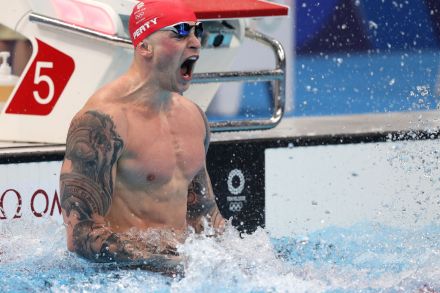
For viewers of the BBC Olympics coverage, it’s back to the old days. Not since Sydney in 2000 has all the Games content been squeezed into the main terrestrial channels, with the red button and its one extra stream making its debut in Athens 2004. ‘The Olympics are perfect for interactive television,’ said a BBC executive celebrating the innovation, ‘because there are so many events happening at the same time.’ In the run up to London 2012 we made the promise that UK viewers would be able to watch any event they chose, from beginning to end – and the corporation delivered 24 HD television channels and an equivalent number of online streams to achieve that.

Tim Davie’s BBC ‘transformation’ doesn’t go far enough

I’m sorry to say that I was a Salford refusenik. When the BBC first got the itch, almost 20 years ago, to send its London-based staff to new locations around the country, as a senior executive at the time I thought the idea was a grisly one. That’s not because I don’t like the north of England: I come from Bradford. But as director of sport I was being asked to put my staff and their families onto buses making a one-way trip to the Greater Manchester docklands – leaving behind the power centres of the BBC and the lifestyle of a capital city. I wrote grumpy emails to the director-general, Mark Thompson, contrasting his plans for Salford in 2011 with our plans for London 2012.

Diary – 25 February 2012

When I took the job as director of the BBC’s coverage of London 2012, my cousin asked if anything about the job kept me awake at night. The truth is nothing — so far. I can see that Britain’s television screens going black at the start of the 100 metres final would be bad, since there isn’t much recovery time in 9.6 seconds. Fortunately, however, we’re not wholly dependent on live events; and the pleasure of recent weeks has been seeing previews of what will make the whole year feel special. The best example is the ‘Sceptred Isle’ soliloquy by Patrick Stewart from our new television production of Richard II, which captures the national spirit better than any number of positioning papers on the ‘Cultural Olympiad’.