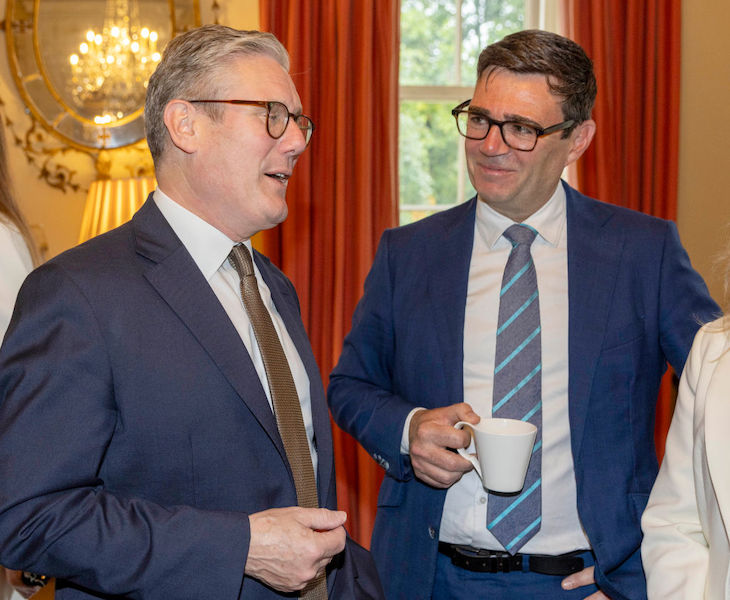
For political journalists, a leadership contest is like the FA Cup final. I can imagine the BBC’s Chris Mason and Sky’s Beth Rigby reacting to a new contender for Number 10 in the way that Manchester City fans celebrated when Antoine Semenyo flicked home their winning goal at Wembley. Here we go, here we go!
These days, nobody is frightened of Downing Street
This was certainly my reaction as a BBC editor to some of the contests of the past. For the most celebrated of all, when Michael Heseltine challenged Margaret Thatcher, I was running The World at One. While breakfast programmes were still speculating about what might happen, a feverishly-excited James Naughtie and I had already agreed a mid-morning rendezvous at Heseltine’s house where he would give us an exclusive interview confirming he would take on the PM. By the time we had finished the recording, the rest of the media had cottoned on – and we had to crawl on our hands and knees to get through a scrum of photographers and their ladders. But what we lacked in elegance was made up for by relish for the historic battle ahead.
Five years later when we had both moved to the Today programme there was the more unusual spectacle of John Major resigning as Conservative leader and challenging his opponents to stand against him. For quite a while, it seemed that nobody would. But on the critical day for the Prime Minister, a young Today reporter called Michael Gove, who even then seemed to be well-connected to the Conservative Party, brought us the scoop that John Redwood would run for leader. I recall the programme that morning as 90 per cent adrenaline and 10 per cent nerves. We were the only outlet saying for certain that Redwood would be a contender, and I remember the frisson that it might be career-limiting if he wasn’t.
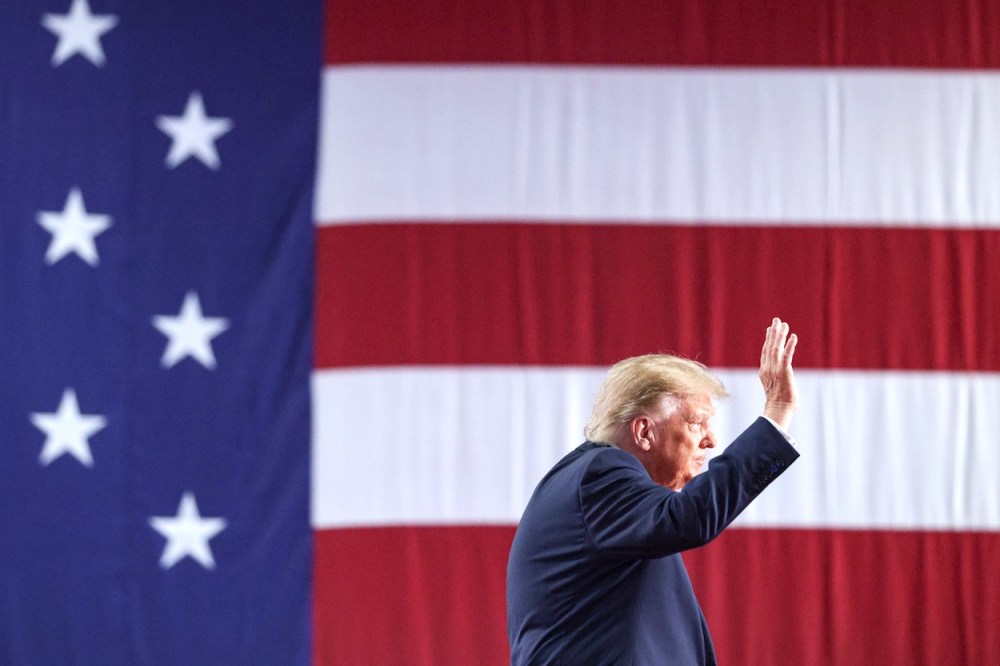
There have always been spells of politics in which speculation about leadership has taken precedence over what journalists see as the more boring fields of policy. Here’s how it works. One dissident is worth one hundred loyalists, and producers of political programmes seek out the mischief-makers. In the later Thatcher years, the chairman of the 1922 committee Marcus Fox was a reliable source of interviews in which he started by expressing his loyalty to the great lady and then inexorably moved to a “but” after which he outlined, at length, her failings. We liked to think he was knighted for services to Radio 4.
In the Major years and later during Gordon Brown’s term of office, it was an easy way to fill a programme to have grumpy backbenchers questioning their party’s leadership and then a defensive interview with a cabinet minister as a piece of political circus. It was a format largely absent during the Blair governments because we didn’t know the full turmoil of the relationship with Brown, and in any case the dissidents and many journalists were terrified of the retribution of Alastair Campbell if they stepped out of line.
These days, nobody is frightened of Downing Street. In the ten years since David Cameron stood down – through May, Johnson, Truss, Sunak and Starmer – backbenchers have gaily rushed to the microphones. And there are, of course, many more outlets on which they can be heard, because every news channel and website operates day and night; and there is intense competition to catch and amplify the words of disloyalty. Instability at Westminster provides content for the media, and the media’s obsessive coverage increases the instability at Westminster. The broadcasters may not have party political leanings, but they do have a bias in favour of something exciting happening. They set Keir Starmer a stretching target for the local elections, which they and the dissidents marked him as failing to meet; and, for the inhabitants of Millbank, Starmer plodding on would have been beyond dull.
Look out for another piece of chicanery. Foghorn-voice reporters in Downing Street shout questions about the leadership to passing ministers. They then repeat those later in the news, opining gravely that the questions won’t go away – when they’re the ones choosing to prioritise internal manoeuvres over the rest of the world.
There has, I’m told, been a debate within the BBC in recent days about whether this has gone too far. At least one senior executive has urged programme makers to damp down the amount of speculation. And, as a repentant sinner, I believe that executive is right. The media cannot absolve themselves from the crisis of governance that the country is facing.
The standard currency of many of the flagship political programmes, particularly Sunday with Laura Kuenssberg, is what the polls are saying. Just how bad is it for Starmer? There is almost never any context, such as the collapse in faith in leadership across western Europe which blights Germany and France too. But why talk so much about polls, anyway? Is it too fanciful to imagine that presenters might read out more regularly the latest data on housing starts and GCSE trends, or how many drones we’ve bought to safeguard the country against attack?
The truth is that leadership battle are easy journalism. Policy is much harder, and yet it’s the future of our schools and hospitals – and how to afford the daily essentials – which preoccupy the voters. Labour politicians are right to try to articulate what the government has been doing, even if they only get a couple of items down the list before they’re interrupted by interviewers asking whether a random MP’s social media post means that the Prime Minister should quit.
In what risks being a dangerous downward spiral in our politics, journalists might usefully ask themselves a question: “Does this really matter?” It would be healthier for the country if they focused more on the long-term challenges than the daily froth.




Comments