Killjoy
22 min listen
On this week's episode, we’ll hear from Katy Balls on the political power of Angela Rayner. (00:49)Then Lionel Shriver on the unscientific divisions between the vaxxed and unvaxxed. (06:52)And finally, Nick Newman looks at the differences between British and American cartooning.

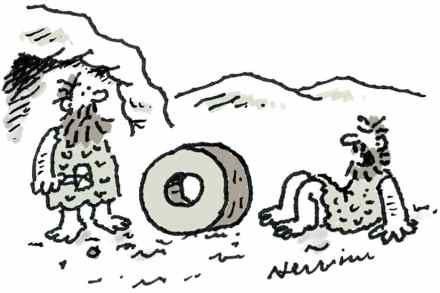
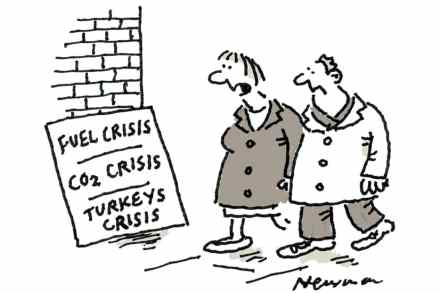
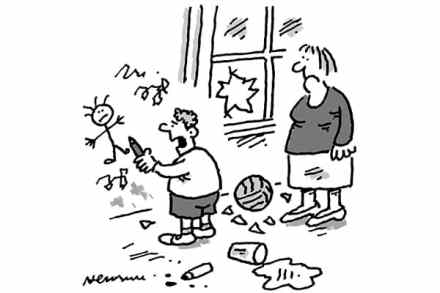
‘Cartoons are like gossamer and one doesn’t dissect gossamer.’ So says Mr Elinoff, the fictional cartoon editor of the New Yorker in an episode of Seinfeld, when trying to explain a cartoon to Elaine. Elaine isn’t satisfied. Mr Elinoff suggests the cartoon is a commentary on contemporary mores, a slice of life or even a pun. ‘You have no idea what this means do you?’ says Elaine. ‘No,’ he concedes. The scene sums up the problem of understanding the New Yorker’s sometimes oblique sense of humour — and may come as a relief to the many British cartoonists who have tried and failed to break into the Big Apple’s literary bastion.

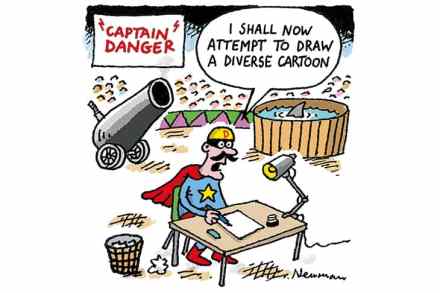
Of the many challenges cartoonists face — rejection, money, drink, or lack of — one of the trickiest is the growing pressure to depict diversity. Nowadays readers often write to publications complaining about the dearth of ethnic minorities in our drawings and demand for cartoons to be more inclusive. It’s like being trapped in a bad political cartoon, walking a tightrope above a minefield. A quick survey of my colleagues in the Professional Cartoonists’ Organisation highlighted the following: Cartoons involve laughing at someone. If that person is black, you risk appearing racist; even including a BAME character in the background of drawing can lead to accusations of tokenism (‘background box-tickers’).