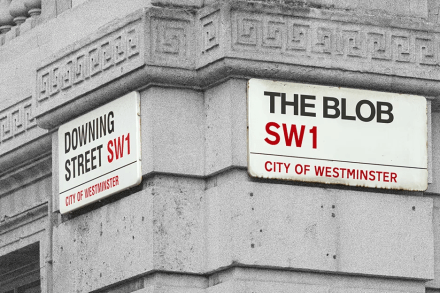
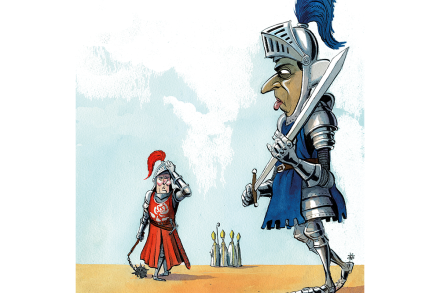
Whoever you vote for, the Blob wins
At the age of 66 I feel like a first-time voter. As a member of the House of Lords, I was not allowed to vote in the last three general elections. But I retired from the House in 2021, so democracy here I come. I shall scan the ballot paper with interest: who is standing for head of the Office of Budget Responsibility, or chair of the Climate Change Committee? I would like to read their manifestos, since they seem to be the folk whose ‘models’ tell the country what it must do, brooking no dissent. What’s that you say? It doesn’t work that way? How quaint of me to think that the mighty quangocrats who wield so much power should have meaningful accountability to parliament, let alone the people. Joking aside, I have now seen how government works close up.