Mark Solomons

Mark Solomons is a former industrial correspondent at the Sun.

The trouble with being teetotal

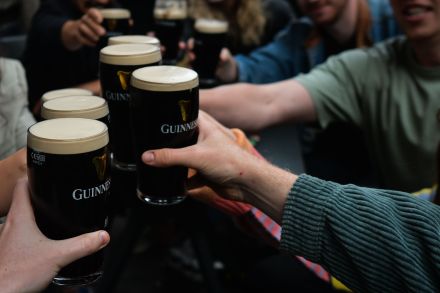
I’m 58 years old and have spent 40 of those years as a journalist and yet there is something that shames me, that makes me inferior to so many of my colleagues and, indeed, many of my friends and family outside the world of journalism. I'm rubbish at drinking.  Instead of being wasted on booze, booze is often wasted on me. I've never had a Lost Weekend, never woken up tied to a lamp-post with a traffic cone on my head, never got a tattoo while under the influence. I've been to Magaluf with the lads and Las Vegas on a press trip. I've been to stag dos and TUC conferences and away days with both Spurs and England football fans. And, embarrassingly, I can remember every moment of every one of them.  It's not that I can't get drunk.
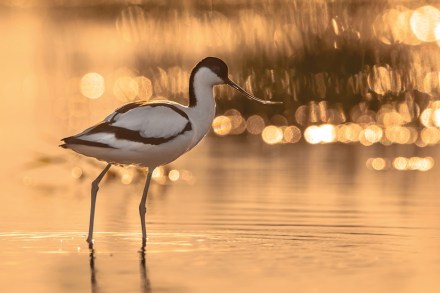
Will Sizewell C see off the avocet?

There are many reasons why birds disappear — and why they return. The avocet, however, is probably the only one that owes its resurgence to the Nazis. After a 100-year hiatus in Britain, this elegant black and white wader reappeared after the second world war. Four pairs were found in Minsmere nature reserve and another four in Havergate Island, both along the Suffolk coast. These areas had been flooded to prevent a German invasion, making them ideal nesting grounds. The avocet had taken flight from parts of Holland damaged by the Nazis, travelling 100 miles or so here across the North Sea. Amid headlines about the Cold War and the H-bomb, the news of returning avocets was greeted with much fanfare.

Football fans are rejoicing that Euro 2020 is finally over

Thank goodness that's over. The Euros were fun and all that but now, please, can we get back to real football instead of this Disneyfied version of the game that brings out the best – and worst – of us? From little cars that bring the footballs on to the pitch to those toe-curling TV idents for Alipay and other sponsors, it's time to put away the over-glorified spectacle of England losing and concentrate on watching real football with real football fans. That means getting depressed every other week instead of every other year; looking down our noses at anyone flying a flag from their car or eating popcorn at games or filming themselves watching the match in order to put it on YouTube later.

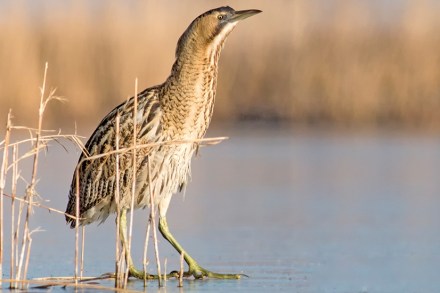
Why it’s boom time for bitterns

Bitterns are booming, both literally and metaphorically. These handsome brown birds from the heron family make a noise quite unlike anything else in Britain and we are lucky to be able to hear it. If there is such a thing as a birding bucket list then hearing a bittern’s ‘boom’ — the loudest bird call in the country — should be on it. Before the bittern starts booming he performs a warm-up ritual called grunting. He strengthens his throat muscles, which expand to turn his gullet into an echo chamber. His powerful muscles make up a fifth of his body weight and can propel the sound of his boom for more than three miles.

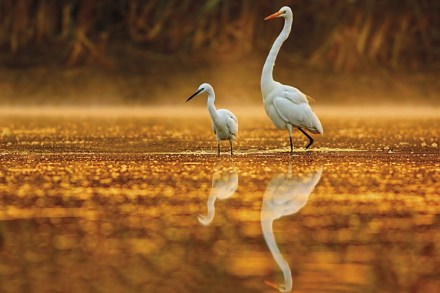
Why egrets keep making headlines

There’s an unwritten rule in newspaper journalism that any story about egrets must have one of two headlines. Either ‘no egrets’ if numbers are dropping or ‘egrets, we’ve had a few’ if they are booming. At the moment, fortunately, it’s the latter. The little egret (egretta garzetta) can be seen as something of a trailblazer. The first only nested successfully in England as recently as 1997, on Brownsea Island in Dorset, and there are now up to 1,000 pairs in the country, according to the RSPB. They compete for food with herons and cormorants on the Thames and even have been known to venture into cities and towns.

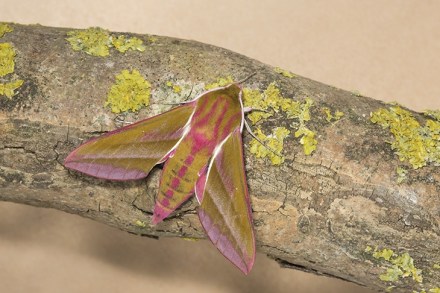
Mothing is a serious business

As darkness falls, a group of mainly middle-aged men set up traps of various shapes and sizes — some sophisticated and expensive-looking, others more Heath Robinson-like — in gardens and fields across the country. These are moth enthusiasts: a largely unknown and, by their very nature, unseen group of hobbyists. They are mostly fanatical birdwatchers too, and from backgrounds that include journalism, the civil service, the Royal Mail and the NHS. They lay their traps, some of which cost £500 or more, throughout most of the year. In the mornings they count, identify and list their catch in minute detail. The moths are then carefully released, away from prowling blackbirds who turn up when they think there’s a chance of an easy meal.