Joanna Rossiter

Joanna Rossiter

Joanna Rossiter is a freelance journalist and author of The Sea Change (Penguin)

Why Generation Z is turning away from alcohol 

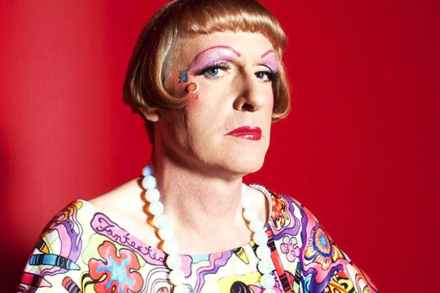
Actress Anne Hathaway grabbed headlines recently with a somewhat unorthodox parenting strategy: she revealed she has given up alcohol until her two-year-old son turns 18 because she does not want him to see her drunk. Hathaway’s approach might seem puritanical to anyone who's no longer in their twenties, but for Generation Z it’s the new normal. According to the Institute of Alcohol Studies, only 38 per cent of 11 to 15 year-olds have even tried alcohol, let alone gotten drunk. So why has drinking fallen so rapidly out of favour? To those who inherited the social freedoms of the 60s and rebelled against the stiff upper lips of their parents it seems utterly bizarre that young people would shun drink and embrace sobriety.

Could Juan Guaidó finally end Venezuela’s nightmare?

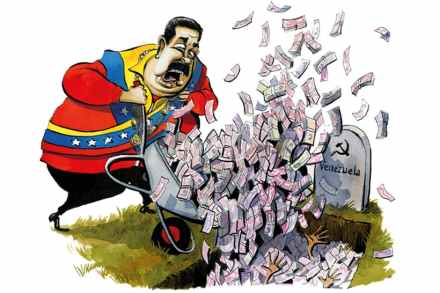
The United States has stepped up its rhetoric against Venezuela’s Maduro regime  by declaring Juan Guaidó as interim president – a move which is also backed by Germany, Brazil and Canada. Tens of thousands of people have taken to the streets of Caracas to hail Guaidó as the country's new leader. But is this really the end for Nicolás Maduro, the man who has led his country into economic ruin? Unlike the protests in the capital in 2017 which were brutally quashed before they could spread elsewhere, these demonstrations are gathering pace all across the country. There are now local reports of members of the national army starting to side with the people.

The Best Talks and Debates on the Internet

The internet has changed beyond recognition in recent years. In the noughties we consumed short, digestible bursts of information online. But now there’s a growing appetite for long-form intellectual content – the internet is chockablock with podcasts, discussions and debates. People are going online to explore ideas that, before, would never have been found beyond the bounds of a university campus. As Douglas Murray revealed here on Spectator Life, the most radical contemporary thinkers are joining the likes of Jordan Peterson in tapping into this growing desire to discuss philosophical and political questions online. In doing so, they sidestep the censorious culture of some universities and reach an online audience of millions.

Will there ever be an end to Venezuela’s misery?

Venezuelans are preparing for a difficult Christmas – the worst of recent times. The middle-class families I have spoken to in Barquisimeto, Venezuela’s fourth largest city, are not able to afford even the most basic of ingredients for their traditional Christmas meal of pork leg, hallaca, ham and potato salad. These are families who, in the 90s, owned two cars, bought second homes, studied abroad and went on regular holidays to the Andes or the coast. They enjoyed a standard of life much like middle-class Britain, but now their salaries and pensions won’t even stretch to cover a weekly shop. The average Venezuelan lost 11kg in weight last year alone.

What Sadiq Khan can learn from Prince Charles about knife crime

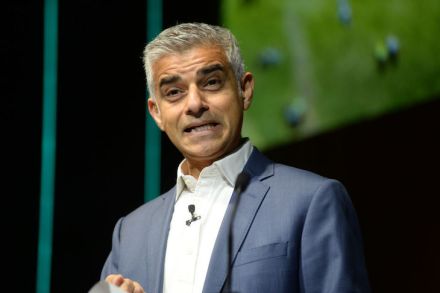
Prince Charles has waded into the knife crime debate by speculating about the reasons for the current crisis: ‘there is no real means for marking the transition between childhood and adulthood’, he argued yesterday: 'of course you need something, some motivation... at that period between 14 and 19 where all the worst aspects of this knife crime seem to happen.' Charles may be right or wrong in his diagnosis of the problem but at least he is trying to look beyond the statistics towards the root cause. Meanwhile London’s mayor Sadiq Khan seems determined to do the opposite. His response to November’s spate of stabbings was to say that it could take a ‘generation’ to solve and to ‘really make significant progress can take up to 10 years’.

Worrying about schools is more than a middle-class obsession

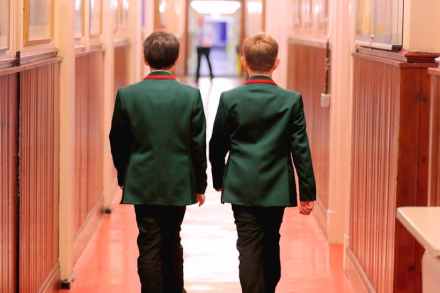
The yearly scramble for school places is about to start and, as all British parents know, trying to find a school for your children can be an all-consuming business. When searching for a decent state primary for my own children, I was faced with intense competition for places in London along with soaring house prices. So I did what plenty of other middle class parents have done before me and moved out of the capital. For better or worse, my children's education has dictated everything: from where I live to my choice of career. On this week's Spectator podcast, Leah Mclaren takes issue with mothers like me. Isn’t the British obsession with schooling all about status anxiety and paranoia about our children’s life chances, she asks.

MPs should not fall for the EU’s promises on the future relationship

A note leaked to the Times written by the EU's deputy chief negotiator shows that the EU has no intention of releasing the UK from the customs union if May's deal is signed. This attitude should come as little surprise to those close to the deal. Throughout the process, the EU have wished to hamper the UK's future trading relationships to ensure that Brexit does not set a precedent for other countries who might seek to leave. But, in spite of this leaked memo, the EU will not be admitting their intentions in public any time soon. Quite the opposite. The political agreement that will be published alongside the withdrawal agreement will be full of overblown promises about a tailor-made trade deal.

Why everyone wants a taste of Brexit

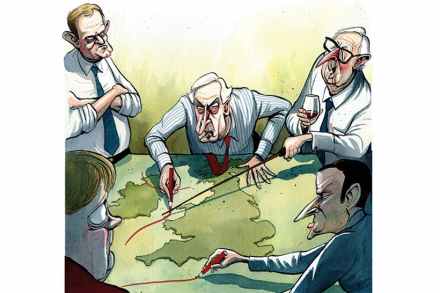
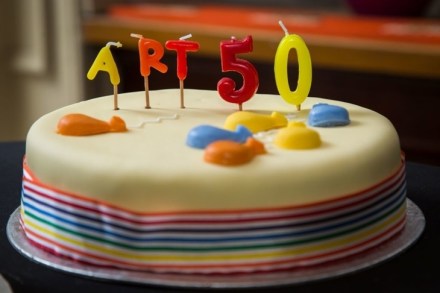
When Boris Johnson declared this week that Theresa May’s new deal would be a ‘Christmas present of the finest old Brussels fudge,’ he embraced one of Brexit’s most enduring motifs: food. This week's Spectator cover story 'Brexit is Served' is full of culinary metaphors. The language of food seems to cross the Brexit divide: Remainers and Leavers are united in their love of food and for good reason: when it comes to food we all have wildly different tastes and it is the same with Brexit. Like Marmite, you either love Brexit or you hate it. It began with Andrew RT Davies’ promise to the Tory party conference in 2016. ‘Mark my words’, he told delegates, ‘we will make breakfast – Brexit – a success’.

The leaked Brexit memo exposes May’s botched strategy

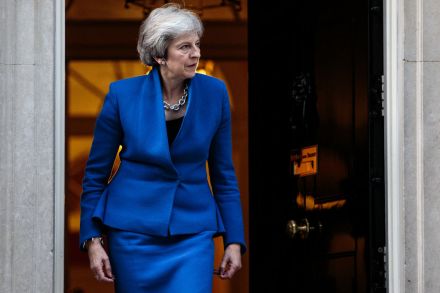
The leaked plan of how the Government might try to sell the Brexit deal contains a telling passage. The memo instructs the Cabinet Office to talk up the agreement by ‘comparing it to no deal but not to our current deal’. For all the claims by a government spokesman that the 'misspelling and childish language in this document should be enough to make clear it doesn't represent the government's thinking', this key phrase is the closest we have come to a disturbing admission: that Theresa May’s deal could leave us worse off than remaining in the EU.