James Heale

James Heale

James Heale is The Spectator’s deputy political editor.

Farage’s next move

14 min listen

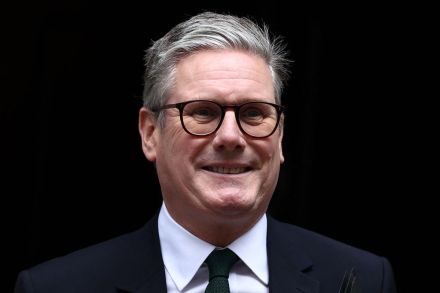
Party conference season continues as Reform UK’s kicks off today in Birmingham. Katy Balls has been at the NEC hearing from Richard Tice, Lee Anderson and leader Nigel Farage, amongst others. What’s been the mood? And, after a remarkable few months, what could be next for the party? With Labour conference starting at the weekend, how worried will Starmer be about Farage? Also, what's been the latest on the PM's 'donations for clothes' row? Patrick Gibbons speaks to Katy Balls and James Heale. Produced by Patrick Gibbons.

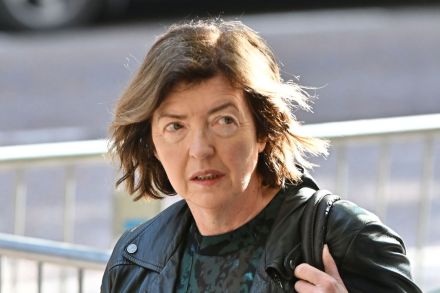
What the Sue Gray row is really about

14 min listen

It's been a sticky week for Labour. Whilst they will have hoped to spend the run up to this weekend's conference talking about the policy wins of their first 100 days in power, Labour MPs are instead having to defend the Prime Minister for accepting freebies and talk down speculation of a rift at the heart of government. Is there a power struggle in Number 10?  James Heale speaks to Katy Balls and John McTernan, former political secretary to tony Blair.  Produced by Oscar Edmondson.

Ed Davey’s game plan

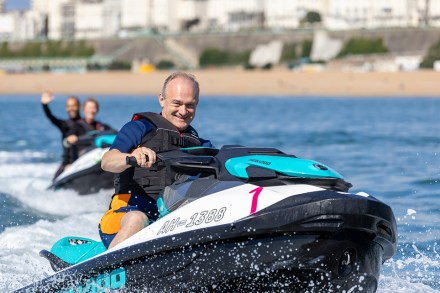
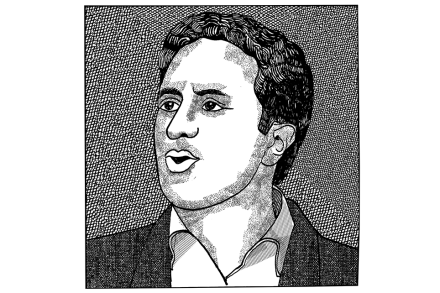
Ed Davey owes much of his election success to Boris Johnson – and in more ways than one. The slide-loving, bungee-jumping, paddleboard-slipping Lib Dem leader has, like Johnson on his zipwire, learned how to capture media attention while evading being placed on a conventional political axis. One day he’s intoning soulfully on social care in the Commons; the next rocking up to party conference on a jet ski. He wants inheritance tax hiked but decries Labour’s plans for VAT on school fees. Such shenanigans enabled him in the election to appear both serious and silly, left and right, using any publicity to deliver ruthlessly crafted messages on health, sewage and the cost-of-living crisis.

Should Labour ditch the ‘doom and gloom’ narrative?

11 min listen

We have some new inflation figures today. Inflation rose 2.2 per cent in the 12 months to August. This is pretty much in line with the Bank of England's target and should be good news for Labour, so why do they persist with this doom and gloom narrative?  Elsewhere, Labour's awkward week has got more awkward with the news that Sue Gray, Keir Starmer's chief of staff, is paid more than him. Surely they could have seen this news story coming?  Oscar Edmondson speaks to Kate Andrews and James Heale. Produced by Oscar Edmondson.

Two takeaways from Ed Davey’s conference speech

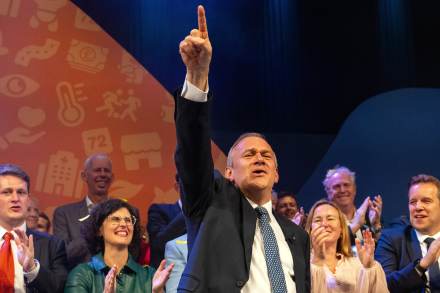
Sir Ed Davey has just finished his conference speech in Brighton. No party is likely to hold a more upbeat political jamboree this year than the one which the Lib Dems have just concluded. With a record 72 MPs, July’s result ensured Davey became his party’s most successful leader since the days of Asquith and Lloyd George. So it’s no surprise that much of his speech effectively comprised a victory lap, in which he thanked the many, many people involved in his party’s triumphs across the blue wall. There were name checks too for Davey’s predecessors: Liberal legends of old like Charles Kennedy and Paddy Ashdown.

Where do the Lib Dems go next?

11 min listen

Liberal Democrat Conference wraps up today in Brighton. It could well be the happiest conference we visit this season with the party riding high after winning 72 seats at the election. The challenge that they face now is improving on that number, providing some opposition to the Labour party and protecting their new Surrey MPs once the new Tory leader is decided. We have heard Ed Davey speak passionately on social care, but can they carve a distinct position on other big policy issues, such as Europe? Or the NHS?  Katy Balls speaks to James Heale and Stephen Bush, associate editor of the Financial Times.

Is Gordon Brown back?

14 min listen

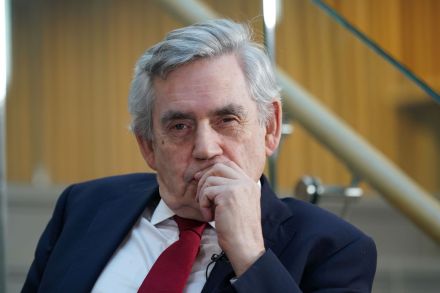
Last week, there was a surprise visitor to the Treasury: Gordon Brown. The former prime minister and chancellor secretly returned to his old digs for the first time since he left office 14 years ago. According to onlookers, Brown visited his old office as he caught up with the new chancellor – and his friend – Rachel Reeves. What was discussed? Many have speculated that among the topics on the agenda was the winter fuel allowance, a policy ushered in by Brown and now amended by Reeves.  Elsewhere, Tony Blair has been doing the media rounds promoting his new book and giving his thoughts on leadership. Should Keir be listening? Are interjections from former prime ministers ever helpful?  James Heale speaks to Katy Balls and Patrick Maguire.

Will Starmer call Putin’s bluff?

10 min listen

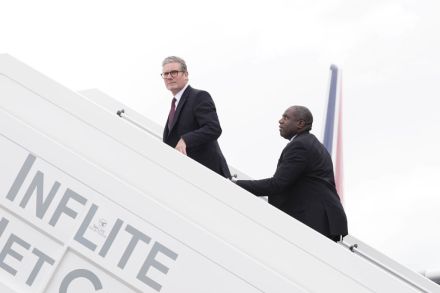
Keir Starmer and David Lammy are in the Washington for a planned foreign policy summit with Joe Biden. They will principally be talking about a new deal regarding the use of UK long range missiles in Russia, a move which Putin has warned would constitute an escalation of the war and the formalisation of NATO's involvement. Also up for discussion is support for Israel after the foreign secretary announced a partial embargo on arms. Is the UK diverging from the US on foreign policy? James Heale speaks to Katy Balls and Keir Giles, fellow at Chatham House and author of Who Will Defend Europe?Produced by Oscar Edmondson.

Keir Starmer: the NHS will get ‘no more money without reform’

15 min listen

The Prime Minister has described the NHS as in 'critical condition' in a speech this morning after the release of Lord Darzi's damning independent report. Lord Darzi had only nine weeks to conduct his investigation into –and assessment of – the National Health Service. But this truncated timeline does not appear to have led to any watering down of his verdict. The independent peer has delivered a damning diagnosis of the state of the NHS, which is described as failing both its staff and its patients. The NHS clearly needs serious intervention, but are Labour the ones to do it? James Heale speaks to Kate Andrews and Isabel Hardman, author of Fighting for Life: The Twelve Battles that Made Our NHS, and the Struggle for Its Future. Produced by Oscar Edmondson.

Tory leadership latest: ‘Melmentum’ runs out

13 min listen

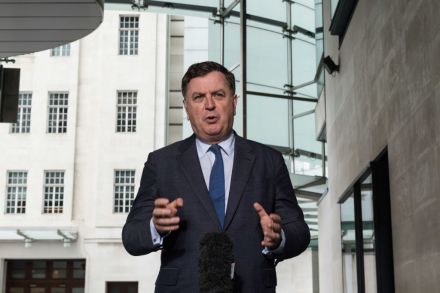
It's been a busy day in Westminster today. Labour avoided a large scale rebellion on the winter fuel allowance and Mel Stride was eliminated from the Tory leadership race – not to mention the sale of a certain weekly politics magazine. Oscar Edmondson discusses with Katy Balls and James Heale.  Produced by Oscar Edmondson.

Labour’s winter fuel woes are a sign of things to come

On paper, the result was a success for Labour. Despite excited reports, government whips managed to keep their party's great winter fuel revolt down to 40-odd abstentions and a single rebel. Poor Jon Trickett was the only government MP to troop into the Opposition lobby; given the treatment meted out to the child benefit rebels, he could now face a similar punishment of losing the Labour whip. By 348 to 228, MPs voted down the Conservative motion today to reverse the cut, with the government's majority dropping from 167 to 120. Yet today's victory is a sign of worse to come in the future. The ninety-minute debate in parliament was not one for the ages.

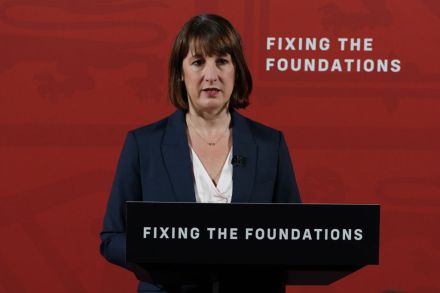
Will Rachel Reeves soften the winter fuel cut?

14 min listen

Tomorrow MPs will vote on Rachel Reeves’ decision to cut winter fuel payments for pensioners who aren’t eligible for pension benefits. We spoke on this podcast on Friday about the pressure that Labour is under from all sides on this, but the temperature has increased over the weekend with the trade unions getting involved. What's the latest?  Also on the podcast, there have been some allegations of 'dark arts' during the first round of voting in the tory leadership contest, and possible vote sharing. Is there any truth to these rumours?  James Heale speaks to Katy Balls and Fraser Nelson.  Produced by Oscar Edmondson.

Does Rachel Reeves need an ‘escape route’ on winter fuel?

14 min listen

Fraser Nelson and Katy Balls join James Heale to look ahead to a crucial week for Labour. On Tuesday, Parliament will hold a binding vote on the changes to winter fuel allowance - how are Labour expected to deal with this? Former shadow chancellor Ed Balls, and husband of the current home secretary Yvette Cooper, has argued that Labour need an 'escape route' from the policy. What can we read from this intervention? And how influenced are the government by the spectres of George Osborne and Liz Truss? Also on the podcast, Fraser talks about both the problems facing Germany, and the surprisingly successful measure that Sweden has introduced, to deal with net migration.

How select committees could cause trouble for Keir Starmer

It's not just the Tories facing a big vote next week. Across the House of Commons, MPs will be choosing which of their number should chair the 26 select committees up for grabs. Every MP gets a vote but only backbenchers can stand: nominations close on Monday with voting done on Wednesday. Positions are allocated in line with the election result. Labour's gargantuan majority thus ensures that they chair 18 of the 26 committees. The Tories are reduced to five with the Lib Dems awarded three. Select committees are another reminder that, for all the recent attention on the smaller parties, parliamentary institutions can often help the big ones. The four Green MPs, for instance, will not get a seat on a single select committee.

Miliband’s net zero madness & meet Reform UK’s new poster boy

39 min listen

This week: Miliband’s empty energy promises. Ed Miliband has written a public letter confirming that Labour plans to decarbonise the electricity system by 2030. The problem with this, though, is that he doesn’t have the first idea about how to do it. The grid doesn’t have the capacity to transmit the required energy, Ross Clark writes, and Miliband’s claim that wind is ‘nine times cheaper’ than fossil fuels is based upon false assumptions. What is more, disclosed plans about ‘GB Energy’ reveal that Miliband’s pet project isn’t really a company at all – but an investment scheme. This empty vessel will funnel taxpayer money into the hands of private companies rather than produce any energy itself.

The ‘British Muslim patriot’ on a mission to get Farage into No. 10

Few people had heard of Zia Yusuf before he spoke at Reform’s final campaign rally in Birmingham. But after a stirring speech to 4,000 supporters, he became one of the election’s overnight stars. ‘This boy’s got real talent,’ admitted Nigel Farage afterwards. He is now emerging as one of the more intriguing figures in the landscape of the right: a self-described ‘British Muslim patriot’, a 37-year-old multimillionaire, who says his mission in politics is to take Farage to No. 10. Farage is clearly Yusuf’s political lodestar: his name features dozens of times in our hour-long exchange When we meet at The Spectator office (his £100,000 Range Rover parked outside), Yusuf says that a Reform UK government is quite conceivable.

Tory leadership race latest: Priti out

14 min listen

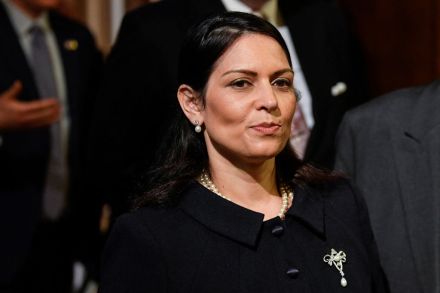
The first round of the Conservative leadership race has seen Dame Priti Patel eliminated with the fewest votes. Robert Jenrick came out on top but, with a second vote taking place on Tuesday, where could Patel's supporters go? Who could get eliminated next? Will 'Melmentum' build? Oscar Edmondson speaks to Katy Balls and James Heale. Produced by Patrick Gibbons and Oscar Edmondson.

Grenfell report: why did it take so long?

16 min listen

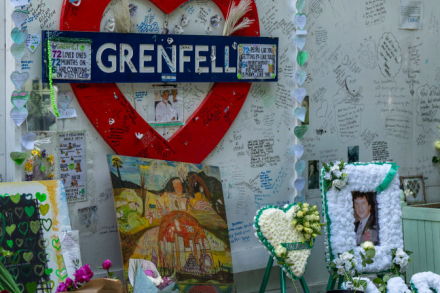
Seven years after the tragedy, the inquiry into the Grenfell fire has published its report. What did we learn from it and who bears responsibility? And, with thousands of buildings still believed to contain flammable cladding, what should happen next? With such important lessons to be learnt, why do British inquiries take so long? Also on the podcast, a look at the first PMQs following summer recess and the Tory leadership election. James Heale speaks to Isabel Hardman and Liam Halligan, Telegraph columnist and author of Home Truths. Produced by Patrick Gibbons.
Inside the 1922 hustings for Tory leader

This evening Tory MPs filed into parliament's Committee Room 14 to hear from the six hopefuls aspiring to lead their party. Each candidate had up to ten minutes to make a final pitch to colleagues, followed by questions. Robert Jenrick went first, followed by Kemi Badenoch, Tom Tugendhat, Mel Stride, Priti Patel and, finally, James Cleverly. 'Tired' is how one describes his performance Jenrick has spent the summer campaigning heavily on migration and the ECHR (European Convention on Human Rights), so opted to focus much of his speech about the economy and public services: ‘Making the NHS work for our constituents’ was a theme in his remarks. Three of the four questions he faced came from his declared backers (Jack Rankin, John Hayes and Andrew Rosindell).

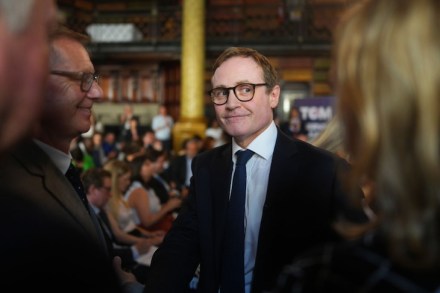
Tom Tugendhat’s pitch: I’m a proper conservative, honest guv

Tom Tugendhat finally launched his leadership campaign today with a big speech in Whitehall – the third he has made in as many weeks. After previous efforts on the riots and public sector reform, today was Tugendhat’s last chance to hammer home his main message before the first ballot of MPs tomorrow: I’m a proper conservative, honest. To this end, he offered more red meat than a butchers, pledging (again) to potentially leave the ECHR, increase defence spending to three per cent of GDP and commit the party to 100,000 net legal migrants if he wins.  He offered more red meat than a butchers, pledging (again) to potentially leave the ECHR Indeed much of the speech focused on migration: a key issue in a contest where four of the six contenders served in the Home Office.