Helen Nugent

Zoinks! When will financial firms stop pillaging our childhood memories?

I watched some extraordinary television yesterday. It was the kind of TV that makes your eyes widen and your jaw drop to the floor. Not Sherlock, obviously. Much as I love the uptight detective, I know what I'm getting when I press the play button. I mean Morph, the animated clay character who made his debut back in 1977 and has now been recreated for the Sky Kids channel. You read that right, Morph. In a homage to the mockumentary This Is Spinal Tap and The Sugarhill Gang, the legendary American hip-hop group, the diminutive children's favourite and his cream-coloured pal Chas change (or, er, morph) into a couple of seasoned rap artists in a short entitled Rapper's Delight.

House prices, Lloyds, pensions and credit cards

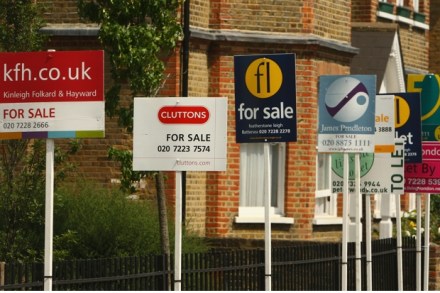
If you're still lamenting the fact that Christmas is over and you're back at work, there's some positive financial news this morning. According to Halifax, house prices increased by 6.5 per cent last month compared to December 2015. It seems that Brexit worries have yet to hit the UK housing market. Halifax also said that the average house price was £222,484 in December, up 1.7 per cent on November, a bigger rise than had been expected. For the final three months of 2016, house prices were 2.5 per cent in front. According to the BBC, Martin Ellis, housing economist at Halifax, predicts that 'while demand will wane this year, house prices will continue to be supported by a shortage of homes on the market'.

Spending, property, pensions and earnings

The switch from traditional spending to online shopping continues to gather pace as new figures show that high street sales fell last month for the fourth year running in favour of internet purchases. The BBC reports that online sales in December were 19 per cent higher than in 2015 while online orders increased in the week to 25 December by 51.1 per cent compared to the same week in the previous year. That's according to BDO's High Street Sales Tracker, which also found that consumers are splashing out more on home wares but less on fashion. Nevertheless, online sales account for about 15 per cent of all retail spending. Property The Guardian reports that prime London property prices were pushed down in 2016 thanks to higher taxes and concerns about the Brexit vote.

Debt, fuel costs, wealth and pensions

Debt charities have urged the Government to tackle the UK's debt crisis after official figures revealed that household debt has soared to its highest level in eight years. The BBC reports on Bank of England statistics which show that personal debt grew 10.8 per cent in the year to 30 November to £192.2 billion. Step Change wants ministers to implement a scheme that gives problem debtors 12 months' breathing space to get back on track. Fuel There's more gloomy news on fuel prices. BBC online reports that the cost of petrol and diesel has increased to its highest since July 2015. According to analysis from the RAC, the average cost of unleaded petrol hit 117.23p at the end of the month, with diesel reaching 119.63p.

Happy New Year – our rail fares are the highest in Europe

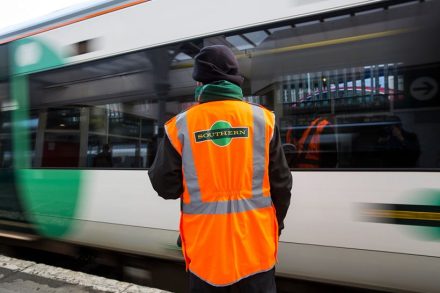
Amid the cacophony of moaning and groaning accompanying this week's nationwide return to work was an eye-catching headline from satirical site The Daily Mash: 'So we meet again, Southern tells commuters'. As someone who used to brave the Northern line on a daily basis, I can imagine the impending sense of doom felt by thousands of Southern customers as January 3 edged ever closer. Months of disruption thanks to staff shortages, industrial action and, if social media is to be believed, complete ineptitude on the part of the train operator, is enough to give anyone a New Year hangover. And now, what fresh hell is this? More strikes on the horizon, more cancelled services and more people crying on the inside as they wait for their train into work.

Mortgages, spending, pay and savings

An increasing number of landlords are having trouble paying their mortgage, new figures have revealed. Money Mail reports that, for the first time on record, 'the number of buy-to-let homes in mortgage arrears has increased'. That's according to data from the Council of Mortgage Lenders which recorded a 6 per cent rise in mortgage arrears among landlords between July and September last year.  Spending and borrowing Bank of England figures published this morning show that consumer borrowing rose at its fastest rate in more than 11 years in November 2016. The BBC reports that consumer credit in November increased by £1.92 billion to propel the annual growth rate in borrowing of 10.8 per cent, a rate not seen since October 2005.

Debt, housing, bills and rail fares

January will be one of the busiest months ever for debt charities, according to Citizens Advice and National Debtline. A combination of overspending on Christmas and longer-term financial problems will result in many people asking for money advice this month, The Guardian reports. The paper says: 'Citizens Advice expects more than 370,000 people to seek help on a range of financial issues including post-Christmas debts over the next two months. National Debtline, which took an average of 715 calls a day in December and helped more than 40,000 people online last month, said it expected January to be its busiest month in several years.' Housing The Government says that thousands of homes for first-time buyers will be built during 2016.

Home ownership, energy, spending and insurance

Home ownership among 25-year-olds has halved in two decades, according a survey conducted for the Local Government Association (LGA) by estate agents Savills. Just one in five of those under 25 own their own property, compared with 46 per cent two decades ago. The BBC reports that the LGA wants the Government to recognise a 'renaissance' in house building by councils is needed. 'The LGA said government needed to tackle the shortage of affordable homes to rent and buy. It says it found that, on average, private renters pay 34 per cent of their household income on rent, while social and affordable renters pay 29 per cent.

Pensions, house prices, debt and motor insurance

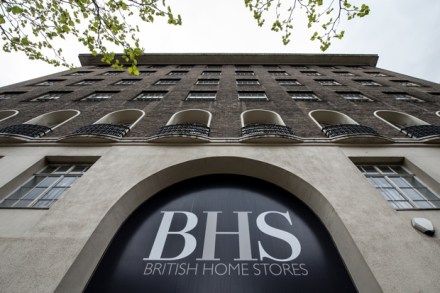
MPs have urged the Government to implement a 'nuclear deterrent' to thwart employers who fail to support their pension schemes. The work and pensions committee, chaired by Frank Field, has also signalled that Sir Philip Green, the former owner of BHS, may have to pay £1 billion to resolve the problems facing the BHS pension scheme The BBC reports that MPs want the regulator to have the power to impose 'punitive fines'. Field said: 'It is difficult to imagine the Pensions Regulator would still be having to negotiate with Sir Philip Green if he had been facing a bill of £1 billion, rather than £350 million.' House prices The Guardian reports that UK house price growth will slow in 2017.

Energy bills, housing, financial guidance and Lloyds

UK households face huge energy hikes in the New Year, according to new research. Thisismoney reports on a study by Gocompare.com. The price comparison site calculates that the average rise for affected households will be £250.92 over a year. But the worst-hit are looking at a 41 per cent rise. This is because 35 fixed dual energy tariffs - including deals from Co-operative Energy, Npower, Scottish Power and Sainsbury’s Energy - end in January. After this point, customers will be automatically rolled onto standard variable rates which, in most cases, are more expensive. Housing The total value of the UK’s 28.9 million homes increased by more than 7 per cent over the year to reach a total of £8.

It’s time industry got its act togther on financial jargon

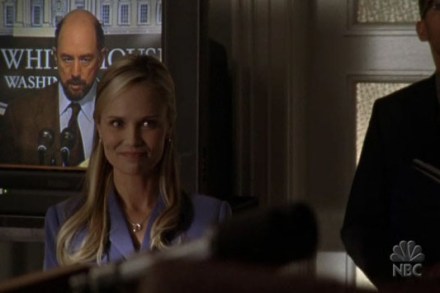
'I don't get excited when I hear EITC. Do you?' This is a line from the late, lamented West Wing. The acronym EITC refers to Earned Income Tax Credit, a refundable tax credit for low to moderate-income working people. One of the characters, Charlie, is trying to fight for it, only to be told by Annabeth that this won't be easy because it doesn't have a catchy name like 'Marriage Penalty' or 'Death Tax'. She's right. Who would understand EITC, let alone get behind it? It's the same on this side of the pond. Financial phrases like AER (Annual Equivalent Rate), DB (Defined Benefit) and OEICs (Open-Ended Investment Companies) don't exactly roll off the tongue, let alone lend themselves to easy interpretation.

Strikes, cyber attacks, rents and tax

Theresa May is under pressure this week as thousands of workers go on strike, affecting rail journeys, flights and postal services. The BBC reports that 'about 3,000 staff at hundreds of Crown post offices are expected to walk out on Monday, Tuesday and Saturday. But the Post Office said fewer than 300 branches would be affected, with 'business as usual' in most places.' At present, about 50 Crown Post Offices - the large branches, found on the High Street - are closed due to strike action. In addition, there are reports in today's newspapers that Royal Mail delivery staff may follow suit. Meanwhile, the misery compounds for commuters as the rail strike at Southern continues with conductors beginning two days of action.

Fraud, housing, interest rates and VAT

The payments regulator has let banks off the hook meaning that customers will be left vulnerable to fraudsters, according to Which?. The consumer group made a super complaint to the Payments Systems Regulator (PSR) regarding the increase in fraud over the phone, internet and on mobiles, the BBC reports. In response, the PSR has said that banks must do more to tackle scams where people are tricked in transferring money to a fraudster. But the PSR has also said that banks will not be forced to compensate customers who are left out of pocket. Speaking to the Today programme, Hannah Nixon, managing director of the PSR, says they looked at that option 'very carefully' but 'there isn't the evidence to support that at the moment'.

Don’t give in to New Year fad diets and fitness – they’re a waste of money

It's not long now until Christmas Day, that cherished time of year when we don our elasticated pants, break the seal on the Quality Street and prepare to eat until we pass out. It's the one day of the calendar when diets, healthy eating and all thoughts of exercise are banished, to be replaced by cries of 'just one more helping', 'where's the remote', and, let's face it, sheer gluttony. It's a special time. Like most things, however, this abandonment comes at a cost, and I don't just mean the suffusion of self-loathing on Boxing Day. There's a financial price to be paid come New Year, and that takes the form of gym memberships, workout clothes and fad diets.

Tax, exchange rates, mortgages and pensions

Tax officials are attempting to recoup millions of pounds in tax relief granted to celebrities, according to the BBC. The monies relate to a scheme designed to kick start economic growth in deprived areas including the building of two data centres on Tyneside that remain unused some years on. The BBC says that 'Wayne Rooney, Arsene Wenger, Jimmy Carr and Rick Parfitt were among 675 people who invested £79 million in 2011 but got back £131 million in relief - or £50 million "tax profit"' but 'there is no suggestion of wrongdoing by anyone who put money into Cobalt Data Centres 2 and 3, nor that they were aware they would not be tenanted and functioning within a reasonable time'.

Bank branches, unemployment, mortgages and savings

More than 1,000 UK bank branches have closed over the past two years, according to Which?. And HSBC has disclosed that it is shutting more than four branches a week, The Guardian reports. The bank says that a minimum of 57 more will be shut down in January. Of all the high street banks, HSBC has closed the most branches since January 2015. It shut 222 in 2016 alone, taking its current tally to 755. Which? has urged banks to talk to local communities before implementing closures. Unemployment The Office for National Statistics says that UK unemployment fell by 16,000 to 1.62 million in the three months to October. The BBC reports that 'the unemployment rate held steady at 4.8 per cent in the same period. Average weekly earnings excluding bonuses rose by 2.

Bank accounts, petrol prices, property and inflation

Basic bank accounts - products designed for those who are ineligible for standard accounts - may levy higher fees than necessary, according to the BBC. Government figures suggest that millions of people could be paying over the odds for accounts meant to help them. Despite the introduction of fee-free basic accounts at the beginning of the year, about half of the eight million account-holders are still penalised for failed payments. Data from the Treasury shows that 3.7 million people have accounts that do not conform to the industry agreement. Of those, 3.6 million bank with Lloyds. In other banking news, the Government has reduced its stake in Lloyds Banking Group to 6.93 per cent.

Always look on the bright side of…death. What we really want at our funeral

We Brits are a macabre bunch, more prone to thinking about glass half empty than glass half full. 'Expect the worst and you won't be disappointed,' could be our national mantra. A landmark study published today by the London School of Economics reveals the key to human happiness - and it's not pots of money. Researchers say that most human misery can be attributed to failed relationships and physical and mental illness. All told, economic factors are not, er, factors in our well-being. That doesn't stop us obsessing about cash, though. Nor does it prevent us from dwelling on inescapable financial outlays, such as paying for funerals, both for ourselves and for those we love. According to SunLife's annual Cost of Dying report, the average cost of a funeral is now £3,897.

Economy, energy, care costs and property taxes

Adam Marshall, the head of the British Chambers of Commerce, has told the BBC's Today programme that the 'business as usual' approach adopted by many companies since the Brexit vote has helped keep economic growth buoyant. But he warns that it will not last. The organisation predicts that GDP will grow by 2.1 per cent this year, up from the 1.8 per cent it forecast just three months ago. But, according to Marshall, uncertainty over the UK's relationship with the European Union and higher inflation will 'dampen medium term growth'. It expects the UK's economy to grow by 1.1 per cent next year, and by 1.4 per cent in 2018. Energy The UK is facing an unprecedented energy supply crisis thanks to its reliance on 'intermittent' renewable energy, according to The Telegraph.

Buy-to-let, food prices, crowdfunding and pensions

Buy-to-let purchases have plummeted, according to The Telegraph. In the year that the Government increased stamp duty by 3 per cent for landlords, research by the estate agency Haart shows that the number of properties sold to buy-to-let investors dropped by 63.7 per cent, falling by 8.2 per cent last month alone. In London, the number of such properties sold fell by 40 per cent. It also reported that the number of landlords registering to buy properties is down 59.2 per cent annually. Food prices Food prices will go up without continued access to EU workers, 30 food and drink associations have warned. In a letter published in The Guardian, they argue that EU workers play an important role in the supply chain and some are already starting to return home.