Helen Nugent

Ambulance-chasing lawyers driving up the cost of car insurance

Nuisance calls are up there with spam emails and junk mail as one of the scourges of modern life. Whether it's an automated voice urging you to claim compensation for payment protection insurance or a message from an accident claims company, cold calls are insistent and incessant. If you're sick of these unsolicited calls then you're not alone. A new report from AXA Insurance has found that one-in-five people receives a nuisance phone call each day. As someone who works from home for some of the week, I know that my landline rings at least twice daily with these unwanted advances. As for my mobile, there's a minimum of one compensation-chasing claimant on any given day.

Money digest: today’s need-to-know financial news | 21 March 2016

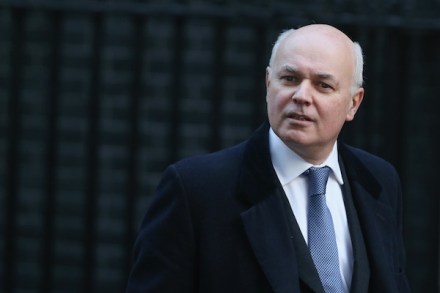
It's been a turbulent few days for the Tory Party following a bitter row over £4 billion of cuts to benefits for the disabled, announced in the Budget last Wednesday, and the resignation of the work and pensions secretary. Today Iain Duncan Smith's replacement will tell the Commons that the proposed changes to disability benefits - known as Personal Independence Payments (PIP) - have been abandoned. Opponents of the move said it could have affected up to 640,000 people, with recipients losing up to £100 a week. And there has been widespread criticism of the Chancellor's decision to cut benefits to the vulnerable at the same time as announcing a rise in the higher rate tax threshold.

Money digest: today’s need-to-know financial news | 18 March 2016

The devil is in the detail - as George Osborne is finding out to his cost. Following the Chancellor's 2016 Budget, delivered to the House of Commons on Wednesday, companies, financial experts and journalists have been poring over the fine print. In a damning verdict, the Institute for Fiscal Studies (IFS) warned that Britons should 'all be worried' about the risk of job cuts and lower wages amid growing concerns of another economic downturn. The economic think tank added that Osborne 'won't be able to sleep at night' because of the likelihood of him not now meeting his pledge to balance the nation’s books by 2020. Meanwhile, the prospect of a Tory revolt over cuts to disability benefits gathers pace.

Budget 2016: the winners and the losers

Was it good for you? George Osborne's 2016 Budget, delivered to a packed House of Commons on Wednesday, has drawn criticism over a looming £55 billion black hole in public finances. But what does it mean for your money? We published a guide to the main changes yesterday. Today Spectator Money looks at reaction to a Budget lauded for pleasing middle England. Income tax More than half a million people will save £400 a year thanks to a rise in the 40p higher rate tax threshold to £45,000 from next April (with the Chancellor sticking to a pre-election pledge to hike the threshold towards £50,000 by the end of the parliament).

Money digest: today’s need-to-know financial news | 17 March 2016

George Osborne gave middle England plenty to smile about in yesterday's Budget by cutting business rates, helping savers and taking 600,000 people out of higher rate tax. Today's Money blog looks at the day after the night before while, in other financial news, Fidelity International has warned that the retirement income gap is not just a problem for older generations of women.

Budget 2016: what it means for your personal finances

So, what did the Chancellor have up his sleeve? And how does it affect you and your money? Here is Spectator Money's guide to the major changes. Income tax George Osborne stayed true to a Conservative pre-election pledge to increase the threshold for the higher rate of income tax. While reiterating that the goal is to raise the higher rate towards £50,000 by the end of the parliament, he announced an increase in the 40p threshold to £45,000 from next April (£42,385 from this April). This will lift half a million people out of the higher rate and save them £400 a year.

What will be in the 2016 Budget?

Fresh austerity measures, changes to income tax and the scrapping of a radical overhaul to the pensions system have dominated the headlines ahead of the 2016 Budget. But what money measures does the Chancellor have in store today? Here's what to expect. Income tax One of the Conservatives' pre-election pledges was an increase in the threshold for the higher rate of income tax towards £50,000 by the end of the parliament, and a rise in the tax-free personal allowance to £12,500. Despite stringent criticism over the funding for these measures (including cutting support for the disabled), George Osborne could raise both faster than anticipated. Fuel Duty Ah, this old chestnut.

Money digest: today’s need-to-know financial news | 16 March 2016

Today's the day. George Osborne will deliver the 2016 Budget amid fears of £4 billion in extra spending cuts, fuel duty rises, and an increase in insurance premium tax. Wednesday's Spectator Money Blog is devoted to what to expect from the Chancellor, from a rowback on an overhaul of the pensions system to help for those on low incomes. In other financial news this morning, it has been revealed that hundreds of thousands of savers are being dragged into tax chaos because the taxman is struggling to cope with Osborne's savings revolution. From April 6, savers will no longer have tax deducted before they are paid interest by a bank or building society.

Money digest: today’s-need-to-know financial news

Ahead of tomorrow's Budget, the financial pages are full of last ditch attempts by MPs, think tanks, businesses and pressure groups to persuade the Chancellor round to their way of thinking. On pensions, the Work and Pensions Select Committee has urged the government to consider giving some women early access to their state pension in return for accepting lower weekly payments. George Osborne has been under pressure to help an estimated 500,000 women born in the 1950s who have seen the age they can claim their pension rise by six years, from 60 to 66 by 2020. Looking at housing, financial firm Paragon has called on the Chancellor to resist making any more changes to the taxation of landlords and instead instigate a root and branch review of the UK’s housing requirements.

Money digest: today’s need-to-know financial news | 14 March 2016

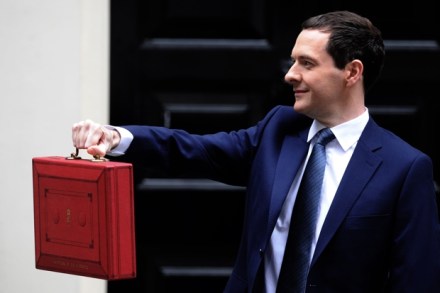
With just a couple of days left before the Budget, it came as no surprise to find the weekend press brimming with speculation about the Chancellor's red box. While George Osborne did the rounds of the Sunday TV shows, news of proposed spending cuts dominated the headlines. The Observer devoted its front page to suggestions that Osborne is under pressure to shelve proposed tax cuts for higher earners. The Resolution Foundation thinktank called on the Chancellor to scrap this key Tory election pledge. Meanwhile, writing in The Sun on Sunday, Osborne appealed to its readers to 'graft now, pay later' but failed to go into any detail on policy.

Money digest: Friday’s need-to-know news

Liverpudlians are enjoying that Friday feeling thanks to new research showing that their city tops the list of affordable property hotspots. According to Which? Mortgage Advisers, Liverpool has seen the average price of a home soar by 40 per cent in the past five years. But the good news is tempered by the fact that prices in the city are still well below the UK average of £200,000. [datawrapper chart="http://static.spectator.co.uk/jkQqd/index.html"] Conwy in South Wales and Bradford are in second and third place with price rises of 37 per cent and 36 per cent respectively. David Blake from Which?

Money digest: today’s need-to-know financial news | 10 March 2016

If you're a customer of one of the 'big six' energy firms, then you're probably paying too much for your gas and electricity. That's the conclusion of an 18-month investigation by the competition authorities. In an eagerly awaited report by the Competition and Markets Authority (CMA), it has emerged that households and small businesses have overpaid to the tune of £1.7 billion a year in total. The 'big six' energy companies are Centrica (which owns British Gas), SSE, Iberdrola’s Scottish Power, RWE npower, E.ON and EDF Energy. Today's findings mean that up to four million households on pre-paid meters could see their energy bills cut thanks to a proposed cap by the CMA.

Money digest: today’s need-to-know financial news | 9 March 2016

As the country wakes up to a grey, drizzly morning, news from Moneyfacts paint a gloomy picture for savers. According to the financial analysts, low interest rates and changes to savings taxation are resulting in 'perhaps the worst Isa season on record'. In the run-up to the end of the tax year, banks and building societies tend to improve their rates in an attempt to attract savers to the tax-free products. But Moneyfacts says that the best easy-access Isa rate is 1.41 per cent, compared to the top rate of 3.15 per cent available five years ago. As for savings in general, there are fears that George Osborne's overhaul of the savings tax regime will cause mass chaos when new rules are introduced next month. The Chancellor is introducing the personal savings allowance (PSA).

Money digest: today’s need-to-know financial news | 8 March 2016

To celebrate International Women's Day, studies have been released with mixed news for women and finance. Women and Debt, a report by the Debt Advisory Centre, found that 1 in 10 women has at least £10,000 of debt. On average, women now have £4,235 of unsecured credit, with the highest levels of debt among those under 45. But what about kids? Another report has discovered that women who become mothers before 33 earn 15 per cent less than their childless peers. But women who have their first child at 33 or older enjoy a wage bonus of 12 per cent compared with similar women who have not had children. This research was carried out for the TUC by the Institute for Public Policy Research.

Pensions: George Osborne loses his nerve

Some have compared it to a farce worthy of Alan Ayckbourn, others have condemned it as a missed opportunity. Whatever your opinion, the Chancellor's U-turn on pensions reform is a blow for low income workers and a boost for middle-class savers. Under proposals mooted by the government (and let's not forget that they were no more than that - proposals), a radical shake-up of pensions was due to be unveiled in the Budget later this month. A raft of measures were under consideration but the one grabbing the headlines focused on a change to tax relief on pensions contributions. Britain's unwieldy pensions system has long been the subject of much debate, not least from successive governments, all of whom have pledged to 'simplify' and 'streamline'.

Money digest: today’s need-to-know financial news | 7 March 2016

During a weekend when two stories dominated the financial news, the papers were awash with comment, opinion and analysis on pensions reform and Brexit. In a climbdown on a radical pensions shake-up which, er, had yet to happen, the Chancellor dropped a plan to scrap up-front tax relief on pension contributions after coming under pressure from business groups and members of his own party. George Osborne's u-turn was condemned by commentators who had been pushing for an overhaul of the pensions system but welcomed by middle class savers who feared they would lose out.

Money digest: today’s need-to-know financial news | 4 March 2016

With a blanket of snow covering parts of Northern England this morning, gas and electricity bills are uppermost in many people's minds. A new report by Which? says that millions of people are paying 'way over the odds' for their energy. According to the consumer group, only a tiny fraction of the cuts in energy costs have been passed onto customers by the big six firms. Which? says that people who change their supplier could save about £400 on their annual bill. Meanwhile, the Competition and Markets Authority is expected to announce next week that it has scrapped plans to introduce a wide-ranging price cap on energy bills after fierce lobbying from the big six suppliers.

A nation of pizza addicts: Domino’s reaps the benefits

In a past life I lived in a flat with a communal hallway. Among the post permanently littering the floor was the usual junk mail detritus: estate agent leaflets, double-glazing pamphlets and takeaway menus. In a development I don't like to talk about at parties, I used to receive envelopes from the local takeaway addressed to 'Pizza Eater'. All these missives contained was a menu. Nothing else. It was a shameful indictment on my love of Hawaiian specials. But it's behaviour like mine that has boosted sales at Domino's. Today the pizza chain revealed 'excellent' results thanks in large part to a massive increase in online orders. Reporting a pre-tax profit of £73.2 million compared with £62.

Money digest: today’s need-to-know financial news

A slice of happiness for pizza fans today as Domino's reveals a hike in its annual dividend by 21.3 per cent to 11.75p per share. Despite making an underlying operating loss of £1.3 million, the takeaway chain confirmed it had opened 61 new stores across the country in 2015. The company also reported an increased pre-tax profit of £73.2 million due to a rise in customers ordering online. And a modicum of good news for homeowners following the publication of Nationwide's February House Price Index. According to Britain's biggest building society, UK house price growth remained 'steady' in February, with prices up 0.3 per cent from January. And a 3.2.