Helen Nugent

Money digest: today’s need-to-know financial news | 6 June 2016

From our UK edition

A story on the front page of today's edition of The Times warns that holidaymakers risk being stranded abroad with huge bills after buying travel insurance that turns out to be worthless. It has emerged that many cheap policies fail to protect families against even the most basic of mishaps, including missed flights, lost bags and medical bills. Some policies were sold for as little as £13. In many cases travellers were hit with such high excesses — the compulsory payments on a claim — that they made the policy almost valueless. Researchers at the comparison site comparethemarket.com, which compiled the study based on an analysis of single-trip policies, found that about 14 per cent failed to reimburse for missed flights.


Money digest: today’s need-to-know financial news | 3 June 2016

From our UK edition

Ker-ching! Children's pocket money has reached its highest level for nine years, according to an annual survey that has been running since the 1980s. Children now receive £6.55 per week from a parent or guardian on average, an increase of six per cent compared to last year, according to Halifax. But there's a gender gap, even at this age. Parents gave boys 13 per cent more pocket money every week than girls in the past year with the gender gap growing from 2 per cent the year before. Halifax's survey, which involved more than 1,200 children and 575 parents, found boys between eight and 15 received an average of £6.93 a week, with girls getting £6.16. It means both sons and daughters have seen their pocket money reach the pre-credit crisis levels of 2007.

Money digest: today’s need-to-know financial news | 2 June 2016

From our UK edition

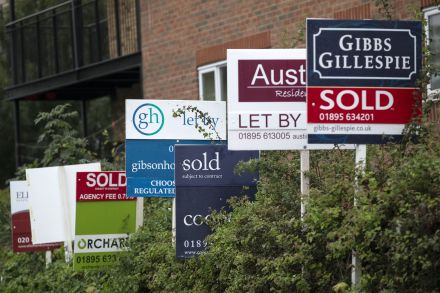
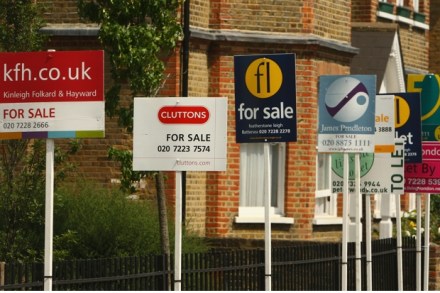
Yesterday the Nationwide Building Society revealed a cooling in the annual rate of UK house price growth. Now the Bank of England has said that, in April, mortgage lending rose at its slowest pace since the height of the 2012 eurozone crisis. The Times reports that the slow crawl followed a significant increase in lending a month earlier when landlords rushed to buy homes before a stamp duty rise came into effect on April 1. According to the Bank of England, net mortgage lending in April rose by £281 million, a fraction of the £7.4 billion increase seen in March and more than 13 times less than the £3.8 billion rise forecast by economists.

Can we fix it? Yes we can. DIY spending soars

From our UK edition

Did you spend the bank holiday weekend with a hammer in your hand, making countless trips to B&Q and cursing the barbecue's failure to light? If so, you weren't alone. New research by Lloyds Bank has revealed that DIY spending has reached its highest level since 2008. Nearly ten years on from the financial crisis, confidence has returned to housing market. Although putting up a shelf or mowing the lawn may not seem like an economic indicator, experts say that an upsurge in home improvements is good news. Andrew Mason, Lloyds Bank mortgage products director, said: 'Taking a DIY approach to home improvements helps cut costs and provides homeowners with the opportunity to put their own distinctive stamp on their property.

Money digest: today’s need-to-know financial news | 1 June 2016

From our UK edition

More evidence today of a cooling in the annual rate of UK house price growth. According to the Nationwide Building Society, the annual rate of house price growth was 4.7 per cent in May, down from 4.9 per cent in April and 5.7 per cent in March. However, in May alone, house prices rose by 0.2 per cent, the same as the previous month. Unsurprisingly, Britain's biggest building society attributed much of the changes to the surge in house-buying in March ahead of new rules for stamp duty in April. Nationwide chief economist Robert Gardner said: 'House purchase activity is likely to fall in the months ahead, given the number of purchasers that brought forward transactions.

Investors and savers are nervous about a Brexit vote

From our UK edition

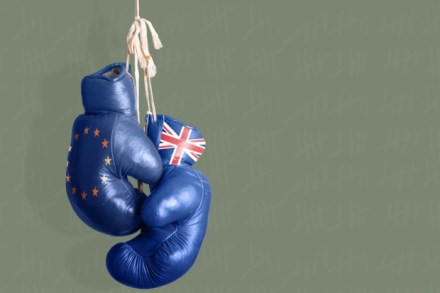
Is anyone else bored to tears of the mud-slinging and vitriol which has come to characterise the Remain and Leave campaigns? With more than three weeks to go until the European Union referendum vote, the Brexit argy-bargy is increasing in volume on a daily basis. Today's shrill story comes from leading figures in the Vote Leave camp. Writing in The Sun, Tories Michael Gove and Boris Johnson and Labour's Gisela Stuart (dubbed 'The Three Brexiters' by the red-top - there's a fetching photoshop job if you want to check it out) say they want to be able to scrap VAT on fuel to help the poorest households.

Money digest: today’s need-to-know financial news | 31 May 2016

From our UK edition

Oh we do like to be beside the seaside...but it comes at a cost. According to the latest research from Halifax, house prices have increased by a third across British seaside towns over the past decade. The annual Halifax Seaside Town Review revealed average house prices have grown from £166,565 in 2006 to £219,386 in 2016, equivalent to an average increase of £440 per month. The UK's most expensive seaside town is Sandbanks in Dorset, with the average house price there nearly £665,000. Salcombe in Devon, where the average home is worth £539,950, came second. Unsurprisingly, eight of the top 10 most expensive seaside towns were in south-west England.

Money digest: today’s need-to-know financial news | 27 May 2016

From our UK edition

If as a teenager you couldn't leave home quick enough, spare a thought for the 3.8 million young adults who will be living with their parents by 2025. That's the conclusion of a study by the insurer Aviva. The company found that a million more 21 to 34-year-olds are likely to find themselves living with their parents over the next decade thanks to the prohibitive cost of housing. The number of households containing two or more families is also expected to rise, from 1.5 million to 2.2 million. Meanwhile, Hometrack reports that house prices in the UK’s biggest cities have jumped due to the buy-to-let surge, with Cambridge outpacing its rival Oxford. Average price growth in April was 10.4 per cent compared to the same time last year.

Money digest: today’s need-to-know financial news | 26 May 2016

From our UK edition

More news about unscrupulous payday loan companies today. The Financial Ombudsman has revealed that complaints about these firms rocketed by 178 per cent in the year to March. That is despite the fact that new controls on lenders were brought in by the regulator several months earlier. There were 3,216 complaints about short-term loans in 2015/16, compared to 1,157 the year before. But Payment Protection Insurance remained the most complained-about financial product. There were 188,712 complaints about PPI over the year, a drop of 8 per cent on 2014/15.

Chaos at HMRC leaves taxpayers out of pocket

From our UK edition

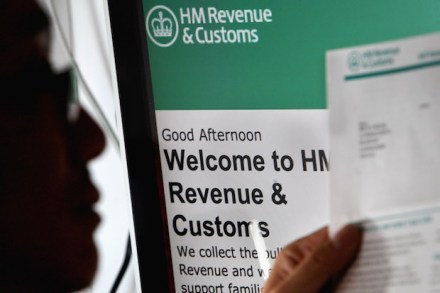
Pity the taxman. As reviled professions go, it's up there with estate agents, traffic wardens and, er, journalists. Now comes the news that more than three million people may have paid the wrong tax after chaos at HM Revenue & Customs left callers waiting for over an hour to speak to staff last year. In a stinging report, the National Audit Office said that the quality of service at HMRC 'collapsed' over an 18-month period between 2014 and 2015. Call waiting times tripled during that time, as some customers were kept on hold for up to an hour. One in five callers – 4.2 million people – hung up after waiting an average of 16 minutes each for an answer.

Money digest: today’s need-to-know financial news | 25 May 2016

From our UK edition

Another day, another story of ineptitude by the taxman. According to The Telegraph and other news outlets, more than three million people may have paid the wrong tax after chaos at HM Revenue and Customs left callers waiting for over an hour to speak to staff last year. In a savage report by the National Audit Office, it said that a decision to cut jobs in HMRC meant that call waiting times tripled to 47 minutes last October as paper tax returns were due. The Whitehall auditors said HMRC got its timing badly wrong when rolling out its digital strategy, which involved moving more personal taxpayers online and reducing demand for telephone and postal contact. More than 5,000 people were moved away from its call centres at a critical time.

Is the cashless society a good thing? Definitely not

From our UK edition

On a quiet news day, not much happens if you're a reporter. It's tempting to sit back, surf the internet, check your social media profiles and mull over dinner prospects. Then there's the lure of online shopping sites: ASOS, Amazon, you name it, they're there at the click of a button. Ordering online can be dangerous. It doesn't really feel like spending money, particularly if you have a debit or credit card set up already. All it takes is a few seconds to spend hundreds of pounds. I know because I've done it. Now comes the news that we are moving ever closer to becoming a cashless society.

Money digest: today’s need-to-know financial news | 24 May 2016

From our UK edition

Summer is approaching and with it the news that, in a boost to Britain's tourist industry, nearly one third of Britons will take holidays in the UK this year. According to Asda Money, British holidaymakers will spend an average of £1,310 on their summer breaks, with people in the East Midlands the most likely to choose home over abroad for a holiday. Asda Money says that going on holiday as a family will cost £782 in accommodation and transport and £529 in spending money. Meanwhile, Gocompare.

Money digest: today’s need-to-know financial news | 23 May 2016

From our UK edition

Britain moved another step closer to becoming a cashless society last year. According to Payments UK, which represents the major banks, building societies and payment providers, 2015 was the first year that cash was used for less than half of all payments by consumers. The story made it to the front page of The Guardian. The paper reported that cash usage will be eclipsed by debit cards and contactless payments by 2021. As for 2015, cash made up 45.1 per cent of payments, compared with 64 per cent in 2005, and is expected to fall to just a quarter by 2025. More than one billion 'wave and pay' transactions took place last year. Since the start of 2016, contactless use has gathered pace, particularly on the London Underground network.

Money digest: today’s need-to-know financial news | 20 May 2016

From our UK edition

As the digital revolution continues apace, it has emerged that Britons over the age of 60 are the fastest growing group of people taking to contactless card payments. According to Barclaycard, contactless spending within the older age group has more than doubled in the last year. Its growth has been most noticeable in Manchester, Glasgow, Cardiff and Edinburgh. Separate figures showed that total spending on contactless cards hit £1.5 billion for the first time in March. The Barclaycard data suggests the number of silver surfers using 'touch and go' payments increased by 116 per cent over the last 12 months. The Times reports that British shoppers have provided a glimmer of good news for the economy after retail sales rebounded in April.

Money digest: today’s need-to-know financial news | 19 May 2016

From our UK edition

A 'digital revolution' was at the heart of the Queen's Speech yesterday, including a new legal right to fast broadband under plans to bring rural areas and unconnected households into the 21st century. That's according to this morning's front page of The Times. The paper reports that a law enshrining the right to broadband will mean that up to a million people in rural areas, who have long suffered terrible coverage, can demand a better service. It brings internet connectivity into line with the right to get electricity, telephone and postal services.

In case of emergency…hike up the price

From our UK edition

My phone rings. 'Hi, it's your editor here. We need an article in a hurry, it's a bit of an emergency. Can you do it quickly?'. I reply: 'Yes, but I'll have to raise my rate by 500 per cent.' My career at The Spectator would be pretty short-lived if I tried that on. But it's exactly what plumbers do - and they get away with it. A new study from Direct Line Home Insurance has revealed the so-called 'plumber premium' if you need a tradesperson to fix a leak in an emergency. While the average increase in a plumber's hourly rate for this kind of work is an imposing 117 per cent, researchers found examples of 500 per cent rises. In pounds and pence, that's an eye-watering amount to plug a leak.

Money digest: today’s need-to-know financial news | 18 May 2016

From our UK edition

It's an oft-used phrase but the popularity of 'the Bank of Mum and Dad' shows no sign of waning. New research shows that one third of parents have been under financial pressure as a result of bailing their children out financially. According to the information services company Experian, over half of parents surveyed said that adult children had drawn from the Bank of Mum and Dad an average of four times and to the value of £6,000 since becoming financially independent. Meanwhile, results from a survey by YouGov, commissioned by Royal London, reveal almost five million renters in the UK have no plans in place to cover their rent if they became too ill to earn for three months or more, even though recent cuts to housing benefits could leave them at risk.

Money digest: today’s need-to-know financial news | 17 May 2016

From our UK edition

It's been nearly two years in the making but now a sweeping investigation into Britain's £10 billion-a-year banking business has concluded that overdraft fees should to be capped. The recommendation by the competition watchdog is part of a package of measures that could save customers £1 billion over five years. The Competition and Markets Authority's report into personal and business banking says competition is weak in the banking industry. But it stopped short from suggesting that the biggest banks should be broken up, saying that would not 'significantly improve' the market. The regulator said it was hard for customers to work out whether they were getting good value from their banks because charges were so complicated.

Money digest: today’s need-to-know financial news | 16 May 2016

From our UK edition

There's some good news for homeowners this morning: asking prices for houses jumped to a new record high of £308,151 on average in May, according to property website Rightmove, Thisismoney reports that some towns have seen ‘eye-watering’ increases while across England and Wales, the average price tag on a property coming to market has risen by £1,118 on last month. The price increase comes despite a three percentage point stamp duty hike for buy-to-let investors, imposed from April 1, which it was thought would take some heat out of the market. But the rush from homebuyers in March to beat the extra stamp duty on buy-to-let properties and second homes has led to a property 'drought'.