Helen Nugent

Money digest: today’s need-to-know financial news | 13 April 2016

From our UK edition

If you're worried about your energy bills, you'll find little comfort in a report by the Daily Express today which says that gas and electricity wholesale prices have dropped to their lowest level in nearly a decade, sparking calls for suppliers to cut bills by 10 per cent. Prices have averaged at nine-year lows over the first quarter of this year, according to industry analysts at the ICIS Power Index. Comparison website uSwitch seized on the figures to call on suppliers to reduce standard tariffs by a further 10 per cent. Ann Robinson, director of consumer policy at uSwitch.com, said the numbers showed that consumers have 'yet again' been 'short-changed by token gesture price cuts'. UK inflation as measured by the Consumer Prices Index rose to 0.

Debt-free in retirement? Dream on

From our UK edition

My parents are lucky. They're in their 60s, mortgage-free and not bogged down by any personal loans. But if new research is to be believed, they are likely to be one of the last generations to enjoy this financial freedom in retirement. Saga Personal Finance has found that one in eight of the over 50s still has a mortgage. And the figure for so-called 'second-lifers' - people aged 50 and above who have children with a new partner following a previous marriage or long-term relationship - is one in five. There's more bad news. The average mortgage debt owed by second-lifers is significantly higher than the typical amount for people their own age without a new family.

Money digest: today’s need-to-know financial news | 12 April 2016

From our UK edition

Police are being asked to investigate more financial crime against the elderly than ever before, according to an exclusive story in The Times today. In what must be many families' worst nightmare, the paper found that adult social services received allegations of 21,935 cases of theft and fraud against elderly victims in the 12 months to March last year, with 4,168 of them relating to carers. Now families are being told to install hidden cameras in the homes of vulnerable elderly relatives. Calls to a national helpline for elderly people who believe they are suffering financial abuse rose from 3,500 to 7,529 last year. The value of money and goods stolen was estimated at £18 million by the charity Action on Elder Abuse, which runs the helpline.

Money digest: today’s need-to-know financial news | 11 April 2016

From our UK edition

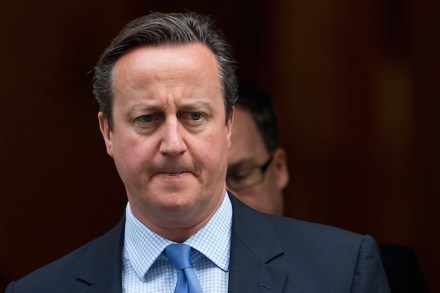
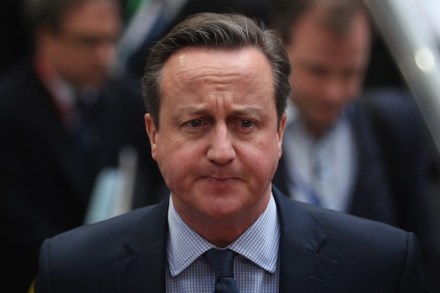
Today's newspapers - and the weekend press for that matter - are dominated by the story that refuses to go away. David Cameron must be wishing he could turn back time after a week defending his personal finances following the publication of the 'Panama Papers'. The leak of more than 11 million papers documenting the tax affairs of the rich and famous included information about the Prime Minister's late father's offshore fund. Amid mounting pressure and criticism over his handling of the revelations about his father, Cameron attempted to defuse the row by publishing data on his 2009-15 tax and earnings including a £200,000 gift from his mother.

Money digest: today’s need-to-know financial news | 8 April 2016

From our UK edition

House prices increased more than £20,000 in the year to March to a new record high as annual UK house price inflation returned to double-digit growth for the first time in almost two years, according to the latest Halifax house price index. Buyers chasing a low stock of homes for sale sent prices rising by £21,587 or 10.1 per cent in the three months to March, compared to the same period a year ago. The average price is now £214,811, Halifax said. This is the biggest annual jump since July 2014 and the second biggest since the run-up to the financial crash in September 2007.

Money digest: today’s need-to-know financial news | 7 April 2016

From our UK edition

Millions of internet users face costs of up to £60 a year to keep their email address if they switch broadband provider. Others risk losing their account altogether if they switch. This is according to Thisismoney.co.uk which reports that BT is tripling the amount former customers will have to pay to keep their BT email address when they switch provider. The charge used to be £1.60 a month but from May it will be £5 – a massive £60 a year. Meanwhile, a new study suggests that the new state pension - which came into force yesterday - would cost retirees around half a million pounds if bought on the open market. The new flat rate state pension pays out £155.

Counting the cost of becoming a nation of renters

From our UK edition

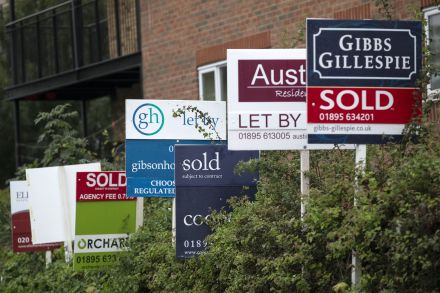
Proof, if proof was needed, earlier this week that property prices in the capital are out of control. Research by Savills estate agents found that house prices in the London commuter belt increase by more than £3,000 for every minute the property is closer to the city by train. What's that you say? £3,000? Per minute? In the North of England that would buy you six months rent in an attractive suburb of a major city. Add into the equation that the average house price in inner London is £606,000, and house prices across the country continue to climb - the UK average is more than £212,000. No wonder then that we're becoming a nation of renters.

Money digest: today’s need-to-know financial news | 6 April 2016

From our UK edition

Today marks the implementation of the new state pensions system amid fears that millions will lose out. While the self-employed and women who have taken career breaks will be the biggest beneficiaries, many of those in their 20s and 30s will receive less than they would under the old system. In the biggest shake-up to the state pension since it was introduced more than a century ago, a single tier or flat rate scheme worth £155.65 a week will be introduced. But figures from the Pensions Policy Institute suggest 11 million in their 20s and 30s could be worse off. Other losers include widows. This is because the the top-up scheme known as the state second pension has been abolished.

Flood Re: help for homeowners in flood-stricken areas

From our UK edition

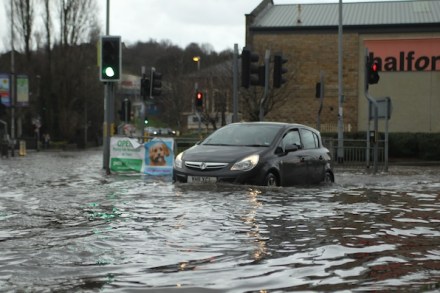
If you're not familiar with the nuances of the insurance industry (and quite frankly, who is?), then the name Flood Re may seem odd. It's the moniker given to a new government-backed scheme designed to help homeowners in flood-stricken areas reduce their insurance premiums. Launched yesterday, Flood Re is the first of its kind in the world. A joint initiative between the insurance industry and the government, its title derives from the word 'reinsurance'. It's essentially a type of company that allows insurers to insure themselves - in this case against losses because of flooding.

Money digest: today’s need-to-know financial news | 5 April 2016

From our UK edition

Two days after a huge leak of more than 11 million documents from Mossack Fonseca, a Panamanian law firm, the newspapers are still dominated by the so-called 'Panama Papers' and the revelations about international tax avoidance. Now the Prime Minister has become embroiled in the scandal after details emerged of his late father's offshore investments. According to The Times, Ian Cameron's multimillion-pound investment fund paid no British tax for 30 years. The Telegraph reports that that the 'good times are over' for motorists after the cost of petrol rose for the first time in eight months.

Money digest: your need-to-know financial news

From our UK edition

The weather has rarely been out of the news over the past few months following devastating flooding across the country. Today there's a glimmer of hope for homeowners as Flood Re gets underway. Under the terms of this new government-backed scheme, people who live in areas susceptible to flooding should be able to access cheaper home insurance. The scheme is partly funded by a charge to insurers for each policy passed to the scheme and a levy on all UK home insurers. But research by home insurer Admiral suggests more needs to be done to educate those affected as only one in seven of us have heard of the scheme.

Money digest: today’s need-to-know financial news | 1 April 2016

From our UK edition

It's April Fools' Day but a raft of price hikes due to come into force today are no laughing matter. As workers welcome the introduction of the new mandatory National Living Wage (NLW), a slew of changes to taxes and household charges will mean fewer pounds in people's pockets. Among the cost increases are water bills, up by £2 a year in England and Wales. Air Passenger Duty rises by almost 3 per cent on long-haul flights to £73, and prescription charges increase to £8.40 in England. Meanwhile, the cost of an NHS dental check-up goes up 5 per cent to £19.70, and some mobile phone customers of Three, O2 and EE will see higher bills for monthly contracts.

Money digest: today’s need to know financial news

From our UK edition

New research from Aviva is making headlines this morning after the insurer revealed statistics on so-called 'crash for cash' claims. Of its 3,000 motor insurance claims last year, a quarter were in Birmingham, making the city England's crash for cash capital. The study also showed Leeds, Harrow, parts of London, Bradford, Luton, Coventry and Oldham were all in the top 10 hotspots. The figures include induced accidents, where innocent motorists are targeted, as well as staged accidents, when two damaged cars are brought together to make it look like an accident. On an equally gloomy note is the news that the cost of the most basic funeral can drive families into debt.

Money digest: today’s need-to-know financial news | 30 March 2016

From our UK edition

A crackdown on the buy-to-let market makes it to the front page of a number of this morning's newspapers following recommendations published by the Bank of England yesterday. The Bank announced criteria that will make it tougher to secure a loan on a buy-to-let property, including forcing all applicants to pass an affordability test based on a rise in interest rates to 5.5 per cent from today’s low of 0.5 per cent. Under the proposals, banks will have to take into account all the costs to a new landlord of owning the property as well as the personal tax liabilities and existing expenses of a potential borrower.

A common sense approach to pensions

From our UK edition

When the government implemented radical new pension freedoms a year ago, it was the most fundamental reform to the system in almost a century. And, like so many eye-catching changes, it was given a political spin. 'Freedom and choice in pensions' was how it became known. Sounds good, doesn't it? It's hard to argue with words like 'freedom' and 'choice', but there were plenty of people who doubted the efficacy of the new regime. Put simply, ministers abolished the requirement to buy an annuity and introduced new ways to access pension savings. As in the past, pension holders can still take 25 per cent of their pension pot as a lump sum.

Money digest: today’s need-to-know financial news | 29 March 2016

From our UK edition

If the thought of work after the long Easter weekend fills you with dread, look away now. A new study suggests that one in five people think they will be working after the age of 70. Willis Towers Watson, a global financial services firm, found that people under the age of 40 were more likely to think they would be staying in jobs until they were 70. Some of the 2,000 workers it questioned thought they would never be able to retire. Fiona Matthews from Willis Towers Watson said: 'These figures put into sharp focus the worries that British workers have about their long-term savings and financial security in old age. This is already causing stress and having a negative impact on their health.

Money digest: today’s need-to-know financial news | 24 March 2016

From our UK edition

It's not easy to keep track of household bills. Now new research has revealed that more than a third of people do not know how much it costs to run their home. Householders vastly underestimate the true costs, which are on average £1,505 a month for homeowners and £1,819 a month for tenants. Those surveyed by property website Zoopla believed the monthly costs are just £812 and £1,227 respectively. Victims of online fraud should no longer be refunded by banks if they fail to protect themselves, according to Britain’s most senior police officer.

Money digest: today’s need-to-know financial news | 23 March 2016

From our UK edition

After years in the doldrums, the reinvigorated housing market continues apace. With a stamp duty stampede attributed to rising prices in London, the south east and the east of England, the boom shows no signs of petering out. According to the Office for National Statistics, house prices nationally rose by 7.9 per cent in the year to January. That lifts the average price of a home to £292,000, although surveys from estate agents have suggested that the real figure could be even higher. Houseowners in England are reaping the biggest rewards, the figures suggest. Prices rose by 8.6 per cent in England in the year to the end of January, the ONS said, while property prices went up by 0.1 per cent in Scotland and 0.8 per cent in Northern Ireland, and fell by 0.

Spring is in the air but energy bills still set to rise

From our UK edition

It's officially Spring, bringing it with the prospect of sunshine, longer days and warmer weather. So you could be forgiven for breathing a sigh of relief over falling energy bills. Not so fast. Thousands of homeowners are set for energy bill hikes in the next two weeks, with 29 fixed-rate tariffs due to expire at the end of March. According to the price comparison website MoneySuperMarket, customers on these tariffs are likely to face automatic bill increases of up to £252, with providers rolling them onto standard tariffs, which are typically their most expensive. Given the historic nefarious practices of some energy companies, it should come as no surprise that this is happening.

Money digest: today’s need-to-know financial news | 22 March 2016

From our UK edition

In a world where fewer and fewer people use their landlines to make calls, new proposals from the Culture Minister will be welcome news. Under plans unveiled today, Ed Vaizey said that phone companies could be banned from charging for landlines. He accused BT and other telecommunications providers of charging households for landlines that they often did not use. Householders can be made to pay around £25 a month for landlines even if they do not make calls on them as part of broadband packages. It is estimated that one in five customers do not use landlines but still pay for line rentals. Vaizey has written to BT, virgin, Sky and TalkTalk to call for urgent talks. He described it as an ‘analogue billing system in a digital world’.