Helen Nugent

The pre-payday pinch: how to manage your finances

From our UK edition

Are you skint? Is payday merely a blip in the month, a day where you make your minimum credit card repayment, settle the mortgage, buy groceries and keep you fingers crossed that you'll survive another few weeks? If this sounds familiar, then you're not alone. New research from Money Advice Service has found that one in eight workers run out of their monthly wages within ten days of being paid. What’s more, a third of all employees struggle to make their money last most months — equivalent to 10.4 million working people nationwide. Dubbed the 'pre-payday pinch', this isn't a modern phenomenon. But that doesn't make it any less unpleasant. Counting the hours until payday is never fun, particularly if those hours run into weeks.

Pensioners, broadband, water bills and savings rates

From our UK edition

Pensioners have enjoyed a substantial rise in income since the financial crisis but young people have suffered a drop, according to the Institute for Fiscal Studies. The BBC reports that pensioners are now the least likely group to be in income poverty. The IFS study also said that living standards were likely to get worse because of the UK vote to leave the EU. On average, incomes rose by 2 per cent in real terms between 2007/08 and 2014/15, according to the IFS. However, that figure concealed very different experiences for different generations including: incomes for those aged over 60 rose by 11 per cent over the period, when measured before housing costs, and those aged 31 to 59 have had no change in incomes. But incomes for those aged 22 to 30 have fallen by 7 per cent.

Millennials, the Bank of Mum and Dad and debit card rip-offs

From our UK edition

New research suggests that millennials will be the first generation to earn less than their predecessors over the course of their working lives. The Resolution Foundation found that under-35s earned £8,000 less in their 20s than Generation X workers. If wages for millennials follow the same path as Generation X, average career earnings will be about £825,000. Even if millennials' wages improved rapidly like those of their baby boomer parents born after World War Two, their lifetime earnings would be about £890,000, according to the foundation. There's more bad news for millennials: the Resolution Foundation also estimates that they will spend £44,000 more on rent by the time they reach 30 than baby boomers did.

Interest rates, housing shortage, debt problems and pension woes

From our UK edition

Despite speculation that it would cut rates, the Bank of England held the UK's main interest rate at 0.5 per cent yesterday. The Monetary Policy Committee voted 8-1 to leave rates unchanged, but minutes of the meeting showed most members expect the Bank will take some action next month. The Bank said: 'Most members of the committee expect monetary policy to be loosened in August. The precise size and nature of any stimulatory measures will be determined during the August forecast and Inflation Report round.' Interest rates have remained on hold since the Bank cut its key rate to the record low of 0.5 per cent in March 2009. Kevin Caley, chairman of peer-to-peer lender ThinCats, said: 'The Bank of England may have kept interest rates at 0.

Interest rates, housing demand and pension fears

From our UK edition

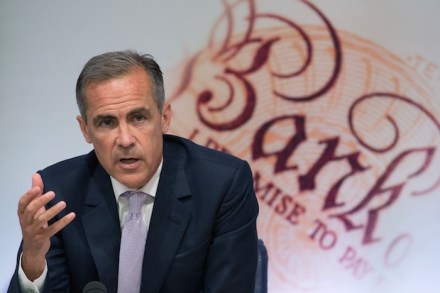
The Bank of England could make the first cut to UK interest rates in more than seven years at lunchtime today. The governor Mark Carney has previously indicated that the Monetary Policy Committee would vote to cut rates in July or August. The probable reduction from 0.5 per cent to 0.25 per cent is intended to boost the UK economy in the wake of the Brexit vote. Although a cut is not certain, financial markets put the probability at about 80 per cent. The FTSE 100 opened higher ahead of the expected rate cut. Shortly after opening the share index was 0.82 per cent or 54.77 points higher at 6,725.28. The FTSE 250 share index, which some regard as a more accurate reflection of UK business, was up 0.64 per cent or 108 points at 16,859.

Pension woes, cold-calling, tax bills and spare cash

From our UK edition

Britain’s gold-plated pensions now have record-breaking liabilities of £1.75 trillion. The Telegraph reports that the EU referendum triggered a rout in their core gilt and equity holdings. The UK has almost 6,000 defined benefit schemes - plans which pay members an amount in retirement tied to their final salary. Just 950 of these schemes were in surplus on June 30, with the rest hoping to make up the shortfall from long-term investment returns. In total, defined benefit funds are £383.6 billion underwater, compared to £294.6 billion just a month ago, as the tumbling UK government bond yields added to liabilities while global stock markets wiped value from the schemes’ equity investments.

Overdraft costs are at record highs – and likely to stay that way

From our UK edition

Mortgage rates are at record lows, personal loan rates have fallen, credit card deals are better than ever and the base rate has been stuck at 0.5 per cent for the past seven years. There's even speculation that the Bank of England will cut it later this week. So why are current account customers paying through the nose for overdrafts? Days after it emerged that going overdrawn on a current account without permission can be up to four times more costly than taking out a payday loan, analysis by Moneyfacts has revealed that 'extortionate fees' have pushed overdraft costs to a new high. According to Moneyfacts, even authorised overdrafts can cost borrowers as much as £180 a year (we're looking at you Halifax and Santander).

Savings cuts, energy deals, retirement income and motor insurance

From our UK edition

The first half of 2016 was a total wipe-out for savers, an analyst has said. Research from Moneyfacts.co.uk shows that, since the start of the year, savers have witnessed a vast number of rate cuts, which have caused rates to plummet to new lows. For example, the average five-year fixed rate has fallen by 0.63 per cent since January. There have been more than 900 cuts to savings rates since the beginning of the year compared with 111 rate increases. Savers must brace themselves for 'tougher times ahead', Moneyfacts said. There is speculation that the Bank of England will cut rates this week.

Frequently forget where your car is parked? It could cost you more than a red face

From our UK edition

Now that I've reached my 40s, I've started to notice a number of entirely unwelcome lifestyle changes. An involuntary 'ooh' when I sit in a comfy chair. A feeling of relief when a friend cancels a night on the town. A fear that I might need bifocals. A refusal to go down the pub unless I can get a seat. Perhaps most worrying is my memory. I've always been scatty and I spend a fortune on Post-it notes. But last week I went to the post box and returned home with the letter still in my hand. It's not an encouraging sign. On the up side, I've still some way to go before I turn in to my dad. Frequently forgetful, he surpassed himself the time we left a football match early to beat the traffic.

Employment, overdrafts, consumer spending and pensions

From our UK edition

Employers have responded to the new National Living Wage by increasing prices or reducing profits rather than cutting jobs, according to a survey from the Resolution Foundation. The wage, which requires employers to pay staff aged 25 and over at least £7.20 an hour, was introduced in April. This report is the first snapshot of how firms have reacted to the New Living Wage. It comes after the Office for Budget Responsibility predicted it would lead to 60,000 job losses by 2020. Graduates Meanwhile, The Times reports that top companies are poised to slash graduate recruitment in the wake of Brexit as the famed 'milk round' turns sour.

Cheap mortgages, property funds and pension complaints

From our UK edition

Mortgage rates are continuing to drop, as the markets bet on a cut in interest rates next week. A 10-year fixed rate launched by Coventry Building Society is thought to be the cheapest such deal on record at 2.39 per cent. The BBC reports that Barclays, HSBC, Metro Bank, the Leeds and the West Bromwich Building Society are among other lenders who have cut rates since the EU referendum. The new HSBC 10-year fixed rate loan has a rate of 2.79 per cent. Economists think there is a 78 per cent chance of a cut in base rates next Thursday. Consumer confidence Consumer confidence has seen its sharpest drop in 21 years after the UK vote to leave the EU, a survey suggests. The market research firm GfK conducted an online survey of 2,000 people after the result was known.

House prices, property funds, credit cards and tax

From our UK edition

Annual house price growth eased to 8.4 per cent in the month of June, the lowest rate in a year, according to the Halifax, the UK's largest mortgage lender. The quarterly rate of growth was 1.2 per cent, the slowest since December 2014. Nevertheless, the average price of a house rose to another record high, at £216,823. The figures pre-date the result of the UK's EU referendum, which many economists believe will slow house price inflation even further. Markets Shares in London have opened almost 1 per cent higher and the pound has made some modest gains - but it remains around a 31-year low. The 100 share index was up 56.39 in early trading to 6,519.98. The pound rose 0.22 per cent against the dollar to $1.2959 and was 0.

Market uncertainty, property funds and credit card charges

From our UK edition

More gloom and doom on the markets this morning after the pound hit a new low in Asian trading as concerns about the UK's vote to leave the European Union continued to undermine investor confidence. It touched 1.2798 against the dollar on Wednesday, a 31-year low, before recovering slightly to $1.2929. According to the BBC, the pound has now fallen about 14 per cent against the dollar since hitting $1.50 ahead of the referendum result. However, at the time of writing, the FTSE 100 had changed course and was up 0.3 per cent at 6,569 points. It's a different story on the story on the FTSE 250 though - which contains more UK-focused companies than the FTSE 100. It has fallen almost 0.4 per cent.

‘Silver splitters’ are the new generation of renters

From our UK edition

Do you have a dream? What's your dream? Is it to see out your twilight years in a home you own outright, having freed yourself from the shackles of the mortgage lender? If so, that's a good dream. Sadly, social upheaval, a rise in the divorce rate, access to easy credit and the growth in lifetime mortgages have all combined to make that ambition more of a pipe dream than a reality. Yesterday came the news that up to one in ten over-55s homeowners across the UK still have interest-only mortgages. This means they must pay the entire capital debt off when the deal runs out. According to the over-60s property expert Homewise which conducted the research, the average amount owed by this group is around £91,000, with one in seven owing more than £150,000.

Banks, Brexit reassurance and identity theft

From our UK edition

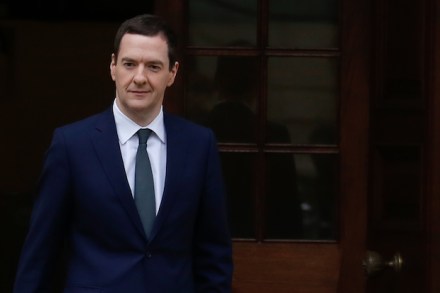
George Osborne will meet bank bosses today to discuss Brexit. Ahead of the meeting, business groups have called on the Government to move ahead with infrastructure projects and provide reassurance for EU workers living in this country. 'This may be a time for calm reflection, but it is not a time for inaction,' five of the UK's biggest business groups said in an open letter. The British Chambers of Commerce, the Confederation of British Industry, the Federation of Small Businesses, the Institute of Directors, and EEF, the manufacturers' organisation, signed the letter saying ministers needed to show 'clear leadership'. Meanwhile, Standard Life Investments has suspended trading in its UK property fund blaming 'exceptional market circumstances' following the EU referendum result.

From small beginnings grow multi-billion pound financial industries

From our UK edition

Have you ever wondered what led to the birth of the modern insurance industry? No, me neither. But it turns out that the Great Fire of London was the catalyst for what is today a multi-billion pound industry encompassing everything from contents, cars and caravans to pets, festivals and holidays. I admit to finding that interesting. This year marks the 350th commemoration of the Great Fire of London, an event which started in a bakery on Pudding Lane and went on to devastate more than 13,500 homes and 87 churches, including St Paul’s. Estimated rebuilding costs were £10 million in the 17th century.

Cutting corporation tax, pension fears and uninsured drivers

From our UK edition

The Chancellor has floated a plan to cut corporation tax to encourage businesses to continue investing in the UK following the Brexit vote. In an interview with the Financial Times, George Osborne said he would reduce the rate to below 15 per cent. The current rate is 20 per cent rate. A new low rate would give the UK the lowest corporation tax of any major economy. 'We must focus on the horizon and the journey ahead and make the most of the hand we've been dealt,' Osborne told the FT. But former World Trade Organization chief Pascal Lamy said the Chancellor had to consider what the European Union would think.

Drowning in debt? You’re not the only one

From our UK edition

Take a look in you wallet. As well as your debit card, receipts and photos of loved ones, what else is in there? A credit card? Two credit cards? Three? This week marked the 50th anniversary of the credit card. In the year that England last won the World Cup (yes, I know football is a sore topic at the moment), The Beatles released Revolver and the inaugural Star Trek episode was broadcast, Barclaycard was the first company to issue these innocuous bits of plastic. The company sent out some 1.25 million plastic cards to Barclays customers from 29 June 1966. Half a century later and the bank says it has 10.5 million consumer customers as well as many more business clients. Overall, about 60 million credit cards are in circulation in the UK.

First UK bond yield turns negative, first-time buyers and free electricity

From our UK edition

UK shares have risen for the third successive day after Mark Carney said the Bank of England could cut interest rates following the Brexit vote. In a speech yesterday afternoon, the Bank of England governor hinted at fresh stimulus measures following the referendum. According to the BBC, the FTSE 100 index opened 0.63 per cent higher this morning, while the FTSE 250 is higher by 0.42 per cent. The pound is currently trading flat against both the euro and the US dollar. A surge in investors seeking out safer investments means that, for the first time, the return from a UK government bond has turned negative - the gilt that matures in March 2018 is offering a 'return' of minus 0.04 per cent.

Brexit reassurance, housing uncertainty and UK borrowing

From our UK edition

Later today the Bank of England governor will aim to reassure nervous investors following the EU referendum. Markets remained calm ahead of Mark Carney's speech although UK shares dipped slightly while the pound remained steady, as the market recovery seen over the past couple of days stalled. According to the BBC, the FTSE 100 share index was down 0.3 per cent at 6,339.15 in early trade. But it remains near the level it closed at last Thursday before the referendum result was known. The pound was little changed against both the dollar and euro, although it remains well below levels reached before the referendum.