Is an early election on the cards?
14 min listen
With economic growth of over seven percent forecast for 2022, could 2023 be an election year? Katy Balls speaks to Fraser Nelson and James Forsyth about the next poll's likely date.
Fraser Nelson is a Times columnist and a former editor of The Spectator.
14 min listen
With economic growth of over seven percent forecast for 2022, could 2023 be an election year? Katy Balls speaks to Fraser Nelson and James Forsyth about the next poll's likely date.
13 min listen
Unions are threatening strike action after the government recommended a one per cent pay increase for nurses in England. Will the backlash force a U-turn, and what will the public make of it? Katy Balls talks to James Forsyth and Fraser Nelson.
14 min listen
Chancellor Rishi Sunak pledged a further £65bn in today's budget, bringing the government's total spending during coronavirus to more than £400bn. But aside from splurges on extending furlough and the Universal Credit uplift, and new 'restart grants' offered to ailing businesses, the first belt-tightening measures were announced. Income tax thresholds will be frozen, and cooperation tax on profitable companies will rise from 19 to 25 per cent in 2023. Katy Balls speaks to Fraser Nelson, James Forsyth and Kate Andrews about what it all means.
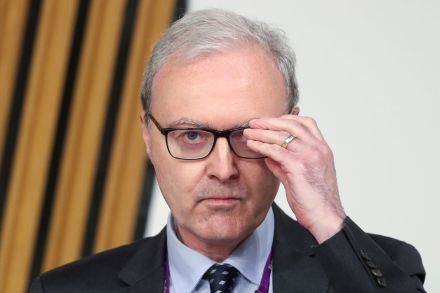
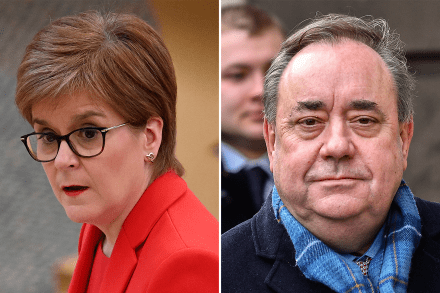
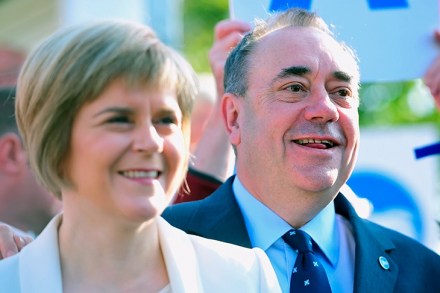
The Alex Salmond inquiry is about far more than his allegations against Nicola Sturgeon and her government: it offers alarming insights into the extent and scope of political power in Scotland. In particular, the way in which the Crown Office, Scotland’s government prosecutors, pressured the devolved parliament into censoring Salmond’s evidence. It’s all the more worrying because the Lord Advocate, who runs the Crown Office, is a serving member of Sturgeon’s Cabinet. It was his turn to face that committee today. James Wolffe QC started by reminding them that they were dealing with someone above them. 'The actions of the Crown are not within the remit of the committee', he said in his first sentence.
16 min listen
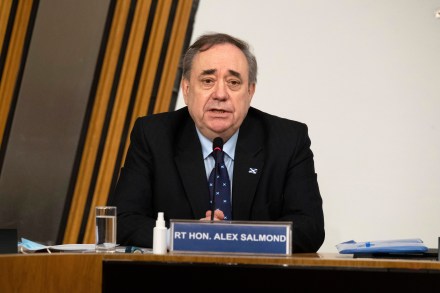
Katy Balls, James Forsyth and Fraser Nelson discuss Alex Salmond's appearance before the Holyrood inquiry into how the Scottish government handled complaints of sexual misconduct made against him.
When The Spectator went to High Court in Edinburgh to seek clarification over the Alex Salmond case, we did not act out of chumminess or a conviction that he was telling the truth. We are not natural allies of his. We are not sure if his explosive claims are correct, but we are sure that they should be scrutinised by a free press and free parliament. Sturgeon's allies were instead dealing with his allegations against her by seeking to stop Salmond's full story ever being told. The SNP-led investigating committee had said it would not publish his submitted evidence - which, as they knew, would mean he would not appear in front of them. The pretext?
19 min listen
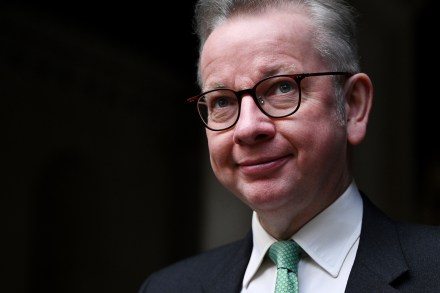
Michael Gove will lead a government review into immunity passports. Does his appointment make IDs a foregone conclusion, what will they look like, and when can we expect to see their domestic rollout? Katy Balls speaks to Fraser Nelson and James Forsyth.
20 min listen
Alex Salmond has pulled out from his appearance in front of the harassment complaints committee, where he was expected to give evidence about an alleged breach of the ministerial code by First Minister Nicola Sturgeon. Fraser Nelson speaks to James Forsyth and Katy Balls about the SNP implosion.
15 min listen
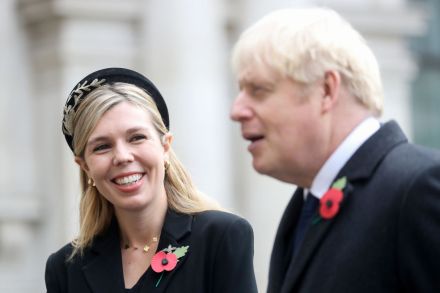
Yet more personnel changes have happened in Downing Street, with Oliver Lewis the latest to depart. The weekend papers were full of briefings that Carrie Symonds is the reason for the latest strife. Cindy Yu talks to Katy Balls and Fraser Nelson about how much truth there is in that.
22 min listen
On this episode, Cindy Yu begins by explaining why China and Russia are ahead in the great game of vaccine diplomacy. (00:45) Fraser Nelson is next, and he tells us why The Spectator went to court. (10:35) Josiah Gogarty finishes the podcast, asking how middle-class your dad is.
Did Nicola Sturgeon lie to the Scottish parliament? A Holyrood committee into the now infamous Alex Salmond affair has been looking into what she knew and when she knew it. In its possession is Salmond’s explosive written evidence, which contradicts her account. So who is telling the truth? This SNP-chaired inquiry has been in no rush to find the answer. Last month, it made the extraordinary decision not to publish the Salmond submission at all — blaming legal problems. There’s a risk, it said, that his account might identify some of the women who complained against him, thereby defying a court order to protect anonymity. Without the key evidence, its inquiry would run into the ground. All very convenient. And questionable.
17 min listen
It's not the Forsyth Spit Bucket, but it may help us ease lockdown. Cindy Yu talks to Fraser Nelson and Katy Balls about why the government is banking so much on rapid tests, given that vaccination was meant to be the route out.
18 min listen
Despite the UK hitting its target of giving 15 million people their first vaccine dose by 15 February, Boris Johnson said the path to reopening will be 'cautious but irreversible'. What does this approach mean for the return to normal life? Katy Balls speaks to Fraser Nelson and James Forsyth.
Among the Scottish parliament’s many crucial roles, there is none more important than its ability to scrutinise government and hold it to account. The same is true of a free press. Both are at their best when they hold power to account on behalf of the public. But neither can do this essential duty when crucial documents are withheld during important inquiries. The Holyrood inquiry into the Scottish government’s handling of the Alex Salmond affair decided last week that it would not publish crucial submissions, including Mr Salmond’s, apparently on the basis that to do so would contravene reporting restrictions rightly introduced to protect the identity of complainants. We have published a duly redacted version of Alex Salmond’s account on our website.
Sales figures for UK magazines are published today and The Spectator is delighted to announce the biggest increase in its 192-year history. The bet we made returning the furlough money last summer has paid off. When we packed up for lockdown last year, we feared the worst and furloughed staff. But we found the demand for our journalism had only increased. We were badly hit (newsagent sales and events especially) but saw we had a way out. In 2019, we sold an average 80,455 copies globally. We set a goal of hitting 100,000 (which would mean overtaking the weekday sales of two newspapers). We returned the furlough money to the taxpayer, and asked people who liked our journalism to pay for it.
13 min listen
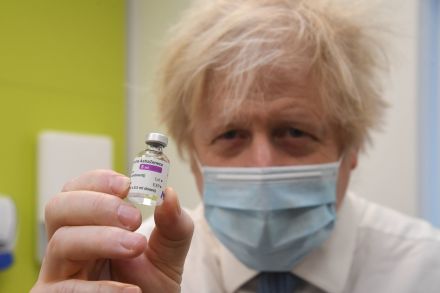
Novavax's vaccine has shown 89 per cent efficacy in UK trials. The government has bought 60 million doses of the jab, and it's expected that production will begin in Teesside later this year. But, as the EU's rollout languishes and their row with AstraZeneca escalates, should Britain consider giving away its vaccines? Katy Balls speaks to James Forsyth and Fraser Nelson.
25 min listen
In his upcoming book, the historian Robert Tombs writes that Brexit may not be the historically significant event we think it is. On the podcast, Katy Balls speaks to him and James Forsyth about just how history will remember Brexit, and what are the future events that can still change our memory of it.
The Spectator’s subscriptions are growing at the fastest rate in our 193-year history. Once, the way people discovered new publications was to browse in a shop. Now, the smartphone lets millions see our headlines – and, if they like them, read our articles. If they become hooked, they subscribe. We generate about a fifth of our traffic through social media and with subscribers having doubled to almost 100,000 we think it’s time to find someone to manage our social media full time. The job won’t mean writing headlines (or sells): that will be done by our team of journalists. We’re looking for someone to work out what should be promoted, how, when and where. Collating and understanding analytics. And understanding how to do things in our style.
11 min listen
The Guardian reported today that the Department of Health is considering offering a £500 isolation fee to encourage more people with symptoms to get tested. But the Treasury hit back fast saying that they had not seen these proposals and that the idea was 'bonkers'. Katy Balls talks to James Forsyth and Fraser Nelson about what the row says about the conversations behind the scenes.
17 min listen
Timed with the inauguration of Joe Biden, Theresa May has written an op-ed in the Daily Mail criticising her successor for his 'abandon of our global moral leadership'. Cindy Yu talks to Katy Balls and Fraser Nelson about what this former prime minister will do from the backbenches.