Fraser Nelson

Fraser Nelson

Fraser Nelson is a Times columnist and a former editor of The Spectator.

Who should get the vaccine doses?

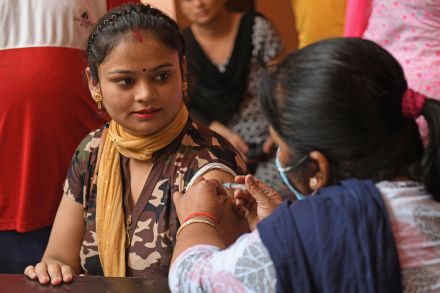
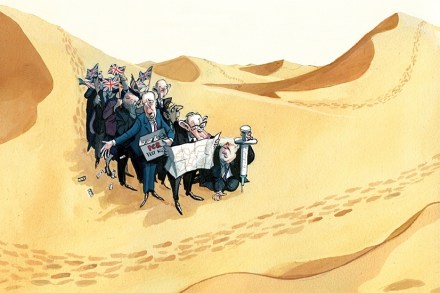
Every now and again, Gordon Brown makes a decent point – as he does today, pointing out that 80 per cent of the jabs have gone to the 20 richest countries. Tedros Adhanom Ghebreyesus, World Health Organisation chief, warned in January that 'even as vaccines bring hope to some, they become another brick in the wall of inequality between the world’s haves and have-nots.' MPs rebel over cutting aid. But send vaccines to overseas pensioners, when they could be heading for the arms of British schoolchildren? Here, they fall silent. Ethically, it’s a far harder question. When Covid vaccines were still a hypothetical, the moral dilemma was clear. Once a country has vaccinated its at-risk groups (ie, the over-50s) it would have massively downgraded the potency of Covid-19.

The Taliban takes Kabul

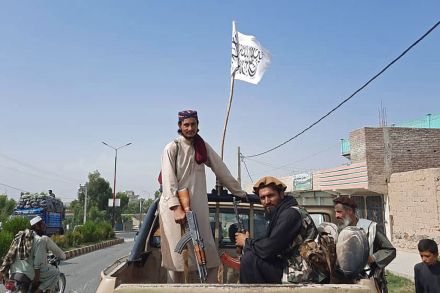
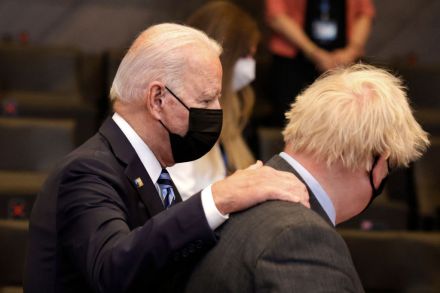
Rather than the six to twelve months predicted by the US intelligence services, the Taliban ended up needing just a few days to take Kabul – and with it, control of Afghanistan. Only this morning, the US was asking the Taliban to wait just two weeks until an interim government could be set up. But the US, having withdrawn its troops, ran out of leverage and the Taliban decided not to wait. Joe Biden had intended to support Ashraf Ghani,  the Afghan president, but he has fled the country. Taliban officials have released photographs of themselves at his desk (below).  Britain made its own withdrawal decision long ago: we need to remember that when criticising Biden now.

Sales of The Spectator: H1 2021

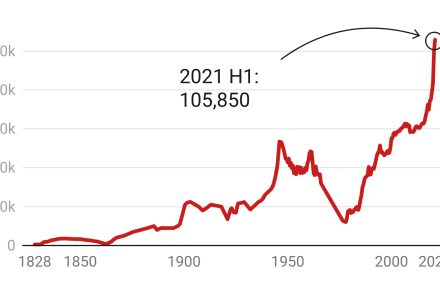
When the pandemic struck, we at The Spectator adopted the brace position. Like many publications, we furloughed staff and prepared for the worst. When subscription growth picked up, we became the first company in Britain to return the furlough money to the taxpayer and say we’d instead trade our way through the storm. Our last reported sales in 2019 were 83,000 (a record high) and we set a pretty big goal: to hit 100,000. I’m delighted to report that sales of The Spectator averaged 105,850 copies in the first half of this year, up 27 per cent on the first half of last year. Digital-only sales are popular but when new subscribers sign up online the vast majority opt for the full package: print and digital.

Was the government right to delay ‘freedom day’?

23 min listen

It's our first 'freedom' weekend, but it was only a few weeks ago when our own Fraser Nelson and Kate Andrews clashed heads over the most sensible way to open up. Kate thought we should stick to the 21st of June, Fraser argued that the later opening date made sense. Now it's time to see who was right? This cage match was refereed by Katy Balls.

When will restrictions end for good?

21 min listen

In our last Coffee House Shots before the so called 'Freedom Day' on Monday, James Forsyth and Fraser Nelson share their thoughts on just how free it will feel, what's the right call on vaccine passports and would a further delay be the right thing to do rather then open and close again later?

Nanny Boris: the PM’s alarming flight from liberalism

42 min listen

What are the pros and cons of vaccine passports?(00:33) Also on the podcast: Is it time for restaurant kitchens to ditch their toxic masculinity?(18:00) And finally... Cricket, what does the new tournament, the Hundred mean for the sport?(30:14)With: Fraser Nelson; Melanie Phillips; Olivia Potts; the chef and owner of Darjeeling Express, Asma Khan; Freddie Wilde, an analyst for Cricvis and legendary sports journalist Henry Blofeld.

Is it up to the state to tackle obesity?

21 min listen

The government has been advised by Henry Dimbleby, founder of LEON food chain, to introduce a new tax on sugary and salty foods. While the Prime Minister has distanced himself away from the proposal, it has caused a lively debate in The Spectator's office. Tune in to hear Fraser Nelson, James Forsyth and Kate Andrews debate the limits of the state when it comes to our health and our diets; how much obesity is related to class; and whether it really is impossible to find vegetables in Tooting.

Has Boris got cold feet over ‘freedom day’?

A very strange ‘freedom day’ greets us on Monday. Legally, almost all restrictions will be lifted. But practically, ministers are deeply worried by the surge of the Indian variant and the rise of hospitalisations to around 600 a day — a figure that will probably double according to the Bristol University PCCF project (which we at The Spectator find to be the most reliable). Hence this massive fudge: the government abolishing the mask mandate but saying it ‘expects’ people to wear them in shops and crowded spaces nonetheless. The NHS will continue to mandate them in hospitals. Then perhaps the biggest surprise: the vaccine passport U-turn whereby companies are told it’s their social duty to ask people for proof of immunity or a negative test.

Nanny Boris: the PM’s alarming flight from liberalism

‘Freedom day’ is coming, but how free will we actually be when it arrives? Boris Johnson is to abolish all coronavirus restrictions on 19 July. But in the small print, we find a strange caveat. The government will be ‘encouraging’ businesses to demand proof of vaccination from customers if there’s a ‘higher risk’ of the virus spreading on their premises. If they do not do so, then the government reserves the power to force them to. It’s a voluntary system — until it’s not. In a rather Orwellian turn, ‘freedom day’ means freedom for some, but not others. The unvaccinated might find their freedoms curtailed in ways that would have seemed astonishing not so long ago.

What comes after 19 July?

16 min listen

Life might feel normal when nightclubs reopen and masks are tossed aside, but worries about unemployment and inflation will persist. What will happen to the economy after 19 July? James Forsyth speaks to Fraser Nelson and economist David Miles about what to expect.

What’s happening in Batley and Spen?

17 min listen

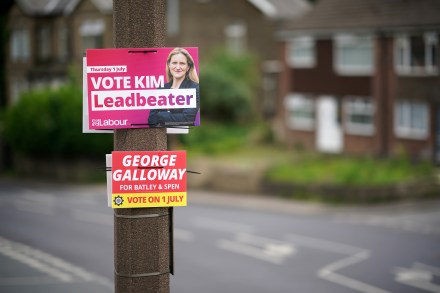
A bizarre flourish of tactics are on display in the run up to the Batley and Spen by-election. And are we already feeling the new Health Secretary's influence? To discuss, Fraser Nelson is joined by James Forsyth and Katy Balls.

Why Matt Hancock had to go

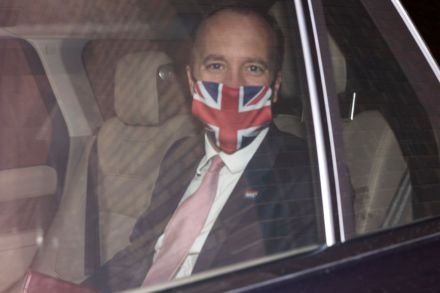
Last night, I had a call from a government minister who was incandescent at the idea of Matt Hancock being allowed to stay as Health Secretary. If he continued, the minister argued, it would mean the Tory Party is telling the world that it’s okay with rank hypocrisy – and quite happy breaking the rules they ruthlessly set for other people. A few MPs were quiet in public and even the normally gossipy Tory MP WhatsApp group was silent. This was a sign of rage too deep to express. Some were making their views clear to Number 10.  It was Matt Hancock who had pushed to criminalise the private lives of others, rather than just make Covid guidelines voluntary. It was Hancock who told people not to start new relationships outside of “established” ones.

Hancock out, Javid in

14 min listen

Matt Hancock has resigned as health secretary this evening following this week's scandal and his appointment has already been appointed, former chancellor Sajid Javid. Katy Balls is joined by Isabel Harman and Fraser Nelson to discuss this breaking news.

Is Hancock’s position under threat?

14 min listen

The Sun broke the news this morning that Health Secretary Matt Hancock has seemingly been up to some extra-marital exploits with his aide Gina Coladangelo, possibly breaking many of the Covid restrictions that he himself put in place. What will be the consequences of his hypocrisy? 'This simply demonstrates that we've been through a period where they decided to politicise things that should have never been in the political realm in the first place and that's why I think Matt Hancock is in more trouble than he would otherwise have been.' - Fraser Nelson Cindy Yu is joined by James Forsyth, Isabel Hardman and another special appearance from Fraser Nelson.

Five years later will we ever truly move on from Brexit?

13 min listen

It's the five year anniversary of when the UK decided to leave the European Union and while the opposition are looking to try and put the referendum behind them, the government still seems keen to put any UK success squarely on the shoulders of Brexit. 'There is an asymmetry in British politics now between about who wants to keep talking about it and who doesn't' - James ForsythBut with nationalist sentiment rumbling on in both the north and west are the Conservatives ignoring the battles to come? And also are the prospects of vaccine passports looking better? James Forsyth and Katy Balls discuss... with another surprise visit from Fraser Nelson.

Can Britain ever build its own Silicon Valley?

36 min listen

Ever since the advent of the internet, respective British governments have sought to make the UK a world leader. Surely, it has been argued, a country with some of the world’s best universities and tech skills can rival America’s success? From the coalition-era Silicon Roundabout to more recent plans for a British DARPA (the US military body which has supercharged scientific research), the idea of turning Britain into a tech superpower remains an evergreen fixation. This year has seen two big tech debuts in the city, albeit with slightly different results. The much-hyped arrival of takeaway giant Deliveroo, for example, turned out to be a bit of a flop, with shares falling 26 per cent, from their flotation price.

Who’s being hurt by ‘white privilege’?

14 min listen

While Labour are shuffling people round yet again.. 'There needs to be a change in messaging from the leader's office, because otherwise it just looks like he's rearranging deckchairs on the Titanic.' - Isabel HardmanAnd the DUP are getting ready to welcome in their third leader in less than a month... 'Donaldson is actually in a much stronger position this time round, than if he had won by one vote last time round.' - James Forsyth A new report seems to show that in education, the group seemingly most negatively affected by the idea of 'white privilege' are white, working class children.  'I've been involved in the social mobility foundation for quite some time and there's no doubt that the demographic most missing in these programs is white, working class.