Constantin Eckner

Constantin Eckner is a Berlin-based journalist and historian. He works for numerous German newspapers and broadcasters

Germany offers a worrying lesson in lifting the lockdown

Germany has led the way in its approach to combating the coronavirus pandemic. The country’s intense programme of consistent testing from early on has resulted in far fewer deaths than the worst-affected countries. It was only logical then that Angela Merkel’s cabinet and Germany’s 16 state governments would ease the lockdown sooner than others. But that decision could now backfire. Shortly before schools and retailers were allowed to re-open, the country’s basic reproduction rate, indicating how many new cases one infected person generates on average, was at 0.7 following a steady decrease in the weeks of confinement. Now the number has rebounded to 0.9 or 1.0. If the value goes above 1.
Why Germany is reluctant to bail out Italy

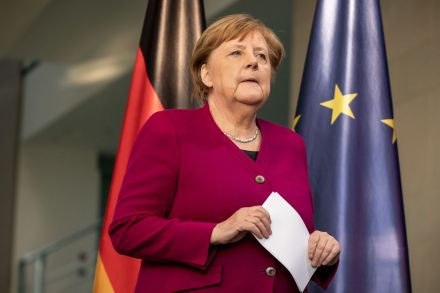
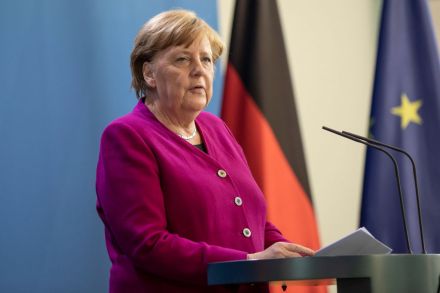
The European Union has done it again. Last Thursday, member states agreed on an aid package of more than half a trillion euros (£436bn). A good portion of that money will be used to revitalise the economies in Italy and Spain, the two European countries that have suffered the most deaths due to the virus so far. But the recovery fund was only made possible because the agreement avoided an explicit mention of jointly-issued debt, which has been anathema to Germany, Finland or the Netherlands. ‘It is impossible that debt could be communitised’, Angela Merkel said after the package was announced.

Germany’s coronavirus crisis may have just revealed Merkel’s successor

Like her or not, Angela Merkel has managed Germany’s response to the coronavirus pandemic commendably. The long-time chancellor usually appears to be anything but energetic, yet her serious demeanour is perfect for a leader during such an exceptional crisis. And Germany has benefited as a result. Yet as much as Merkel's current crisis management has been praised, her time in office will certainly end following Germany’s general election in the autumn of 2021. Senior members of her party have tried to persuade Merkel into continuing for four more years, but given her health and the fact that she has grown tired of the job after 15 years on top with all the highs and lows, there is almost no chance she changes her mind. The search for a successor started a while ago.

Merkel faces some tough decisions as Germany eases its lockdown

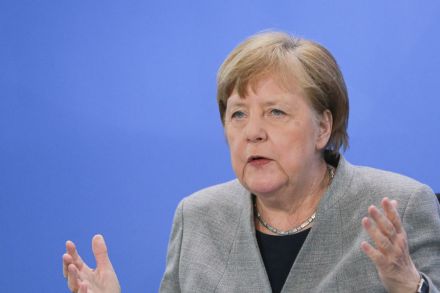
Germans eagerly awaited Angela Merkel’s announcement this week about a potential exit strategy for Germany, the country with one of the lowest Covid-19 death rates in Europe. Many Germans expected a turning point and a possible return to everyday life. What they got was only a first small step back to normal. Initially the chancellor said that the lockdown would be eased if confirmed coronavirus cases only doubled every tenth day. The current doubling time is over a month. But Merkel and the 16 state prime ministers jointly decided to extend most of the measures until early May. Only shops and retailers up to a size of 800 square metres, zoos, libraries, and car dealerships can reopen soon. Hotels, theatres, cinemas, and churches remain closed until further notice.

Does Germany need China more than Europe?

‘Desperate times call for desperate measures’ is the expression of the moment when it comes to summing up how countries are addressing the coronavirus crunch. Germany is no exception. Even before the pandemic, the country's economy was heading towards a mild recession, according to plenty of projections. But once the virus spread across the Hubei province, Germany’s manufacturers started to get hit in a painful spot: their supply chains. The early supply shock stemming from reduced production capacity in China again exposed Germany’s dependency on its trade relations with the economic giant in the east. For years now, Germany has been leaning on China for cheap supply and as a market for its exports.

How Germany has managed to perform so many Covid-19 tests

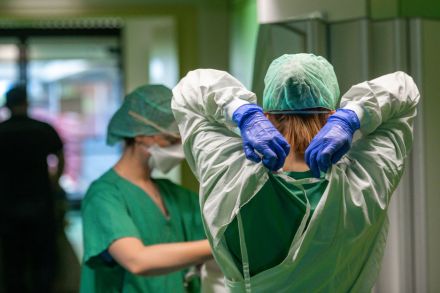
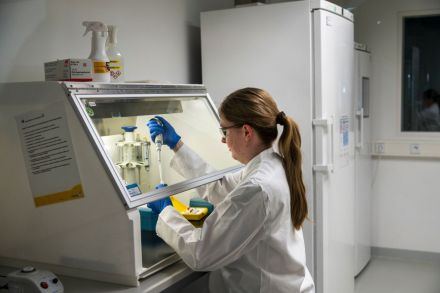
Over the past few weeks there has been widespread curiosity about the German healthcare system. Since the coronavirus outbreak, the infection curve in Germany has risen just as steeply as in Italy, and the measures it has imposed are quite similar to those elsewhere. Yet, its death rate is noticeably lower. Of 100,132 Germans who have tested positive, only 1,584 have died, as of this morning. Compared to fatality rates above 6 per cent in neighbouring France, Netherlands or Belgium, that seems remarkable. The most important reason for Germany’s rate is intense testing, using the South Korean model where widespread testing and isolation helped flatten the curve of new infections.

Germany may never be the same after coronavirus

When Emmanuel Macron told the French people how his government would tackle coronavirus, he used the word 'war' six times. Boris Johnson adopted a similar stance, invoking wartime language to tell Brits we will 'win the fight' and beat the enemy'. In her recent televised speech, chancellor Angela Merkel specifically avoided suggesting that Germany is 'at war' with the coronavirus. Such over-the-top rhetoric wouldn‘t fit Merkel‘s persona, and to declare war would unsettle rather than motivate Germans. But the softer language doesn't mean that this isn't a pivotal moment in Germany's history.  The country went into lockdown on 23 March to battle the continuing spread of the coronavirus.