Catherine Ellis

Catherine Ellis is a British journalist who focuses on political, economic and societal issues in Colombia and Venezuela.

Venezuela’s future has never looked less certain

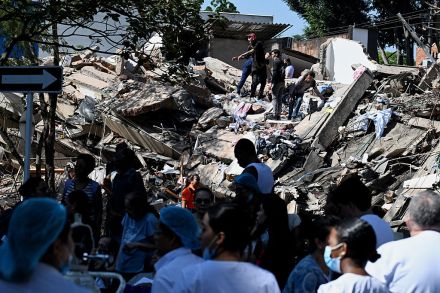
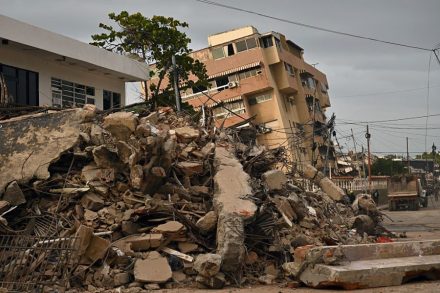
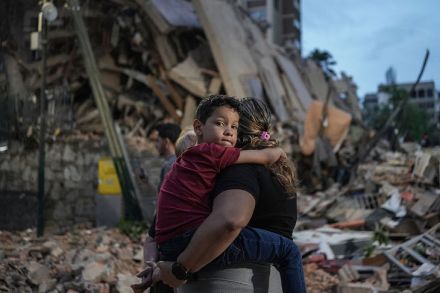
Families are still picking through the rubble in Venezuela. A weary-looking man searches for his wife in a heap of broken concrete – what was once an apartment block by the sea. Neighbours climb into a collapsed social housing complex to look for a nine-year-old girl. A cousin drives across the country on a motorcycle after days of his messages have gone unanswered. But ten days after the twin earthquakes hit the country on 24 June, the sombre realisation that there is only a slim chance of finding survivors hangs heavily above collapsed buildings, largely dotted along the coast north of Caracas. So far 2,595 people have been confirmed dead. The final death toll is likely to be staggeringly higher. The UN said it has 10,000 body bags ready.

Venezuela’s earthquake is the cruellest blow

Venezuela thought its luck was changing. Then the earthquakes stuck. For a country that’s economy has long been in tatters, parts of Venezuela are now in ruins. The huge 7.2 of and 7.5 magnitude quakes have devastated pockets of Venezuela, with parts of the capital, Caracas, and the northern coast dotted with mounds of rubble. Rodriguez could also use this tragedy to argue an election is not what the country needs It’s a cruel twist of fate the South American nation that was finally beginning to pull itself out of dismal abyss it had found itself in. Many Venezuelans, little by little, were allowing them to be more optimistic this year. Nicolas Maduro was out of the picture following his capture in January. Hundreds of political prisoners had been released.

How a Trump-loving lawyer nicknamed ‘The Tiger’ became Colombia’s president

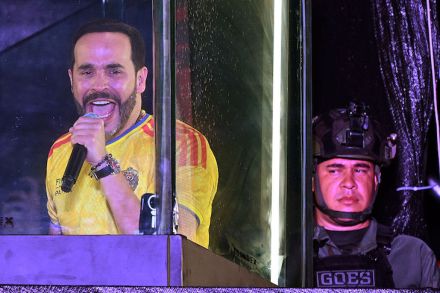
Abelardo de la Espriella was never going to be a typical Colombian presidential candidate. Nicknamed ‘The Tiger,’ the defence lawyer who has represented a string of controversial clients is also a businessman, who owns a number of clothing and alcohol brands, a Miami restaurant and even music albums. De la Espriella campaigned on a radical and robust security agenda, vowing to rid Colombia of its violent and criminal woes. “I will wipe out narco-terrorism..I will unleash the wrath of God upon them as never seen before,” de la Espriella said “I will wipe out narco-terrorism, those I have sentenced and declared military targets, like cockroaches, like rats. I will unleash the wrath of God upon them as never seen before,” de la Espriella said during his campaign.

Colombia can’t give Trump the cocaine crackdown he wants

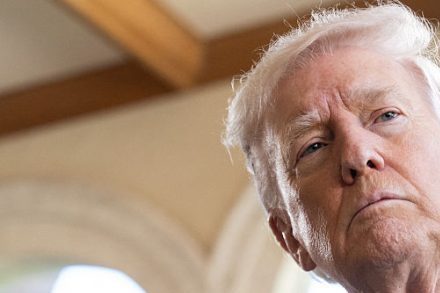
When US president Donald Trump hurled abuse at Colombia’s president Gustavo Petro last month, branding him a 'sick man who likes making cocaine and selling it to the United States', it was strikingly audacious. Trump leant into bombastic provocation: there is no evidence to suggest Petro himself makes cocaine. And yet, Trump’s claim didn’t come as a shock – the two leaders have spent the past year locked in a volley of barbs with one another. Petro, Colombia’s first left-wing leader, likes to fire back with ideological, often sermonising lectures on imperialism and US hypocrisy. But tangled up in the rancorous exchanges – many of them about drugs – is a stubborn fact: Colombia is the world’s largest producer of cocaine.

Venezuela’s chavista elite is clinging on – but only just

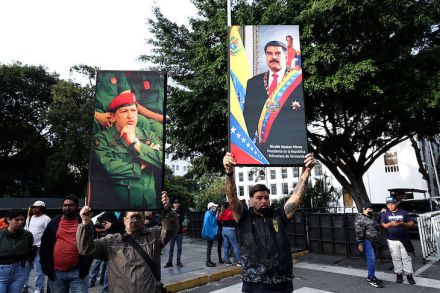
Hugo Chávez’s eyes are everywhere across parts of Caracas, Venezuela’s capital. In stark black and white, his gaze is stamped onto government buildings, public housing blocks and murals. But if the late socialist president could truly see what has become of the movement he founded, he would likely be dismayed. Most Venezuelans have abandoned chavismo. His protégé Nicolás Maduro – who had led the government since 2013 – has been captured by the US, while many Venezuelans cheered his exit. What remains is a thin but loyal chavista base – and a leadership operating firmly in survival mode.

How Trump helped Venezuela’s Maduro bounce back

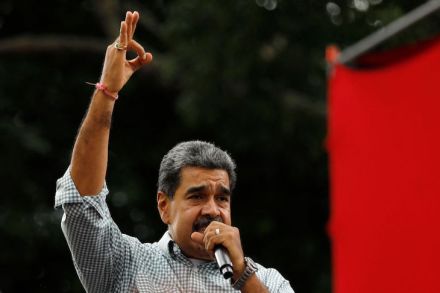
For someone widely believed to have lost a presidential election just a year ago, Venezuela's Nicolás Maduro is looking remarkably defiant – and still firmly in power. Maduro has just pulled off another patriotic spectacle – a choreographed homecoming of Venezuelan migrants with flags, cameras, and emotional reunions. This followed a deal with the Donald Trump administration that secured the return of 252 Venezuelans from CECOT, El Salvador’s notorious mega-prison. Trump has breathed fresh political oxygen into a regime many thought was on the brink Maduro cast himself as a protector, bringing his people home from what he called 'concentration camps,' with the regime launching an investigation into alleged abuses.

The US is turning the screws on Nicolas Maduro

Actions often speak louder than words. In the case of the United States seizing Venezuelan president Nicolas Maduro’s multi-million dollar luxury aircraft this week, that perhaps rings true. The international tip-toeing around how best to respond to Venezuela’s election result – considered fraudulent by many – and the turbulent repression that has ensued, has had global leaders scratching their heads for over a month. But the seizure of the airplane could hit Maduro where it hurts. Strongly-worded statements condemning the lack of transparency around the election and the antiquated measure of throwing dissenters in jail have fallen on deaf ears.

Venezuela’s Nicolas Maduro doesn’t like losing

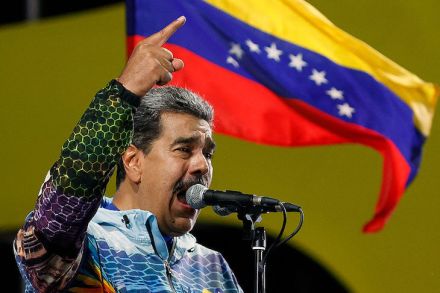
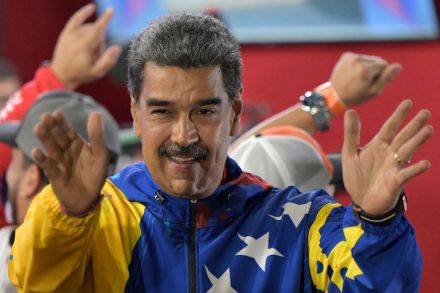
There are sore losers and then there’s Venezuela’s Nicolas Maduro. The socialist president has ruled the South American country for 11 years, and despite opinion polls – and now physical vote tallies from the presidential election – proving that he’s not as popular as he wants to be, he seems to really want to stay in his job. So much so, that there are reports Maduro's regime may be plotting the arrest of the man who is not only beating him in the popularity contest, but appears to have thrashed him at the polls: Edmundo Gonzalez. A similar scheme is reportedly being hatched against Maria Corina Machado, the woman whom Gonzalez replaced on the ballot after she was banned from running.

Maduro’s ‘win’ spells despair for Venezuela

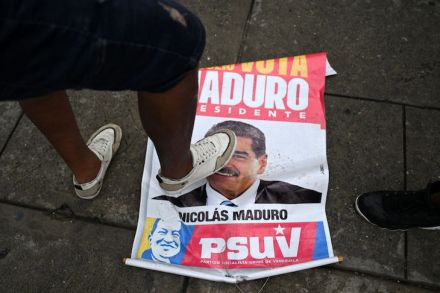
It was meant to be a crushing defeat ending 25 years of socialist rule, and the presidency of a man many see as largely responsible for Venezuela’s economic woes, a humanitarian crisis and rampant corruption. But for many Venezuelans, the only thing crushed following Sunday’s presidential election was hope. Many of those who are desperate for change say they’ll take to the streets A few hours after polls closed – and amid complaints of some observers monitoring the process being thrown out of polling stations or prevented from entering – the country’s National Electoral Council announced Nicolás Maduro as the winner with 51 per cent of the vote; in second place, candidate Edmundo González on 44 per cent.

Ecuador is trapped in the hell of constant violence

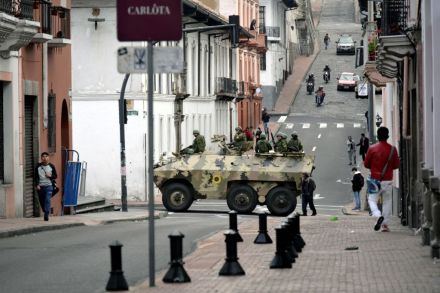
A new year and a new chapter has begun in Ecuador, one that those living there perhaps rather wish hadn’t. The escape of a notorious drug lord on Sunday from one of the country’s prisons, and the storming of a live TV broadcast by armed men, reads like a cliched plotline for a narco drama.  ‘Don’t shoot. Please, don’t shoot’, a woman can be heard pleading, while she and her colleagues are held hostage.  The dramatic incident is part of an eruption of violence that has besieged the South American country in the last few days.

Is Nicolas Maduro planning to annex part of Guyana?

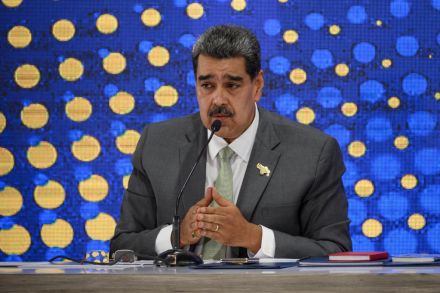
Venezuela’s president Nicolás Maduro seems to be in something of a political pickle. On Sunday, he held a referendum on whether or not Venezuela should annex Essequibo, a dense jungle region which makes up two-thirds of neighbouring Guyana. In the end, 95 per cent voted to support Venezuela’s claim to the land (Maduro hailed this as an ‘overwhelming victory’) but turnout was at best, lacklustre.   ‘The people have spoken loud and clear,’ Maduro bellowed after the result in a televised statement, in front of a map which placed Essequibo inside Venezuela. But it’s the people who decided not to speak on Sunday that have placed him in difficulty.  It’s not exactly a surprise that Venezuelans voted to lay claim to Essequibo.