Wno

The artistic collapse of Welsh National Opera

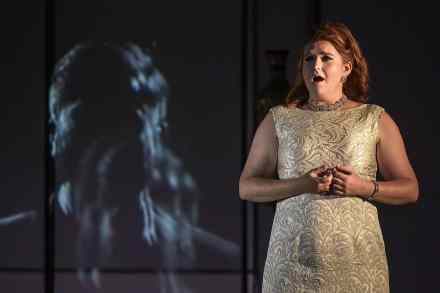
On the first night of Welsh National Opera’s new Flying Dutchman, the company’s co-directors walked on stage to salute their departing music director Tomas Hanus. There were cheers, of course; Hanus has been a courageous MD and his Wagner was thrilling. But no one has been appointed to succeed him, and that morning WNO had announced a 2026-27 season that amounts to a near-total artistic collapse, with just two full-scale operas. A major international company has been reduced to a community arts provider, and a Pollyanna press release announcing ‘a powerful statement of renewal’ did nothing to quell the feeling that the lights are going out on Cardiff Bay. It’s not just Cardiff, either.
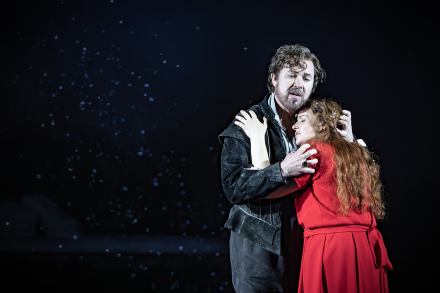
The future of opera – I hope: WNO’s Candide reviewed

Bernstein’s Candide is the operetta that ought to work, but never quite does. Voltaire’s featherlight cakewalk through human misery, set to tunes from the West Side Story guy: what’s not to like? And what can be so wrong with its twinkle-toed score that the combined rewriting efforts (and this is not remotely the full list) of Lillian Hellman, Dorothy Parker and Stephen Sondheim have all failed to make it work as theatre? For my money it’s the ending. Voltaire coolly pricks his own bubble and tells us to get on with tending our gardens. Bernstein, the all-American idealist, just can’t, and he kills the whole thing dead with ‘Make Our Garden Grow’, a Hallmark moral drenched in gooey musical uplift. Unless you can solve that, Candide simply can’t be fixed.

Why does opera always feel the need to apologise for its plots?

Leos Janacek disliked long operas, and the first act of The Makropulos Affair is a masterclass in how to set up a drama without an ounce of fat. There’s a prelude: driving motor-rhythms, surges of emotion, and somewhere in the distance – far away (or long ago) – the sound of trumpets. The curtain rises and we’re tipped brusquely into a lawyers’ office in the early 20th century. The lawsuit they’re discussing is long-winded and complex: aren’t they always? No matter. By the end of the act, these blustering professional men have been interrupted by the magnetic and imperious diva Emilia Marty, who knows things about the century-old case of Gregor vs Prus that no living person could possibly know. We’re intrigued. End of Act One.