Water

Will America rescue the mullahs?

From our US edition

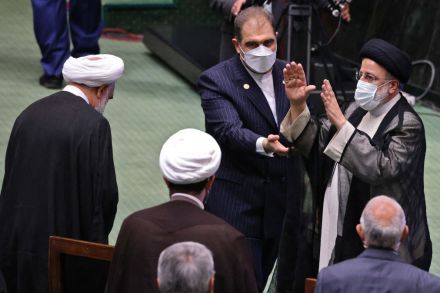
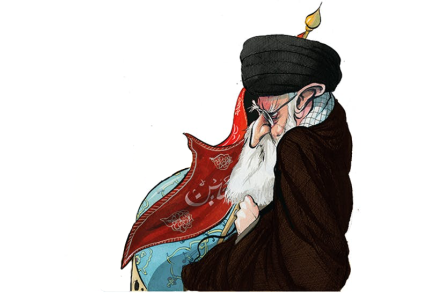
‘Death to Khamenei. Death to the dictator.’ Iran’s new president, Ebrahim Raisi, is sworn in today against a backdrop of protest, the sound of chanting echoing in his ears, whether literally or figuratively. The chants are often about the Supreme Leader, Ali Khamenei, but are also directed at the regime as a whole. ‘Clerics get lost’ is another favorite. Street demonstrations began three weeks ago in the province of Khuzestan but spread to many other places, including the capital, Tehran. People are angry about water shortages and the wretched, broken state of the economy. The question now is whether the protests will build and, if so, whether Raisi will live up to his terrifying reputation and crush them.

iran mullahs

Tehran is repeating the Shah’s mistakes

The Iranian province of Khuzestan is oil-rich but water-poor. At the best of times, the southwestern region is a problem for Tehran. On the border with Iraq, it’s home to an Arab minority that has long been targeted. The province has separatist inclinations, which led to a failed uprising in 1979 and sees the occasional attack continue to this day. Unsurprisingly, it is not favoured by central government. It’s impoverished and lacks many basic services; quality of life is poor. Khuzestan is now in its sixth straight day of protests after water shortages in its major cities.

Water, water everywhere: Touring the Land of the Dead, by Maki Kashimada, reviewed

Maki Kashimada won the 2012 Akutagawa Prize for Touring the Land of the Dead, the strange, unsettling novella that makes up half of this volume. It is translated here for the first time from the Japanese into English by Haydn Trowell, alongside Kashimada’s ‘Ninety-nine Kisses’, a short story based on Jun’ichiro Tanizaki’s classic novel about four unmarried women, The Makioka Sisters. In Japan, Kashimada has become known for her avant-garde, nonconformist style. These two offerings are exemplary pieces. In Touring the Land of the Dead, a woman called Natsuko returns to a hotel she went to as a child with her mother and brother; now she is with her disabled husband, who suffers from seizures.