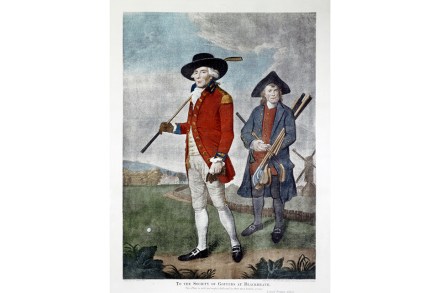
W.G. Grace

Would W.G. Grace recognise the game of cricket today?

There’s a fascinating thought that the authors of Full Circle pursue for just a couple of pages, then leave hanging: ‘Association football offers an alternative history by which to consider the course cricket might have taken.’ In fact, the book demonstrates that cricket has followed football’s course, albeit about a century late. In cricket, too, professionals ousted amateurs, embraced the market, saw economic power shift east and chose a short format that allowed games to be played in an evening. Like it or loathe it, cricket has effectively become football. Reading this serious and competent work, you wonder at times why the journalists Richard Heller and Peter Oborne bothered to write it. There are already countless cricket histories.

How sport helped shape the British character

Faith in state planning was central to Harold Wilson’s pledge to modernise Britain. It was his rhetorical vision of a country guided by strategic foresight and ‘forged in the white heat of technology’ that helped him win the 1964 election. But Wilson also displayed the same attachment to planning in his personal life. Back in 1934 he joined the Port Sunlight tennis club, not because he was interested in the sport but because he felt it would provide the right environment to approach one of its young female members, a shorthand-typist called Gladys Baldwin. Unlike his ‘white heat’ agenda, the policy worked. After a lengthy courtship, during which Gladys dropped her first name in favour of her second, Mary, they married.