Villains

British men should lean into their evil reputation

From our US edition

I was about 19 years old and threatening to kill myself with a Bic disposable razor (not easy: I was bluffing) when I realized that Women Love Bastards. The revelation arrived like this. I was a heartbroken student, having been dumped by, ah, let's call her Emilia. For months I mooned about, bereft, wondering why Emilia had chucked me when I was so NICE – attentive, gift-giving, loyal. Then a good female friend – bless her wicked heart – took me aside and said: "Sean, girls don't like nice. They like a guy with swagger. Stubble. Slightly mean." She sighed. "I think we prefer bastards, if I'm honest." Putting down the razor, I picked up her advice, and I have used it ever since. I’m happy to say it works.
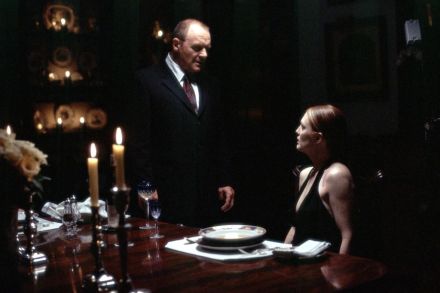
evil british

Kapows and wisecracks: Fight Me, by Austin Grossman, reviewed

Superheroes are the trump card of genres. As a rule of thumb, if a novel has a murder, it’s ‘Crime’; if it has a murder on a space station, it’s ‘Science Fiction’; and if it has a murder on a haunted space station, it’s ‘Horror’. But a novel with crimes, robots, faeries, cavemen, magic, cyborgs and time travel can only be ‘Superhero’. It is rarely successful outside the graphic variety, possibly because such strenuous suspension of disbelief is best managed in comics. Yet it can be done. Michael Chabon’s The Amazing Adventures of Kavalier and Klay is one, while Lavie Tidhar’s Our Violent Century and Nick Harkaway’s Titanium Noir are both clever and witty. Perhaps the most recognisable success was Austin Grossman’s smart 2007 Soon I Will Be Invincible.