Uk politics

Boris for In? Mayor teases readers in column

[audioplayer src="http://rss.acast.com/viewfrom22/fightingovercrumbs-euroscepticsandtheeudeal/media.mp3" title="James Forsyth and Vote Leave's Stephen Parkinson discuss Euroscepticsm"] They may not be allowed to speak out yet, but everyone is trying to find out what senior eurosceptic Tories really think about David Cameron's EU renegotiation deal and whether they'll vote to leave. For some Cabinet ministers like Michael Gove, this decision is balanced as much on his personal loyalty to David Cameron as it is on his own beliefs about Europe. For others, there's what happens to their careers after the vote to think about.  Boris Johnson is blissfully free from Cabinet collective responsibility and from having to worry too much about whether he'll get promoted in the next reshuffle.

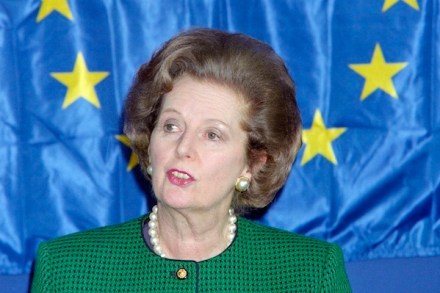
Charles Moore: Sorry, but Margaret Thatcher would not have voted to stay in the EU

[audioplayer src="http://rss.acast.com/viewfrom22/fightingovercrumbs-euroscepticsandtheeudeal/media.mp3" title="James Forsyth and Vote Leave's Stephen Parkinson discuss Euroscepticsm"] Margaret Thatcher would have voted to stay in the European Union, her former foreign policy adviser Lord Powell writes in the Sunday Times today. Here, in an extract from his Spectator's Notes, Charles Moore, Lady Thatcher's official biographer, says she would have voted to Leave: On Tuesday night, at a Spectator readers’ evening, Andrew Neil interviewed me about my biography of Margaret Thatcher. He asked me if, after leaving office, Lady Thatcher had come to the view that Britain should leave the European Union.

Who will be out for Out?

[audioplayer src="http://rss.acast.com/viewfrom22/fightingovercrumbs-euroscepticsandtheeudeal/media.mp3" title="James Forsyth and Vote Leave's Stephen Parkinson discuss Euroscepticsm"] The Leave campaigns continue to bicker with each other in increasingly absurd fashion, but it would be wrong to think that everything is going the In campaign’s way. Number 10, as I write in The Sun today, have been taken aback by the sheer scale of the hostility to the deal. There have been some very tense meetings in Downing Street this week. Cameron himself is, I understand, acutely aware of how volatile the situation is and how quickly the referendum could turn. But those around him are more confident.

Split in Labour Leave over whether it has left Vote Leave

[audioplayer src="http://rss.acast.com/viewfrom22/fightingovercrumbs-euroscepticsandtheeudeal/media.mp3" title="James Forsyth and Vote Leave's Stephen Parkinson discuss Euroscepticsm"] This might seem impossible, but the row between Vote Leave and Labour leave has become even more complicated. This afternoon, Labour donor John Mills, who remains on the Vote Leave campaign, has put out this statement: 'I am the founder and co-owner of Labour Leave. A statement has been put out by someone called Richard Hillgrove purporting to be from Brendan Chilton, General Secretary of Labour Leave. That statement is fraudulent. Richard Hillgrove has no position in Labour Leave. Labour Leave is an independent campaign but corporately it supports Vote Leave.

Labour Leave to split from Vote Leave

[audioplayer src="http://rss.acast.com/viewfrom22/fightingovercrumbs-euroscepticsandtheeudeal/media.mp3" title="James Forsyth and Vote Leave's Stephen Parkinson discuss Euroscepticsm"] Following reports of a furious row between Labour Leave and Vote Leave in the Guardian and the Times, I understand that Labour Leave will later today issue a statement confirming that it is going to work as an independent group and will not be supporting Vote Leave’s bid for official designation from the Electoral Commission. The Labour group has decided to work with other grassroots groups such as ‘GO’, set up by Tory MP Peter Bone and Labour MP Kate Hoey, after a split between party donor John Mills and other Vote Leave staff.

Why Cameron needn’t worry about Leave’s nine-point lead – yet

[audioplayer src="http://rss.acast.com/viewfrom22/fightingovercrumbs-euroscepticsandtheeudeal/media.mp3" title="James Forsyth and Vote Leave's Stephen Parkinson discuss Euroscepticsm"] Funnily enough, David Cameron’s EU deal hasn’t gone down all that well with voters. The Times this morning gives the ‘Out’ campaign a nine-point lead, up from four points last week. The YouGov poll puts Leave on 45 per cent, Remain on 36 per cent and 19 per cent on don’t know or won’t vote. This is an entirely predictable reaction to a deal that has genuinely astonished some MPs with its lack of anything that could come close to looking like a fundamental recasting of Britain’s relationship with Europe.

Tory MPs press ministers on sickness benefit cuts

The Welfare Reform and Work Bill has its third reading in the House of Lords on Monday before returning to the Commons for consideration of amendments. Jeremy Corbyn raised one of the controversial aspects of this bill, which is to cut the amount of money paid to people who are judged too ill to work currently but with the potential to return to the workplace in the future, at Prime Minister’s Questions this week. Peers have defeated this measure, but the government intends to reverse it. But there are Tory MPs who are worried about the cut to employment and support allowance, too.

How not to defend the charity sector from criticism

If you wanted an interview that summed up what is wrong with the charity sector at the moment, you’d struggle to find a better one than Sir Stephen Bubb on the Today programme this morning. Responding to the Sun’s report on Age UK partnering with E.ON to sell expensive tariffs to elderly customers, the head of Acevo decided to attack the Sun for its coverage of the Hillsborough disaster, something it has apologised for and which took place when most of its current journalists were still at school. Unfortunately Bubb called Hillsborough ‘Hillshead’, which suggests he has a dodgy track record of remembering mistakes that newspapers have made, unless he was talking about a story about the 1982 Glasgow Hillhead by-election that he had a particular problem with.

Vote Leave changes board after infighting: will this calm the Out camp down?

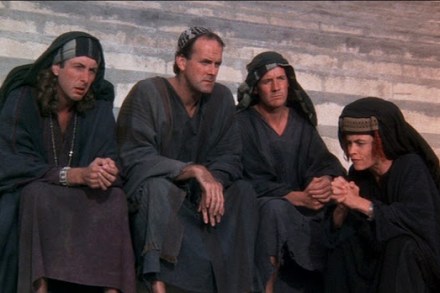
[audioplayer src="http://rss.acast.com/viewfrom22/fightingovercrumbs-euroscepticsandtheeudeal/media.mp3" title="James Forsyth and Vote Leave's Stephen Parkinson discuss Euroscepticsm"] The Monty Python-esque scrapping in the ‘Leave’ camps may calm down a little after the Vote Leave campaign this evening announced a number of changes that will satisfy some of its rather agitated MP members. As well as appointing Lord Lawson as the chairman of the board, Vote Leave is changing the members of that board, with Matthew Elliott, Dominic Cummings and Victoria Woodcock stepping down.

Labour delays Shadow Cabinet row on Trident

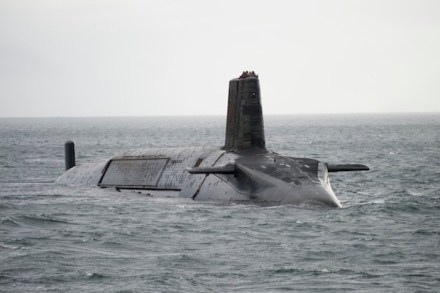
Labour has delayed its Shadow Cabinet discussion of the party’s Trident review until next week, after yesterday’s meeting ran out of time for the discussion. Emily Thornberry was due to give a presentation on the nuclear deterrent yesterday, but longer discussions on parliamentary business and other matters, along with Jeremy Corbyn needing to attend his urgent question on the EU renegotiation in the Commons, meant that she merely offered a few words on the importance of the decision for the party, before promising to return to speak again. Thornberry is also due to address the next meeting of the parliamentary Labour party on Monday, where she is likely to face questions about who she plans to consult as part of her review.

Theresa May helps David Cameron with strong hint she’ll support ‘Remain’ campaign

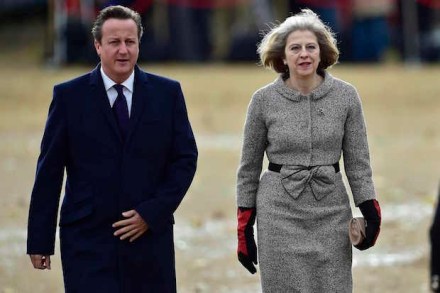
Theresa May’s decision to say that the draft settlement for Britain’s relationship with the EU forms ‘a basis for a deal’ has made David Cameron’s rather difficult day - which has involved the Prime Minister trying to insist that he has got the deal he was after, even though his demands on benefits in particular have been watered down - a little easier. It is the strongest indication yet that the Home Secretary will campaign to stay in the EU after all. This is the statement she released this evening: ‘EU free movement rules have been abused for too long and EU law has stopped us deporting dangerous foreign criminals.

Briefing: What is the EU ‘red card’ and will it make any difference at all?

The ‘red card’ on proposed EU legislation has been hailed by David Cameron as a breakthrough; the ‘Stronger In’ campaign have put it at the top of their list of renegotiation successes. But it already pretty much exists. The very similar ‘orange card’ was introduced by the 2009 Lisbon Treaty. (The European Commission’s website explains how it works.) Here’s a comparison of the two: Numbers ORANGE CARD: 51% of the 28 EU parliaments can force a review by the European Commission. RED CARD: 56% of the 28 EU parliaments can force a review by the EU Council.

Scottish Labour attacks SNP from left with tax rise plans

Those of you who live in the rest of the UK will have no idea what a relief it is for us Scots to have some real politics to deal with at last. Scottish Labour’s announcement today that it wants to raise income tax for everybody in Scotland is terrific - simply because it means that this year’s election will be a real contest about real policies. For the first time in years we are going to get an election which is not about the constitution. The tax powers which Scotland is going to get in April are fairly inflexible. A lock-step has been imposed which means that, if you want to raise one of the rates, you have to raise them all.

David Cameron’s two problems: benefits and Poland

From his speech and question session on today’s draft EU deal, it’s clear that David Cameron plans to spend the next two weeks promoting his negotiation success, rather than focusing on improving it. He naturally needs to persuade voters - and his colleagues - that this is a good deal that will make a big difference to Britain’s relationship with Europe. But as the press questions following the speech showed, this is going to be extremely difficult. The Prime Minister was insistent that he had secured a good deal on in-work benefits for EU migrants, saying ‘what I’ve got is basically something I’ve asked for’.

Draft EU deal: five things you need to know

David Cameron is insisting that there is more work that needs to be done on the draft deal for Britain's relationship with Europe published by Donald Tusk today. But here are the key points about that draft deal so far: 1. Cameron has got a weaker benefits deal. As explained here, the Prime Minister has not got his four year ban on in-work benefits for migrants that he originally set out to get, nor has he got the ‘emergency brake’ that he was pushing for over the weekend. Instead, Britain will be able to limit in-work benefits for new EU migrants over a four year period, starting with no benefits at all, and gradually increasing the payments so that by the end of the four years, the worker is fully eligible. 2.

Draft EU deal waters down Cameron’s migrant plan

Donald Tusk’s draft proposals for Britain’s EU renegotiation are out - and the focus is on whether David Cameron has got what he was after on benefits. The settlement includes the ‘emergency brake’ on in-work benefits for migrants, which would allow Cameron to ‘limit the access’ to benefits for four years. But this limit is not an outright ban: instead, it would be a gradual increase in eligibility starting with a total ban at the start of someone’s employment followed by ‘gradually increasing access to such benefits to take account of the growing connection of the worker with the labour market of the host Member State’.

Britain’s new EU relationship to be revealed: but is it that different?

Today at 11am we will find out what Britain's new relationship with the EU will look like. Downing Street insists that the draft renegotiation outline being published by European Council president Donald Tusk is still a draft, and there may well be changes to it (though presumably not all of them beneficial to Britain) in the next few weeks.  But it looks as though the European Council summit on 18 and 19 February will be discussing and signing off this renegotiation, and that therefore the June referendum is on.  The biggest challenge that David Cameron, who will give a speech later today on the proposals, has to overcome is any sense among voters that this new relationship between Britain and the EU is rather too much like the old one.

Donald Tusk to table Britain’s draft EU deal tomorrow at noon

This is the analysis of the latest EU referendum negotiations in tonight's Evening Blend email, a free round-up of the day's political events. Click here to subscribe. Today in brief The EU renegotiation entered its endgame, with European Council president Donald Tusk saying he will publish proposals for a draft deal tomorrow at noon… …as eurosceptics continued to attack the plans for an emergency brake on in-work benefits for migrants. The British Medical Association announced next week’s junior doctors’ strike will be going ahead. A committee of MPs blasted the ‘catastrophic’ conditions that failed charity Kids Company had been allowed to operate in - read Miles Goslett’s original scoop exposing the charity for the first time here.

Who will join Mark Pritchard in the reluctant Inners club?

Tory MPs have been buzzing today about Mark Pritchard’s announcement that he would be supporting the campaign for Britain to remain in the European Union. The well-known eurosceptic MP wrote a significant piece for the Sunday Times yesterday setting out his reasons for becoming a reluctant Inner, which include the risk of weakening Nato, and an end to ‘Britain’s political and diplomatic counterbalance to France and Germany’s strategic clumsiness’. What’s interesting about Pritchard’s intervention is that he had actually made up his mind on the matter in March 2015, and had told his staff and Downing Street that he would be backing the Remain campaign then.