Ucl

The man trying to save Britain’s last great map library

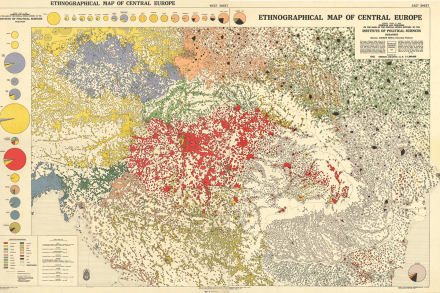
In the heart of Bloomsbury, deep in the bowels of the UCL geography department, down corridors floored in institutional linoleum, sticky and scuffed by generations of students, is a room full of maps. Hundreds of thousands stacked on top of each other, tidied away in sliding wooden drawers that march to the ceiling. But not only maps: there are shelves groaning with atlases, guidebooks and Baedeckers; an entire annexe given over to hundreds of wall charts. In fact, almost every conceivable way you might orient yourself on the globe, or make legible any geographical phenomenon on paper, is represented here. It’s a cartophile’s delight; an obsessive compulsive’s nightmare.
Bugs, biscuits, trench foot: from the front line of the uni protests

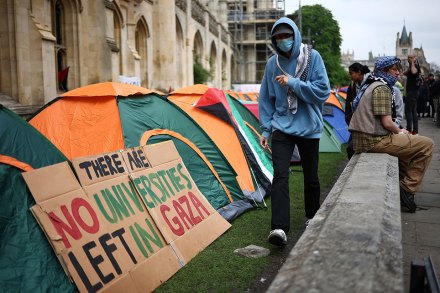
On the grass in front of UCL’s main building, on Sunday night, there were about 30 tents and the portico was plastered in handwritten signs: ‘Students: You’re in debt so UCL can fund a genocide!’ Some protestors sat on chairs, eating biscuits. Others stood at the front gate chanting ‘From the River to the Sea’. ‘Do you want a tent, bro?’ asked one protestor. I explained that I was a reporter and was immediately whisked away to talk to a spokesman. ‘Spectator, Spectator … yeah, I think that’s left-wing. All good.’ A girl who had come along for the day received a keffiyeh tutorial and as night began to fall, I watched as most of the demonstrators headed towards the front lawn to pray. One student didn’t fall asleep until 6.30 a.m.

UCL’s bizarre eugenics apology

Covid aside, how should we sum up the last twelve months? The Year of the Abject Apology fits rather neatly. The past year has witnessed cringing confessions by all sorts of institutions to prior complicity in slavery, colonialism or exploitation in some form or another.  University College London is the latest institution to apologise, saying sorry because scientist and polymath Francis Galton, the 'father of eugenics', researched the subject while at UCL in the nineteenth century. Galton also left the university money in 1911, to found a professorship in eugenics. This whole episode in UCL's history would normally have been decently buried.