Tokyo

Snowshoeing with septuagenarians

Wading through breakup grief, I’d hit the haziest stage of recovery, somewhere between lying horizontal in dark rooms, and shaving my head. Short of purchasing clippers, I’d resolved to write about wellness travel. Clad in regulation white cotton pajamas in the Western Ghats of India, my lifestyle habits had been judged (hard) and my thoughts about aging, recalibrated. A vigorous wellbeing regimen had revealed my 34-year-old body to be pushing 40, metabolically. Confronting? Yes. Salvageable? Also yes. (More mindfulness, fewer cigarettes, and – my addition – no men). Next stop: I’d pull on my hiking boots for a flight out of sweltering Mumbai, to icy Tokyo.  Post-Covid, Japan dominates algorithms and bucket lists.

Tokyo drift: Japan’s once-pricey capital is now cost-effective… for Americans

I spent my last afternoon in Tokyo stocking up on snacks and feasting on cheap and delicious conveyor belt sushi, in anticipation of characteristically criminal airport concession prices. But when I made my way past Haneda Airport’s Rodeo Drive-esque esplanade of luxury shops — does anyone really buy a $10,000 Omega watch on their way to their gate? — I was in for a surprise. Bottles of water, iced tea and other soft drinks were less than $1 in airport vending machines, just like everywhere else in the country. I wasn’t hungry, but when I realized that I could buy a plate of yakisoba with shrimp, pork and squid for the yen equivalent of $6 and six takoyaki (essentially balls of fried octopus) for $4.75, I ordered both.

Tokyo

Five Tokyo tourist traps worth falling into

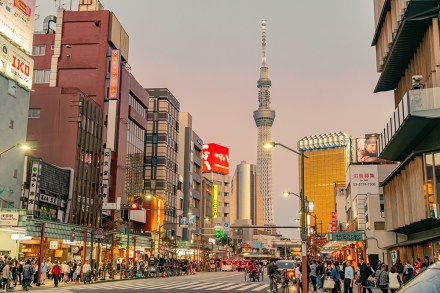
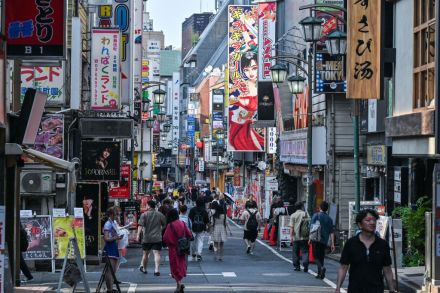
With my Customs Declaration Form in hand and Japanese customs handbook in my pocket, I touched down in Tokyo for the first time, from Mumbai. I was wearing flip flops in February, but feeling as ready as I ever would. “Don’t point your chopsticks.” “Never raise your voice.” “No talking on public transport.” “Try to arrive early.” “Take your garbage home with you.” “Meetings should not be canceled.” “Make sure you slurp your noodles.” “Jaywalking is punishable with up to three months in prison.” There was a lot to remember. I was determined not to follow the trodden path, to find spots nobody else had. Then I got off the train in central Tokyo.

Washington’s yes-men in Japan

It was nighttime in Davos, 8:31 on January 18 to be exact. Japanese journalist Ganaha Masako had been standing out in the cold for three hours near the entrance to a building which, she had heard, was being used as a venue for a World Economic Forum event that evening. Ganaha had picked up on some additional chatter. Klaus Schwab, the head of the WEF, was rumored to be inside. It was a long shot, but Ganaha wanted to ask Schwab some questions about globalism. And then, suddenly, Schwab appeared. Fleshy cheeks jiggling slightly as he shuffled along the snow-dusted sidewalk, he stepped cautiously out of the WEF event forum with a few handlers. Ganaha pointed her camera at Schwab and asked him for an interview. He ignored her and kept shuffling along.

Trouble for the US at the Woke-yo Olympics

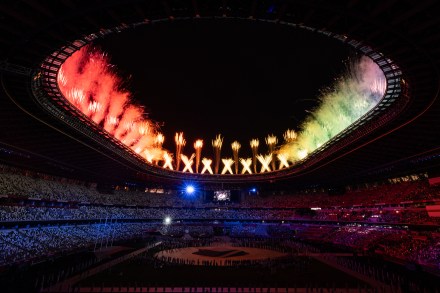
Can Trumpists still believe in ‘America First’ if they root against America in the Olympics? Yes, apparently. The US team had a rough start in the opening week of the Tokyo Olympics. For the first time in 50 years, not a single US athlete won a gold medal on day one of the Summer Games. So who was kicking our butts? That’s right, Asia. Eleven gold medals were handed out Saturday, with the first being won by Yang Qian from China for the 10-meter air rifle competition. She bested Mary Tucker, the American ranked second in the world, who ended up placing sixth. American Eli Dershwitz lost the bronze to Kim Jung-hwan of South Korea for saber despite also being No. 2 in the world.

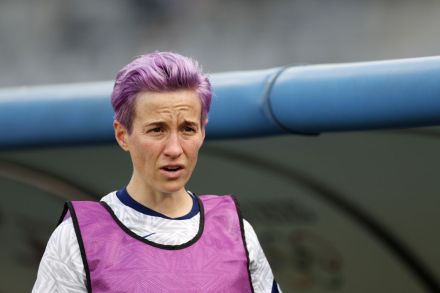
megan rapinoe olympics

The Olympics are canceled

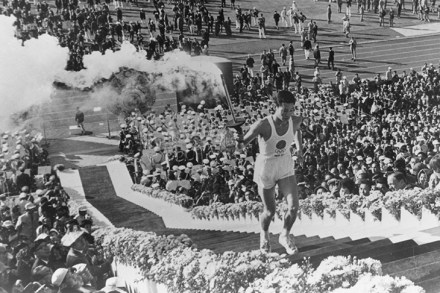
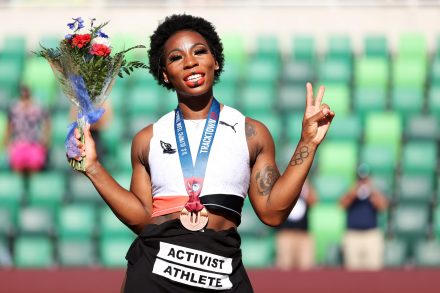
The Olympic Games in Tokyo are doomed. Before the opening ceremony, before even the torch is lit, it’s not going to be OK. The games, I’m afraid, just aren’t woke enough. Apologies to Tokyo and Japan — and #StopAsianHate and so on. But for the international left, sport no longer matters unless it can be used to win on Twitter and advance the War for Progress. Professional football can no longer be about the game. It must be a staging ground for raising awareness for racism and police brutality. Classrooms can no longer be about math and reading. They must be a nursery for implanting and implementing critical race theory. Now, the Olympics must be about anthems, swimming caps — and weed.

olympic

An unquiet life

Kikuko Tsumura is a multi-prizewinning Japanese author whose mischievously deceptive new novel takes us into what purports to be the office world of Tokyo. The routine at first seems familiar, but intriguing disparities emerge: the present is also a foreign country. There’s No Such Thing as an Easy Job gives us the minutiae of everyday working life — but not as we know it. Think Nicholson Baker’s Mezzanine, freed from lunchtime restrictions. A burnt-out young woman wants a job without responsibility — no stress, no demands. First up: a surveillance assignment observing a novelist suspected of receiving contraband goods.

tsumura

The haunting beauty of empty cities

COVID-19 has a horrid ability to turn fiction into fact. Deserted modern cities are usually the realm of post-apocalyptic sci-fi movies. Now, many of us live in them. The world's greatest streets are dramatically empty; suspended suddenly in a dream-like quiet. It's eerie and also very beautiful. We usually often don't notice how remarkable our cities are the commotion. We are distracted by the crowds, the commotion and the congestion. Now it is hard for urbanites to notice anything else. The Spectator has looked around the world, and asked various writers in various places to describe where they live in lockdown.

empty cities london

A brief history of selling bath water

Instagram model Belle Delphine made waves in the news this month after she decided to sell tubs of her own bath water for $30 a pop. The ‘product’ sold out in just three days, and led to a bountiful trove of online content, including my own review for Spectator USA. But Delphine isn’t the first person to sell bath water to her followers. Shoko Asahara, founder of the Japanese doomsday cult Aum Shinrikyo and the man behind the Tokyo subway sarin gas terrorist attack in 1995, which killed 12 people and injured over 1,000 more, also sold his own bath water to devotees who drank it during rituals.

belle delphine bath water