Thucydides Trap

The real ‘Thucydides Trap’ Beijing and Washington must avoid

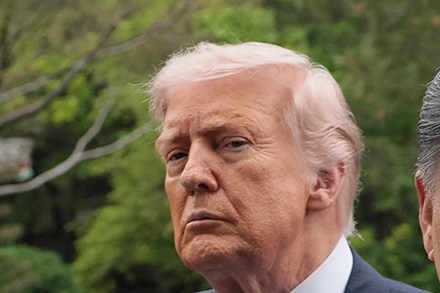
These are good times to be a scholar of the classical world. Last summer, Donald Trump issued an order that all federal architecture needed to be ‘beautiful’, noting that the Founding Fathers ‘wanted America’s public buildings to inspire the American people and encourage civic virtue’. George Washington and Thomas Jefferson had therefore ‘consciously modelled the most important buildings in Washington, D.C., on the classical architecture of ancient Athens and Rome’. It was time to go back to these principles, said Trump. From now on ‘classical architecture shall be the preferred and default architecture for Federal public buildings’ in the District of Columbia.
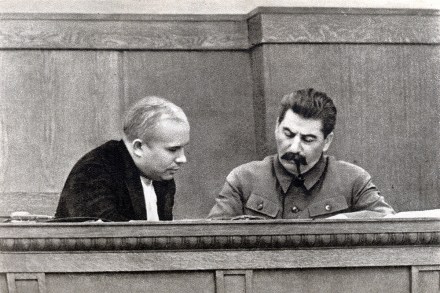
Who started the Cold War?

Over a few short months after the defeat of Nazism in May 1945, the ‘valiant Russians’ who had fought alongside Britain and America had ‘transformed from gallant allies into barbarians at the gates of western civilisation’. So begins Vladislav Zubok’s thorough and timely study of the history of the Cold War – or, as he nearly entitled the book, the first Cold War. For the themes that underpinned and drove that decades-long global conflict – fear, honour and interest, in Thucydides’s formulation – are now very contemporary questions. ‘The world has become perilous again,’ writes Zubok, a Soviet-born historian who has spent three decades in the West: Diplomacy ceases to work; treaties are broken. International institutions, courts and norms cannot prevent conflicts.