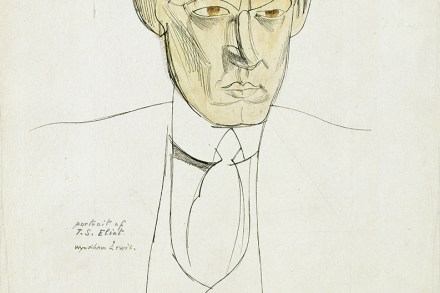
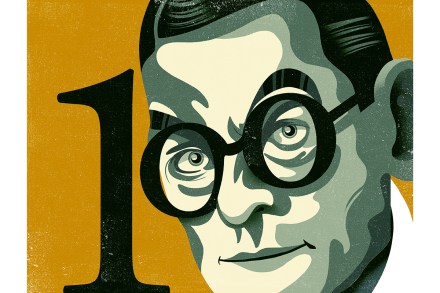
4,000 pages of T.S. Eliot’s literary criticism is not enough
This is Alice B. Toklas, ventriloquised by her partner, Gertrude Stein: I must say that only three times in my life have I met a genius and each time a bell within me rang and I was not mistaken, and I may say in each case it was before there was any general recognition of the quality of genius in them. The three geniuses of whom I speak are Gertrude Stein, Pablo Picasso and Alfred Whitehead [the mathematician]. Defiantly, flagrantly clairvoyant. Daring us to dispute the claim, the Big Lie flourishes. Size matters. Think George Steiner, Joseph Brodsky, Big Whoppers both, tirelessly fibbing. Towards the end of his life, in 1963, T.S.