The plague

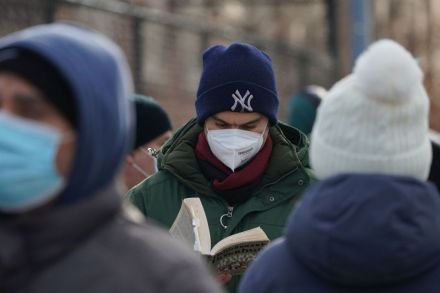
Reading during a pandemic

From our US edition

The experience of having Covid is, by now, well-documented. You spend seven to ten days in your room or house feeling ill and sorry for yourself. The world outside becomes a distant dream, and one of the few pleasures of spending twenty-four hours a day in bed is the time to read. This winter, the Omicron bell tolled for me — as it seemed to do for half of the global population. I was very lucky with the virus: after two days of unbelievable complaining and texting everyone I knew to tell them I was either like Beth in Little Women or a fevered Marianne in Sense and Sensibility, I recovered from my gothic heroine-like swoon and set about ploughing through novels. At the outset, there were endless articles and tweets about what one should read during a pandemic.
Where are the scents of yesterday? Entire countries have lost their distinctive smell

Smell is the oldest sense. We owe our existence to it. The moment you start to talk about smell, things explode in a shimmering, chaotic starburst of epistemological and ontological complication. It is involuntary; we have no noselids. Smell stays switched on in our sleep: to inspire is to smell. It has a bigger ratio of genes than any system in any species. Yet it remains almost unspoken of. The existence of smell — either as verb or noun — seems a guilty secret. Mr Justice Caulfield, in Jeffrey Archer’s 1987 libel action against the Star, would have caused no comment had he suggested that Mary Archer had ‘elegance’. But his gallantry led him over the brink. ‘Has she fragrance?’, he asked. The rest of his words were unheeded.