The Peasants’ Revolt

The Great Uprising: Doom Painting, by A.K. Blakemore, reviewed

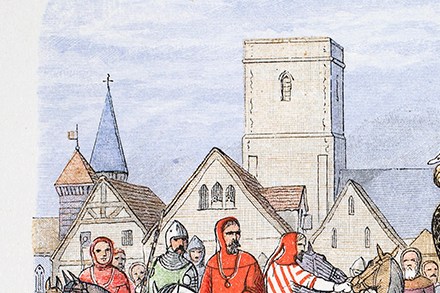
We can never know whether a historical novelist really gets it right, but there are clear missteps. One is ascribing anachronistic progressive attitudes – feminism or gay rights – to eras when they would have been unthinkable. Another is ignoring the vast impact of religion not just in everyday life but in the very psyche of historical figures. It’s not a mistake made by A.K. Blakemore in her weighty account of the torrid fortnight of the 1381 poll tax riots, also known (misleadingly) as the Peasants’ Revolt. The festivities of the church play a significant part in the rioters’ planning, with a culminating march on London at Corpus Christi, traditionally a day off work with exploitable drunkenness.
Ordinary women make just as thrilling history as great men

In 1348, the year the Black Death reached England and devastated the country, Matilda, the wife of Robert Comberworth, attacked someone called Magota and drew blood. She was fined 3d. Agnes, the wife of William Walker, attacked William de Pudsey and was fined four times the amount. Amica, an official watch-woman tasked with guarding a fruit crop, caught a certain Cecilia stealing. These women are among the many who star in Philippa Gregory’s latest book. Post-Conquest England is well-trodden ground, but Gregory’s history is not one of great men. It is of normal women – the women of legal battles, petitions, wills and letters. Her characters farm, pray, heal the sick, revolt and go to war. They are mothers, political agents, activists and victims.