The environment

The wonder of nature’s ability to heal itself

A decade ago, I planted 12 acres of trees in a field that had proved unsuitable for productive grazing. The trees themselves are doing well but the most remarkable change has been the increase in birds, invertebrates and flora. Each year brings new species, new levels of abundance. It has been very satisfying and strangely quick. We’re encouraged to think that the planet’s natural processes work if not always at a geological pace, at least not in the instant reward timeframe that characterises our own brief lives. In Nature’s Echo, the leading ecologist Thomas Crowther takes this capacity for nature’s rapid recovery as one reason why we should temper pessimism about environmental catastrophe.
The case against a ‘climate emergency’

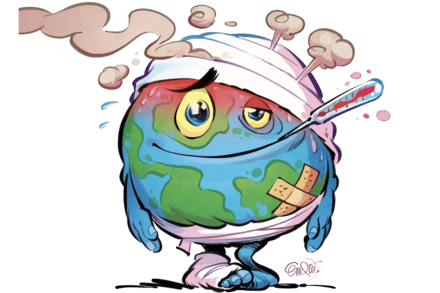
January is the ideal month for gaining a sense of perspective. I’m increasingly convinced that the ‘climate emergency’ is another social mania we’ll look back on with: ‘J-eez, what was that about?’ Why? The paradigm displays the classic anthropocentrism of our era. As organised religion declines, we replace God with humanity. Arrogating to our species the power to dial global temperature up or down is typically arrogant (see: pride, goeth, fall). Claiming that something is all your fault is as vain as claiming it’s to your credit. Regarding ‘the planet’ as a frightened fluff ball that requires our protection is the ultimate hubris. ‘The planet’ can squash us like bugs. Or with bugs, which sounds especially gross.

The scandal of rubbish disposal worldwide

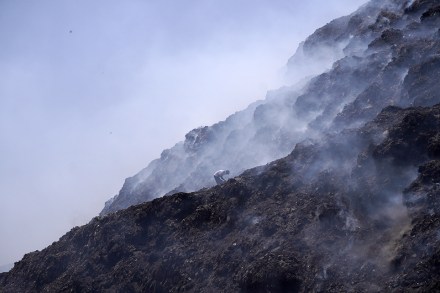
Above a foul towering dump in Delhi a cloud of vultures and Siberian black kites fly in hope, ‘careening over the mountainside like some dreadful murmuration’. Here some of the world’s million waste pickers stash water bottles along their route, ‘like climbers making camp’. Oliver Franklin-Wallis concedes that his subject – the dirty truth of what happens to our rubbish – is not appealing. Much of the unusable, stained tat charity shops receive is sent abroad, whether it’s wanted or not But he does his best to make that untrue with arresting analogies and metaphors that shine like metal in trash in his account of his extensive travels through what the world discards and disdains.

Margaret Atwood seems embarrassed by the sheer volume of her output

Margaret Atwood is among the major writers of English fiction of our time. This is a very boring way to start a review, but it is true. Atwood, now 82, is prize-winning, popular and prolific. She’s won two Bookers. Several of her books have attained totemic status with readers, most obviously the reproductive dystopia of The Handmaid’s Tale, but also Cat’s Eye, for its steely portrayal of girlhood cruelty, and The Blind Assassin, which combines feminist grit with genre-straddling swagger. And there are so many books.