The dunciad

In the dazzling company of Alexander Pope and friends

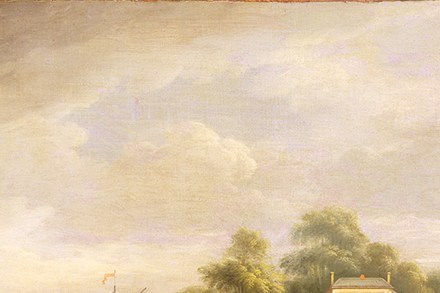
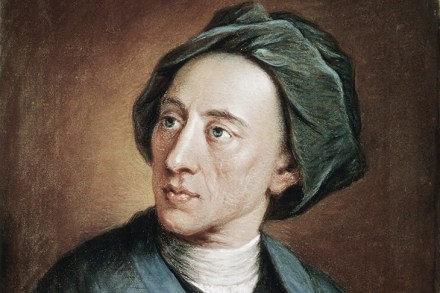
In the summer of 1726, the writers Jonathan Swift and John Gay spent several weeks at the home of their friend Alexander Pope on the banks of the Thames at Twickenham (then known as ‘Twitnam’), not resting but toiling away at their various literary activities and mutually inspiring each other. On the surface they were an unlikely trio: Swift was almost 20 years older than either Pope or Gay; Pope was Catholic (at a time when Catholicism was still treated with suspicion) and financially independent, while Swift was an Anglican cleric, the Dean of St Patrick’s Cathedral in Dublin. Gay, in contrast, was a jobbing writer, dependent for financial security on his amiable sociability and maintenance of good relations with a long list of wealthy patrons.
A mighty contest from trivial things — the quarrel between Alexander Pope and Edmund Curll

Rapid technological advance, a dark underworld of uncensored publishing, a threatened rupture with Scotland, even fears of a new outbreak of plague. Close scrutiny of the first few decades of the 18th century reveals some startling (and oddly reassuring) parallels with our own trying times. In his new book, Pat Rogers, an expert on the writings of Alexander Pope and much else, resurrects what you might think was an obscure battle over copyright between Pope and the Grub Street bookseller and printer Edmund Curll. Their quarrel, though, becomes a prism through which Rogers captures the upheavals, hubbub and stench but, above all, the wit of that period, when words could have the explosive impact of hand grenades.